
How Roman Buildings Became Underground
Many structures explored below modern Rome were not originally subterranean. They became archaeological levels through centuries of rebuilding, infill, abandonment, reuse and changes in the elevation of the city around them.
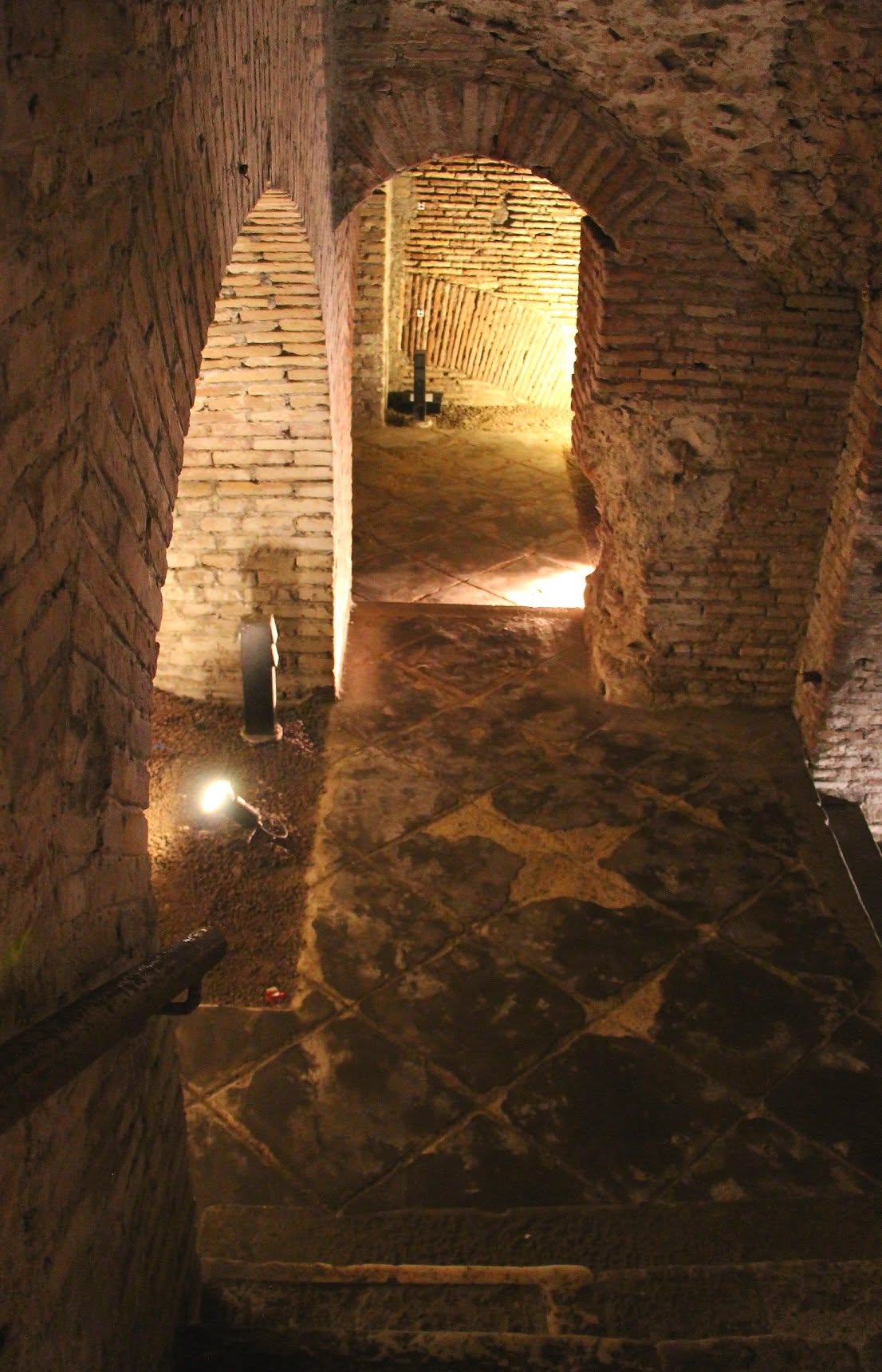 San Paolo alla Regola · Rome
A building can stay still while the city moves around it.
Entering an archaeological room several metres below a modern street can create a misleading impression: that the room was built underground. Many spaces now below street level were left lower as Rome’s streets rose through infill, rebuilding and reuse. Explore these layers at San Clemente and San Crisogono.
Sometimes it was. Rome contains crypts, cisterns, hypogea, subterranean service spaces and funerary chambers that were intentionally constructed below ground. But many other archaeological interiors occupied ordinary urban elevations when they were built.
Their present position is the result of what happened after their construction. Floors were covered. Rooms were filled. Upper structures disappeared. New walls used older ones as foundations. Streets changed elevation and later buildings established new surfaces above earlier architecture.
The result is not a second city created underground. It is a vertical record of a city repeatedly modifying the same physical space.
There was no single process of burial.
Different archaeological sites reached their present relationship with street level in different ways. Several processes can also occur at the same site at different moments in its history.
Intentional Infill
Rooms or entire levels could be deliberately filled when a structure was reinforced, reorganised or prepared to support later construction.
Collapse
Roofs, upper floors and walls could collapse into abandoned interiors, contributing material to later archaeological deposits.
Accumulation
Deposits can build up over time through repeated occupation, abandonment, levelling and environmental processes.
Resurfacing
Streets and open spaces can be repaired or reconstructed at different elevations, progressively changing their relationship with earlier architecture.
Reuse
Ancient walls often survived because later builders incorporated them into new structures instead of removing them completely.
Building Above
New architecture could establish another occupied level over older rooms, transforming earlier structures into foundations or lower levels.
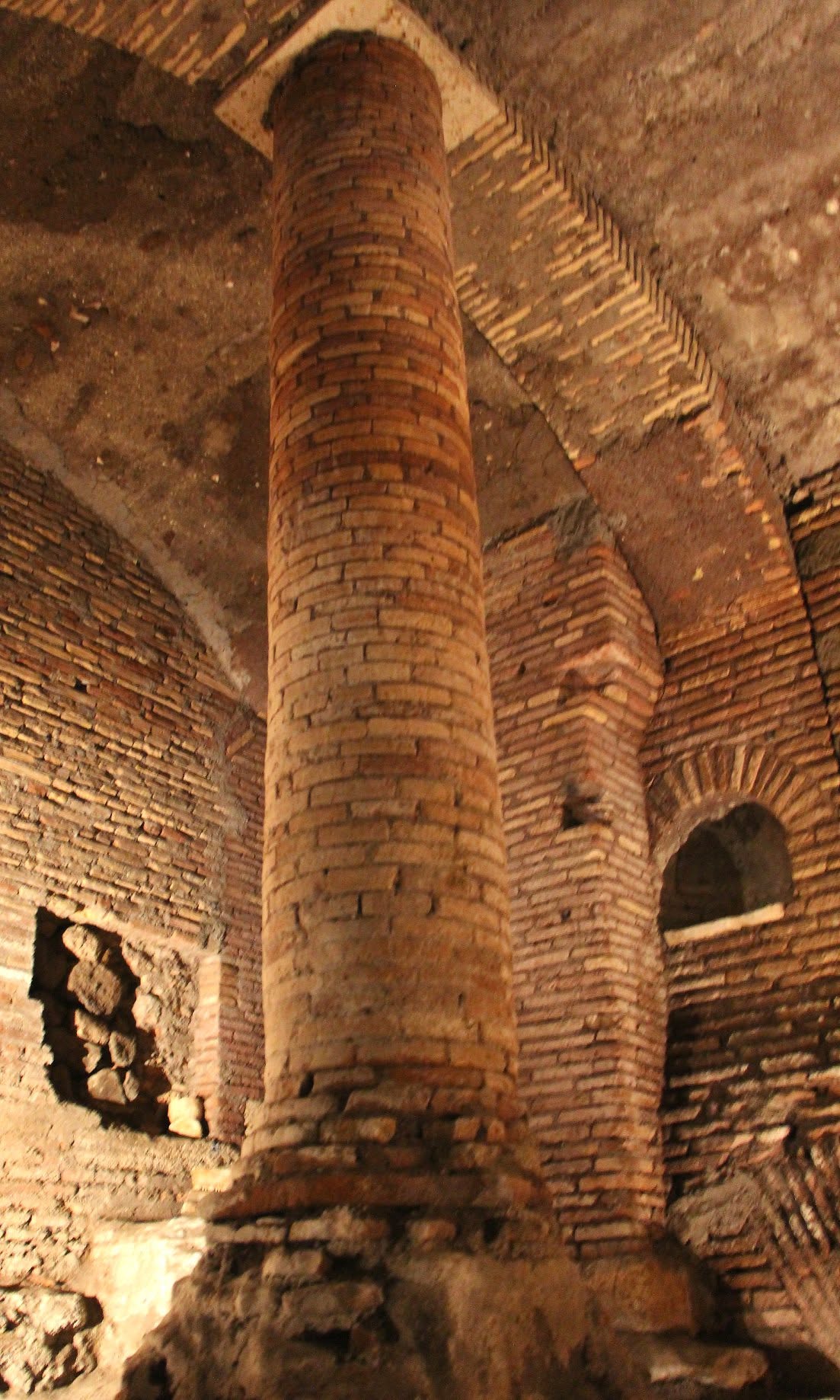 Case Study · San Paolo alla Regola
Four Roman floors. Two now below the street.
San Paolo alla Regola provides an unusually clear demonstration of how the relationship between a building and ground level can change.
The ancient structures survive through four storeys. Two are now below the modern street, while two higher levels became incorporated into the later Palazzo Specchi.
The sequence was not produced by a single catastrophe. Warehouses constructed in the Flavian period were transformed during the Imperial period. Following a major fire, the lowest level was deliberately filled during Constantinian restructuring and the masonry was reinforced.
Later abandonment, structural collapse and alluvial deposits contributed to the changing ground level. Medieval construction subsequently reused and built upon the ancient fabric.
From occupied room to archaeological level.
The transformation can be understood as a sequence rather than as a simple movement from “surface” to “underground”.
Construction
A room, street, courtyard or building is created at a level appropriate to the city of its own period.
Transformation
Its function changes. Walls are altered, floors replaced, openings blocked or new spaces added.
Partial Abandonment
Some areas cease to function while other parts of the structure may continue to be occupied or reused.
Filling & Levelling
Material accumulates naturally or is deliberately introduced to stabilise, reorganise or level the site.
New Construction
Later architecture establishes another occupied surface, often incorporating parts of the earlier building.
Rediscovery
Excavation exposes a former urban level that now appears subterranean when measured from the contemporary city.
The same city. Different transformations.
Archaeological levels across Rome do not tell one identical story. Their value lies precisely in the differences between them.
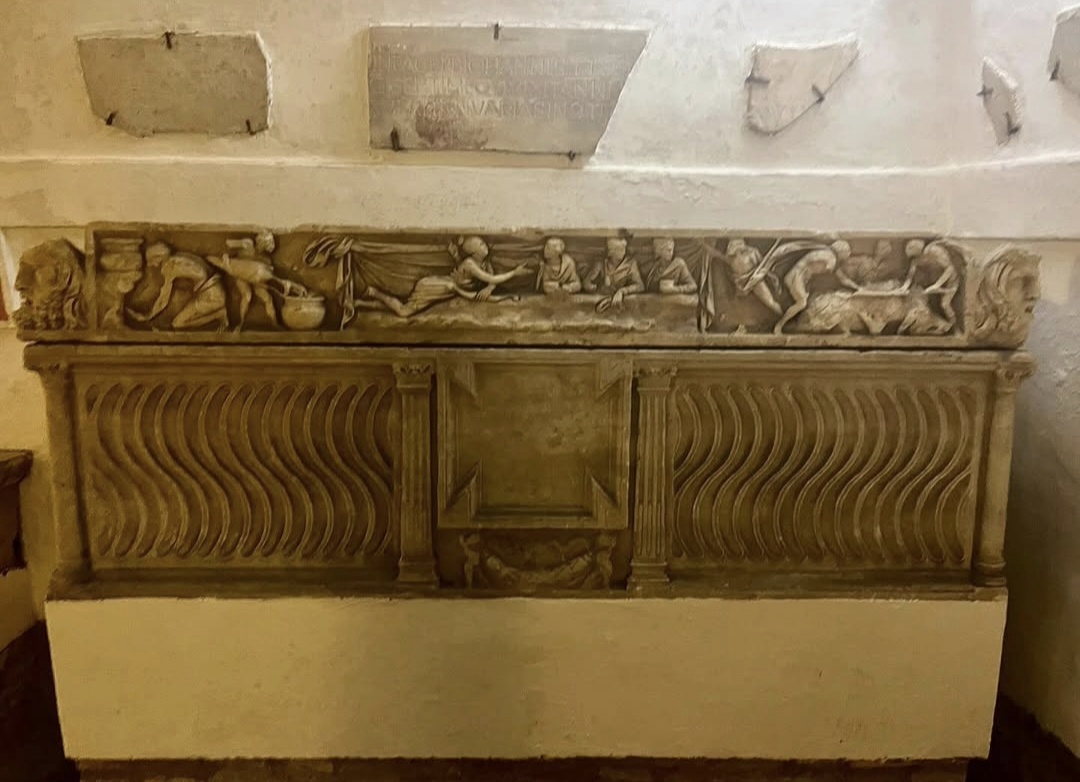
Santa Cecilia in Trastevere
Roman residential and bathing spaces survive within a site subsequently transformed by centuries of Christian construction. Earlier architecture became part of the physical sequence of the later complex.
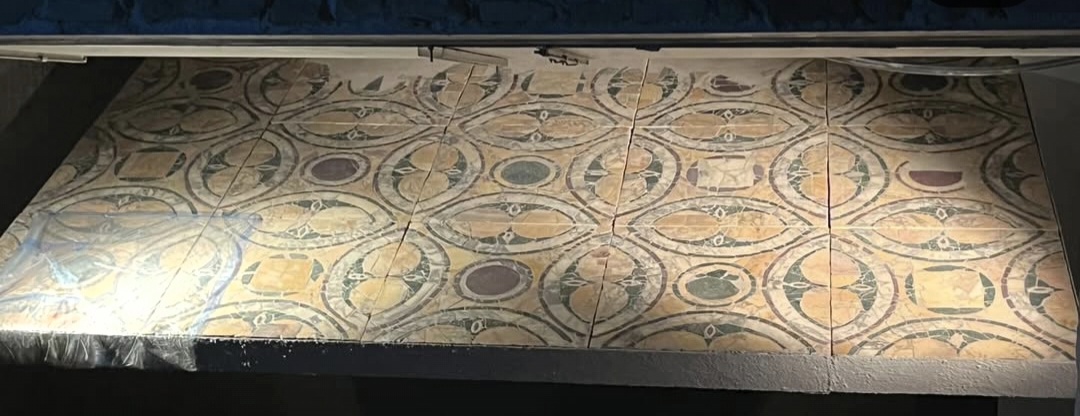
Roman Domus of Palazzo Valentini
High-status Roman residential spaces now occupy archaeological levels within the fabric of the modern city, preserving floors, walls and evidence of successive architectural phases.
Subterranean now does not mean subterranean then.
This distinction changes the way archaeological spaces should be read.
A cistern or hypogeum may have been conceived below ground from the beginning. A Roman dining room, warehouse, street or courtyard may instead be underground today because the physical city around it changed.
The depth at which a structure survives therefore describes its relationship with modern Rome. It does not, by itself, describe its original function or original relationship with the ancient surface.
Read the process. Then examine the places.
The Places atlas documents individual archaeological sites where changing ground levels, reuse and later construction can be observed directly.
Follow the changing ground level across Rome.
A private archaeological journey can connect sites that preserve different stages of Rome's physical transformation — from Roman rooms incorporated into later buildings to former street levels now reached by descending below the contemporary city.
The itinerary is developed around your dates, interests and the access genuinely available during your stay.