Underground Rome
A specialist project dedicated to the archaeological world below Rome: ancient structures, changing ground levels, subsurface spaces and the physical development of the city.
Explore the archaeological atlas, read the research or begin a private journey shaped around the places that can genuinely be accessed during your stay.
A city shaped by accumulation.
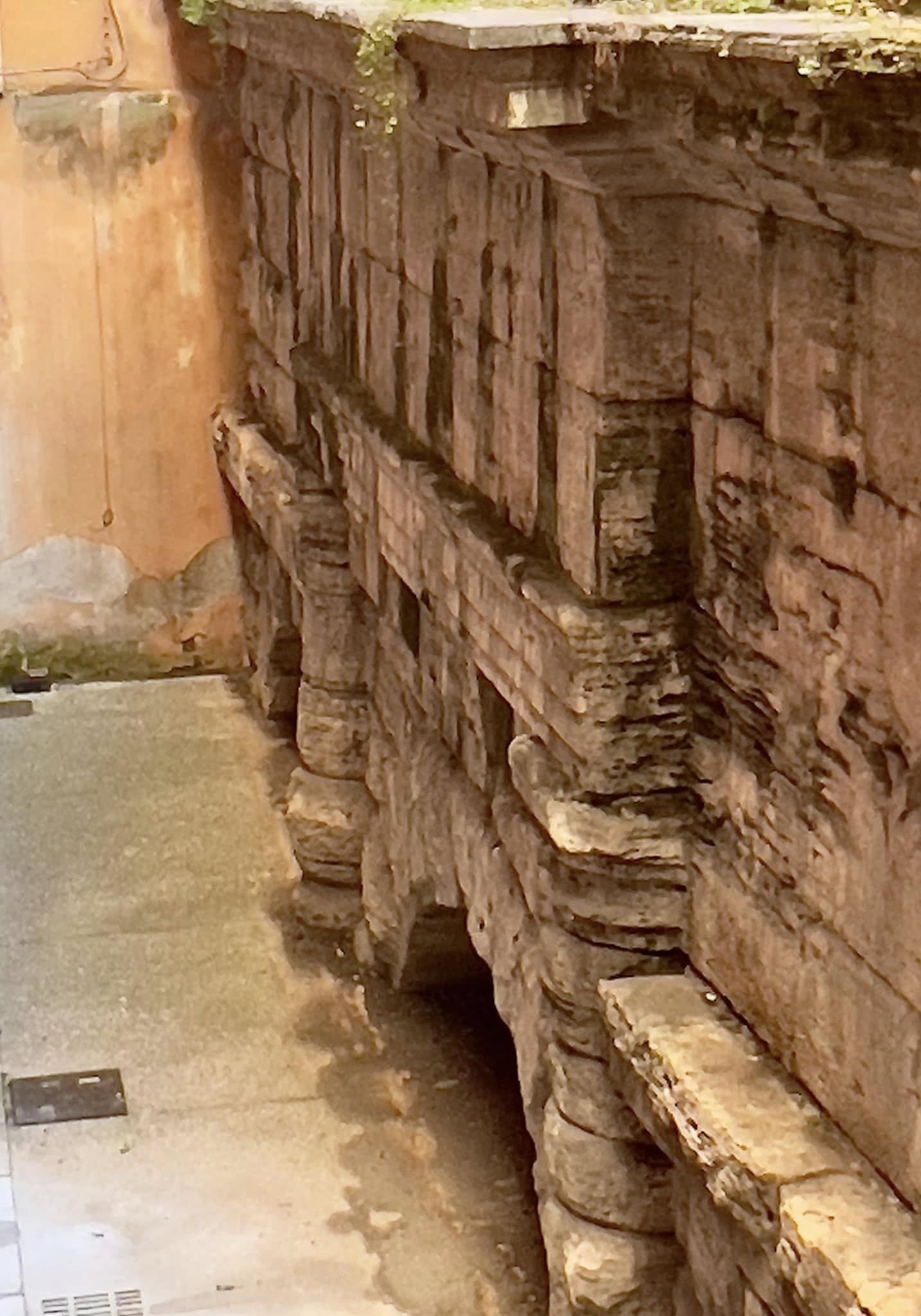
Rome did not develop on a single, fixed ground level. Construction, demolition, resurfacing, deposits, reuse and centuries of urban change altered the physical relationship between one period of the city and the next.
Earlier streets, houses, sanctuaries, burial spaces, hydraulic structures and public buildings can now survive at very different elevations within the contemporary city.
Underground Rome documents those archaeological places and uses that knowledge to design specialist private journeys through the physical history of Rome.
Start with a place. Or start with a question.
Our private journeys are built around archaeological interests rather than a fixed catalogue of routes.
Tell us what you want to understand, the places that interest you or simply how far into Rome's archaeological history you want to go. We build the itinerary around your date, available access and the relationships between sites.
 Private · Specialist-led · Rome
Explore Rome by evidence.
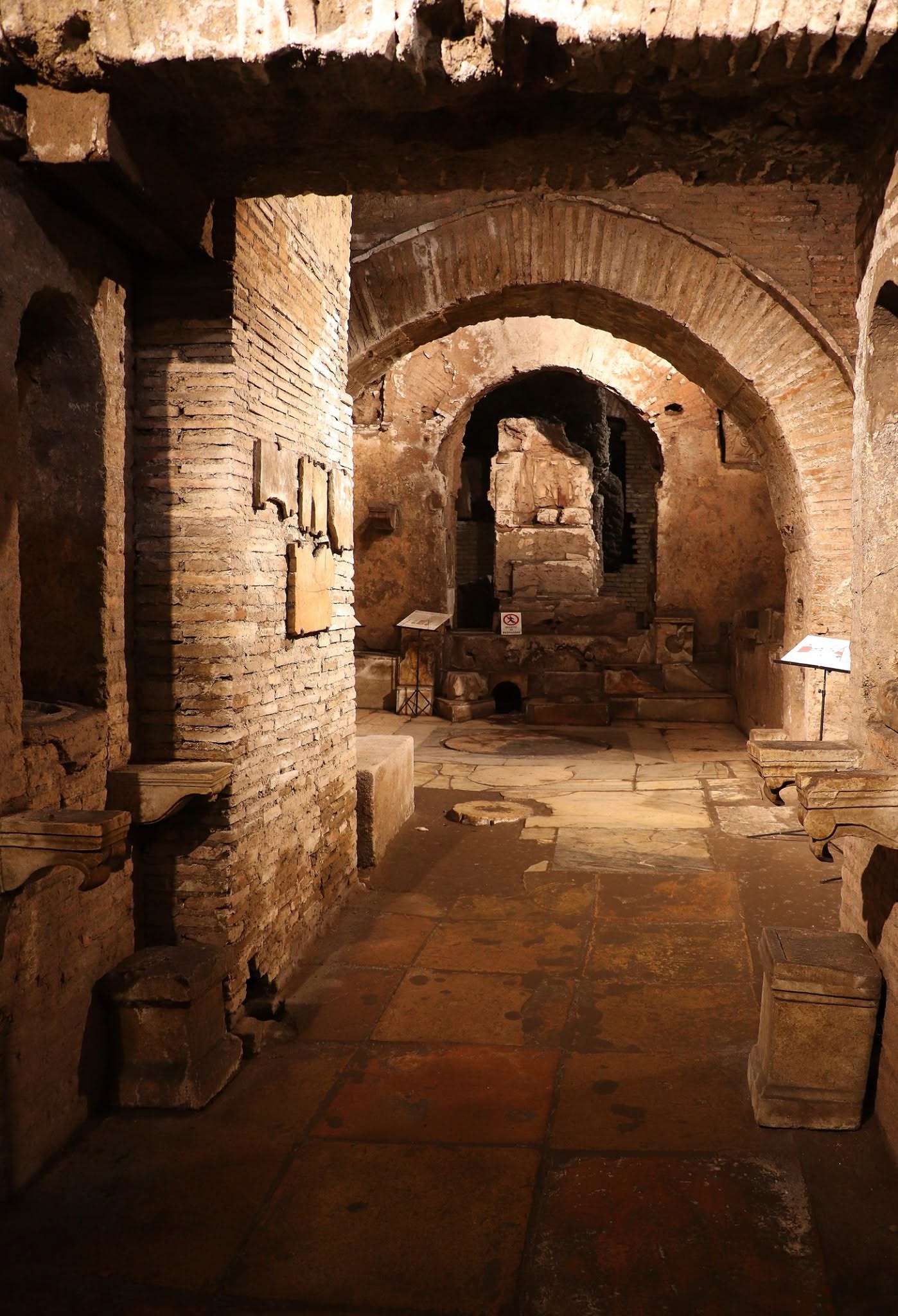
Places is our growing atlas of archaeological sites across Rome: from Roman domestic spaces and sanctuaries to burial grounds, infrastructure and structures now incorporated into the modern city.
 Places · Archaeological Atlas
One place at a time.
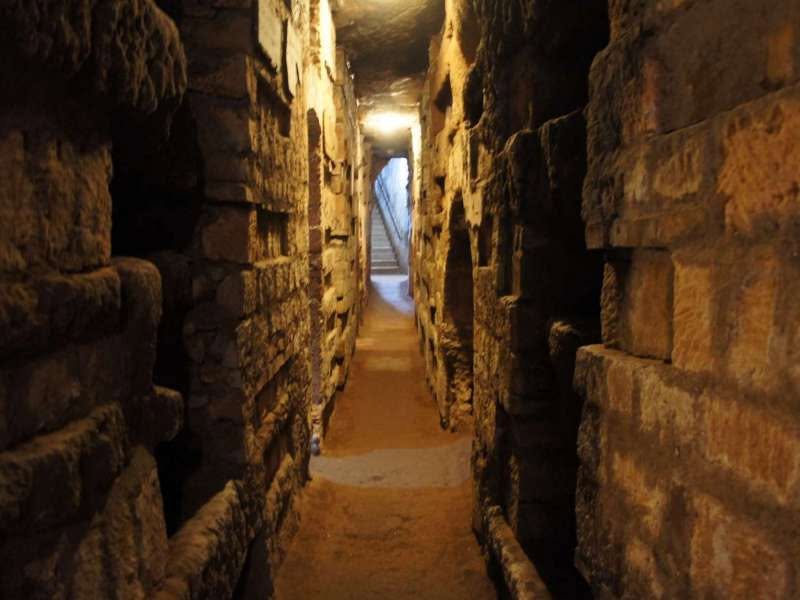
Each Places page focuses on an individual archaeological site: what survives, how it relates to the development of Rome and what is known about access.
The atlas includes major archaeological complexes alongside smaller sites embedded within churches, palaces, commercial buildings and the contemporary urban fabric.
From individual sites to the whole city.
Field Notes examines the processes that connect archaeological places across Rome: changing ground levels, urban stratigraphy, architectural reuse, hydraulic engineering, funerary geography and the relationship between archaeology and the contemporary city.
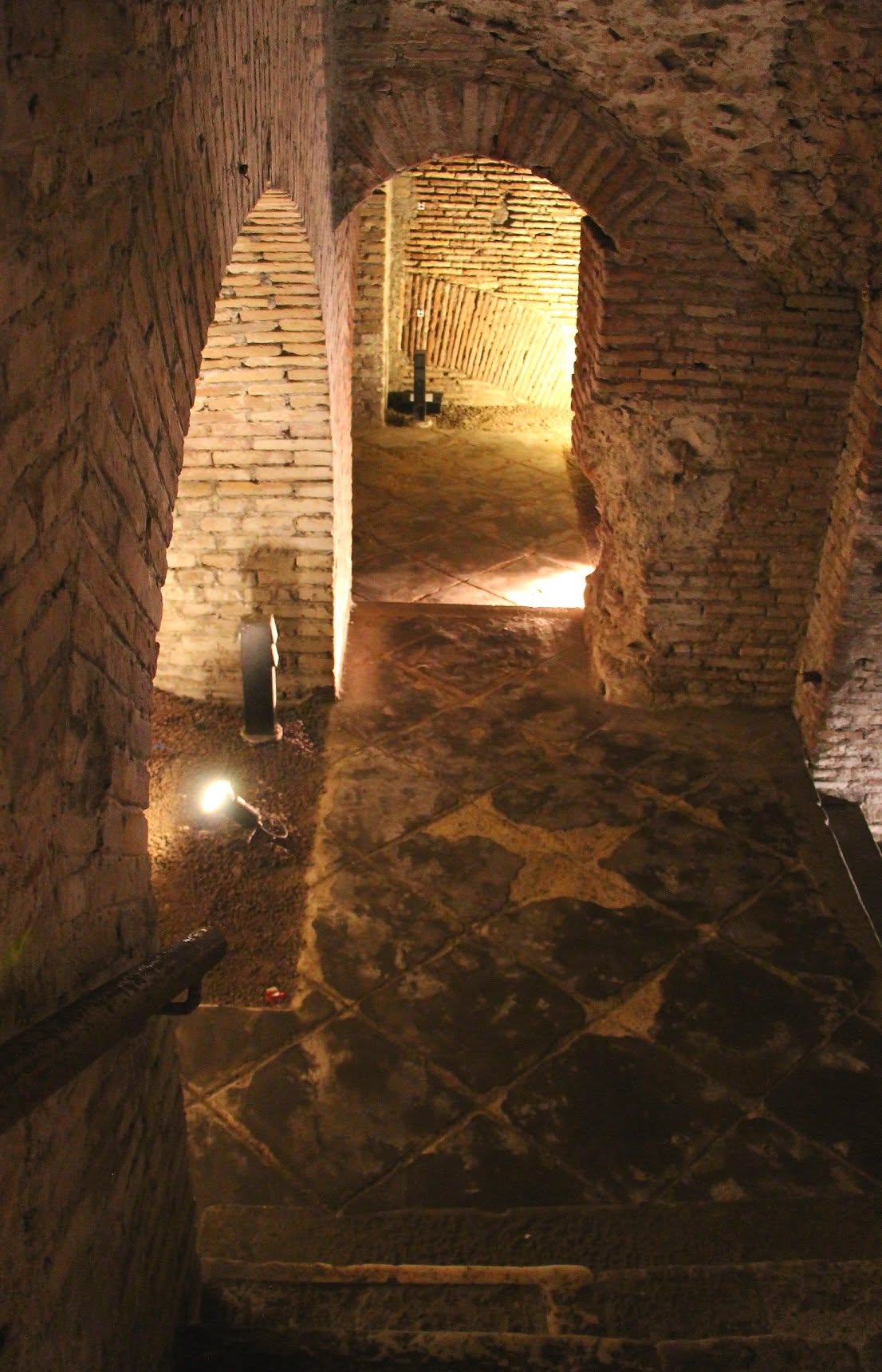
Why Is Ancient Rome Underground?
How rebuilding, deposits, resurfacing and reuse changed the relationship between ancient structures and the present city.
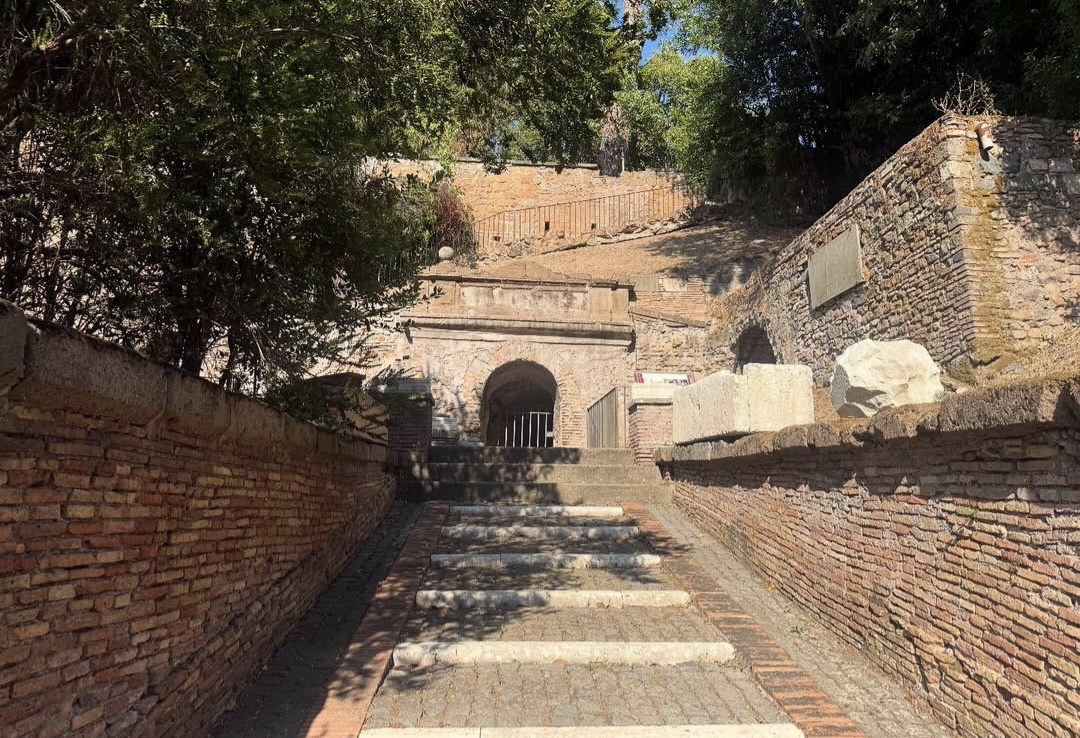
Burial Along the Roads of Ancient Rome
How roads outside the ancient city became landscapes of burial, memory and monumental display.
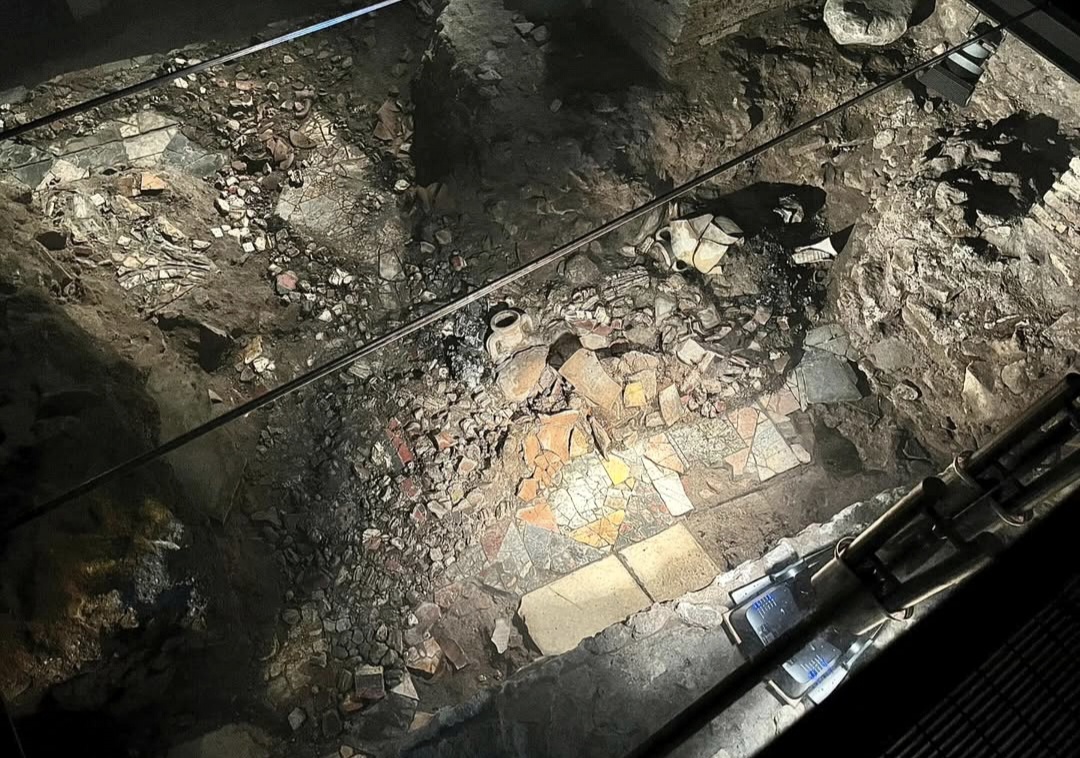
Archaeology Inside Modern Buildings
Ancient structures can survive inside buildings that still form part of the functioning modern city.
Place. Question. Journey.
Underground Rome connects archaeological documentation, interpretation and private exploration without turning every archaeological site into a commercial product.
Start with a site.
Explore individual archaeological places, their physical context and access status.
Start with a question.
Understand the processes that connect evidence across different parts of Rome.
Explore in person.
Use a place, period or archaeological question as the starting point for a private itinerary. Selected private journeys start at €800 per group. We reply within 24–48 hours with a tailored proposal and a clear quote. Access and availability are checked for your dates.
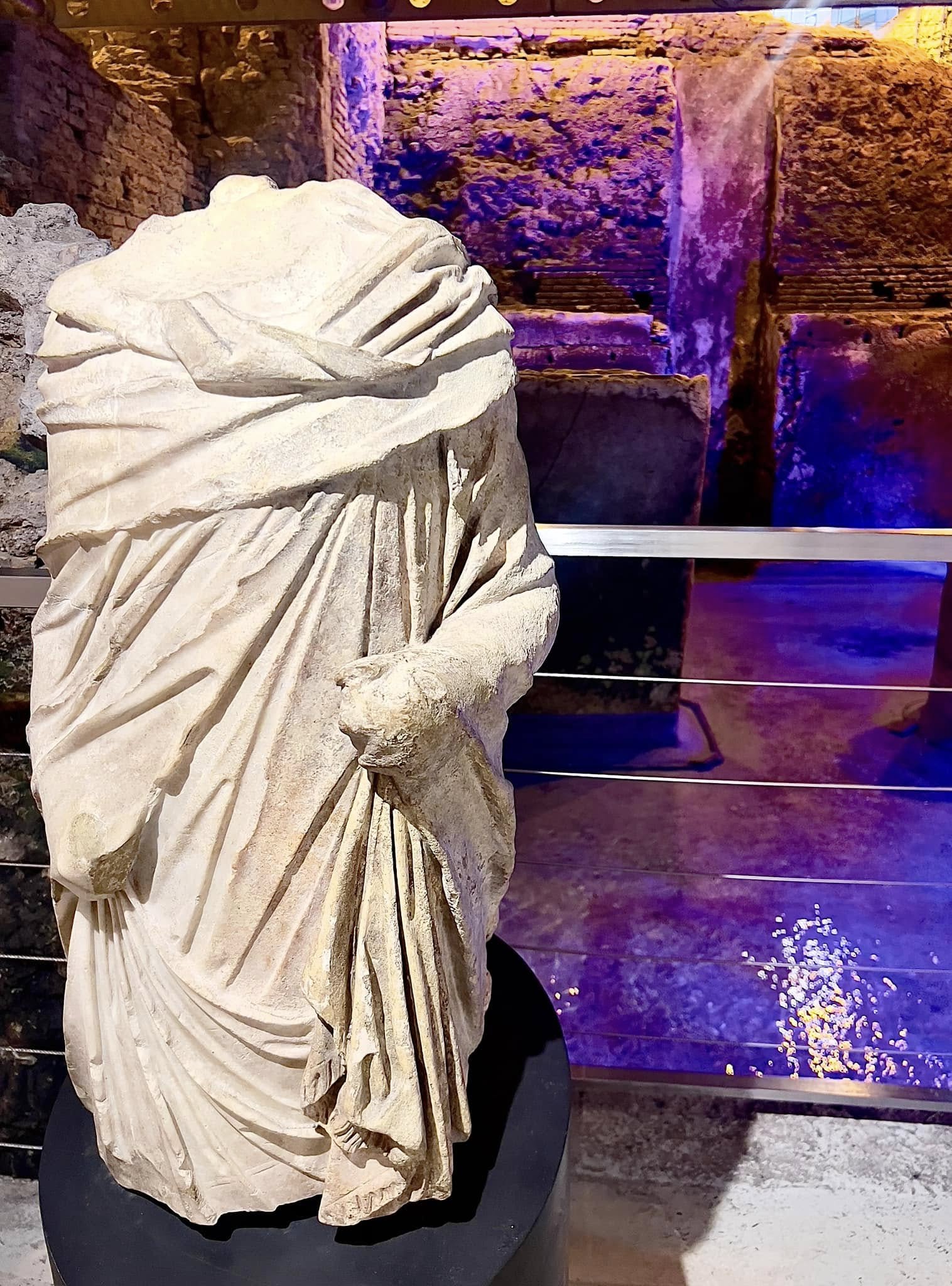
Your interests become the starting point.
You may already know the archaeological places you want to see. You may be interested in Roman religion, domestic life, engineering, funerary archaeology or the physical development of the city.
Or you can leave the route open. Tell us your dates, party size and interests. We will research what can genuinely be accessed and build a coherent private journey around it.
Read the city from the surface down.
Explore individual archaeological places, follow the questions that connect them, or use them as the starting point for your own private journey through Rome.