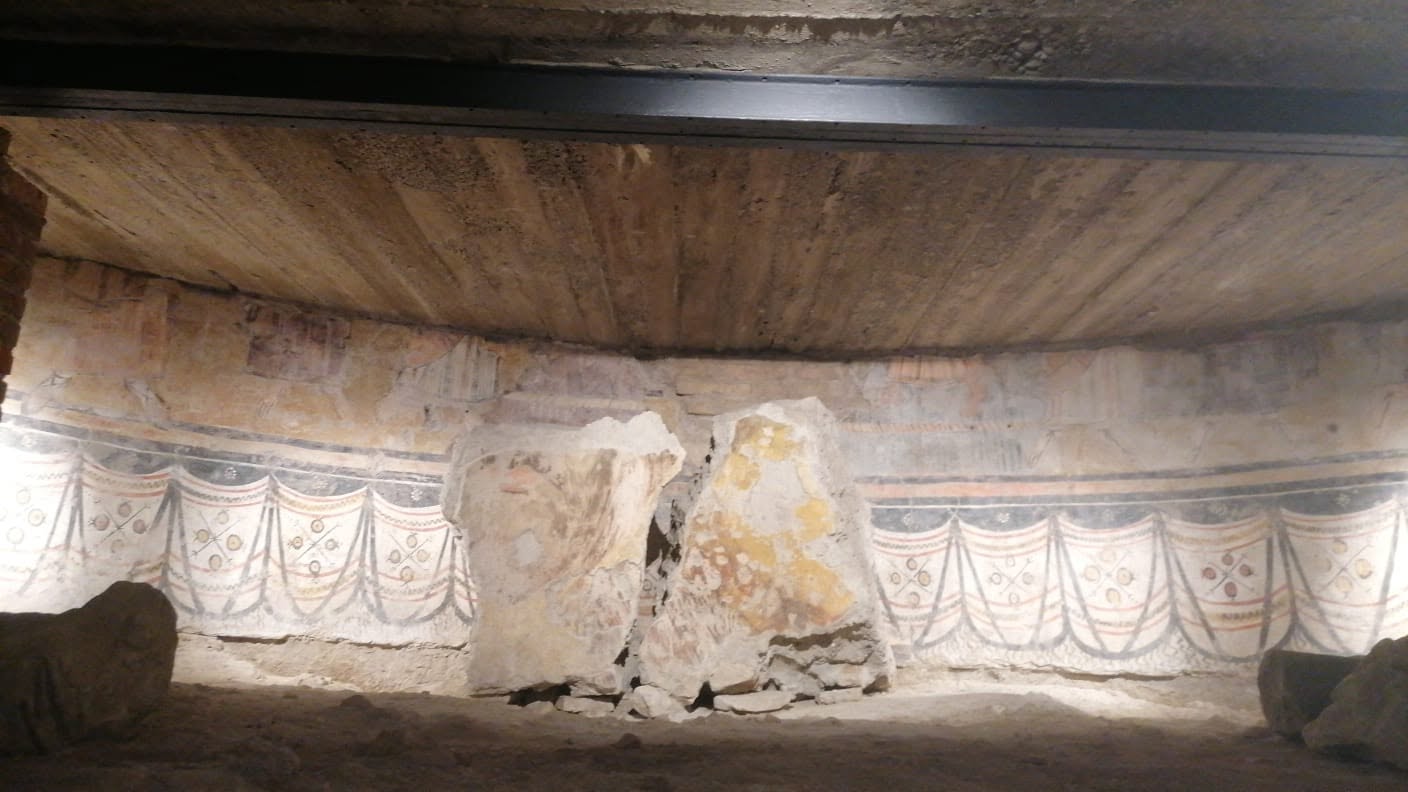
Reading the Physical City
Archaeology begins
with relationships.
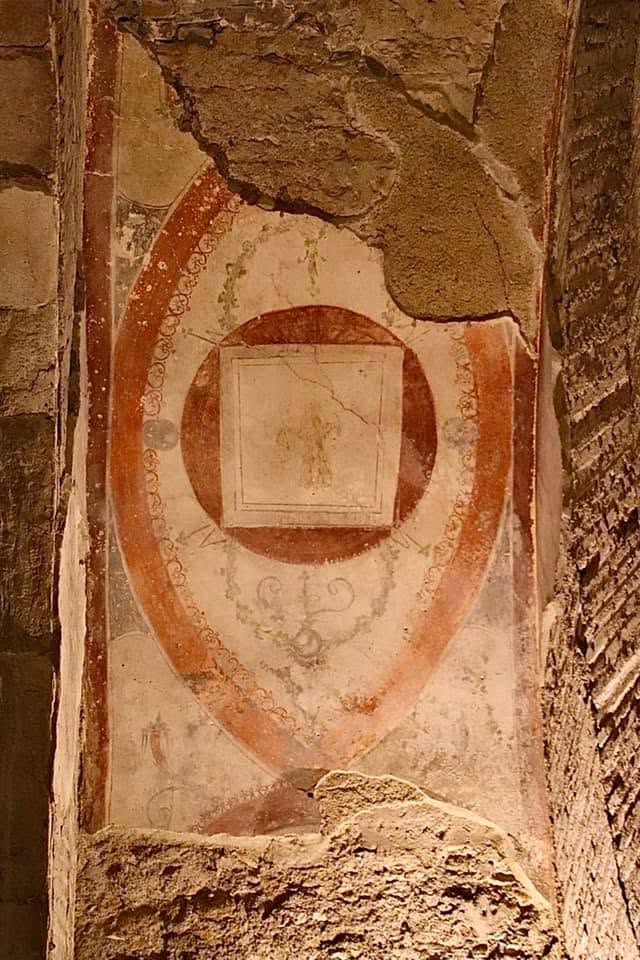
Rome has repeatedly altered its own physical environment.
Buildings were constructed and dismantled.
Streets were resurfaced.
Valleys accumulated deposits.
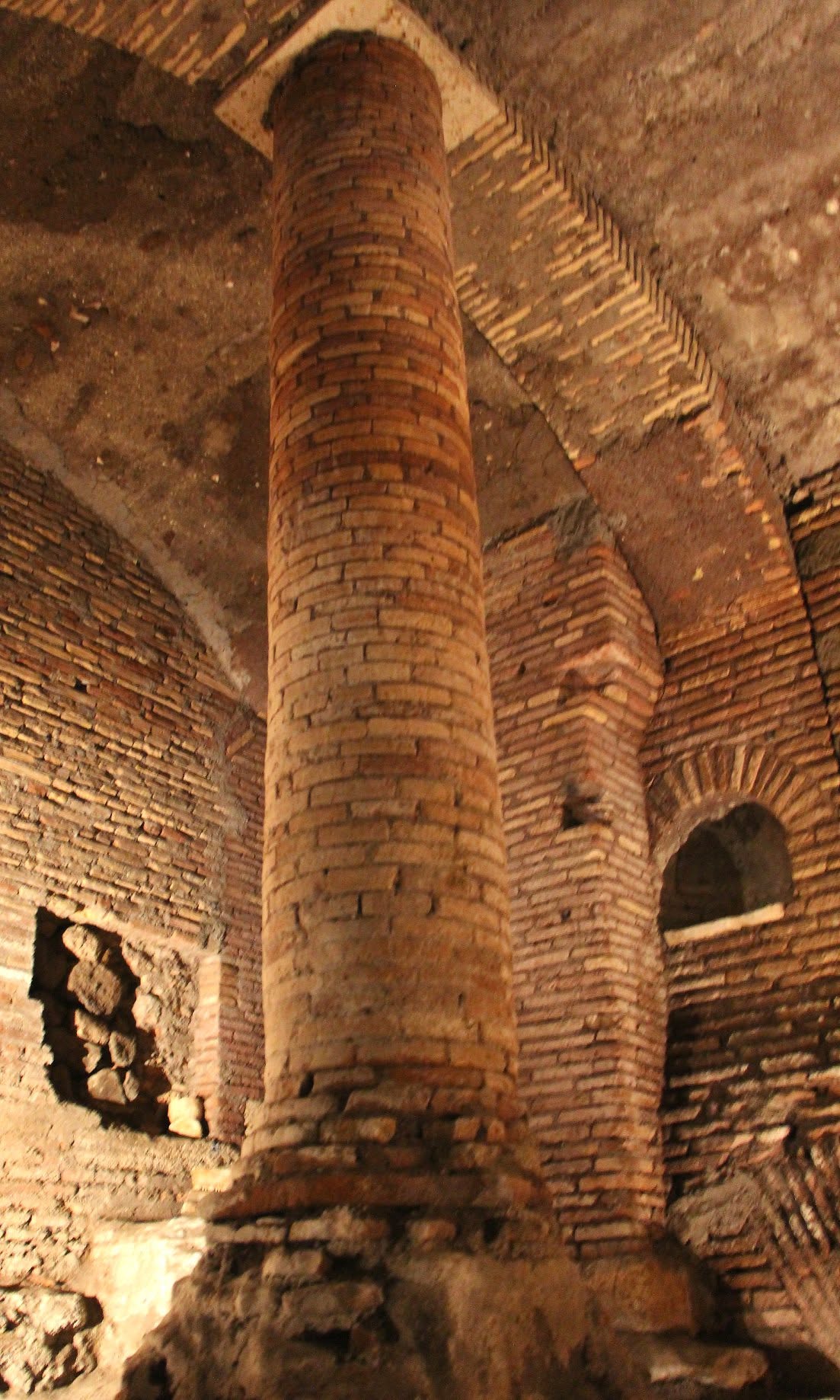
Earlier structures were incorporated into later architecture,
while other spaces were filled, abandoned or reused.
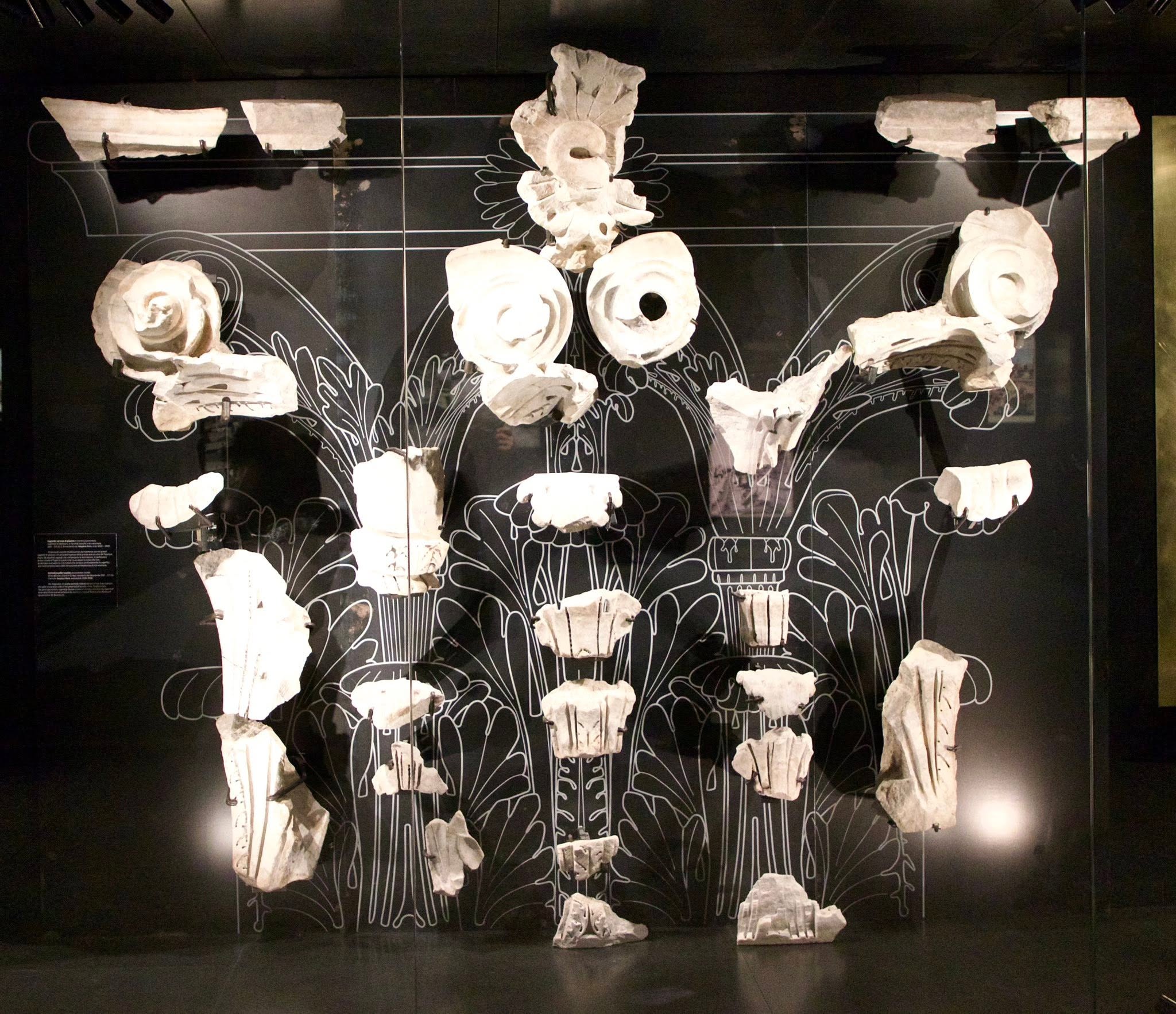
Field Notes examines those processes rather than individual
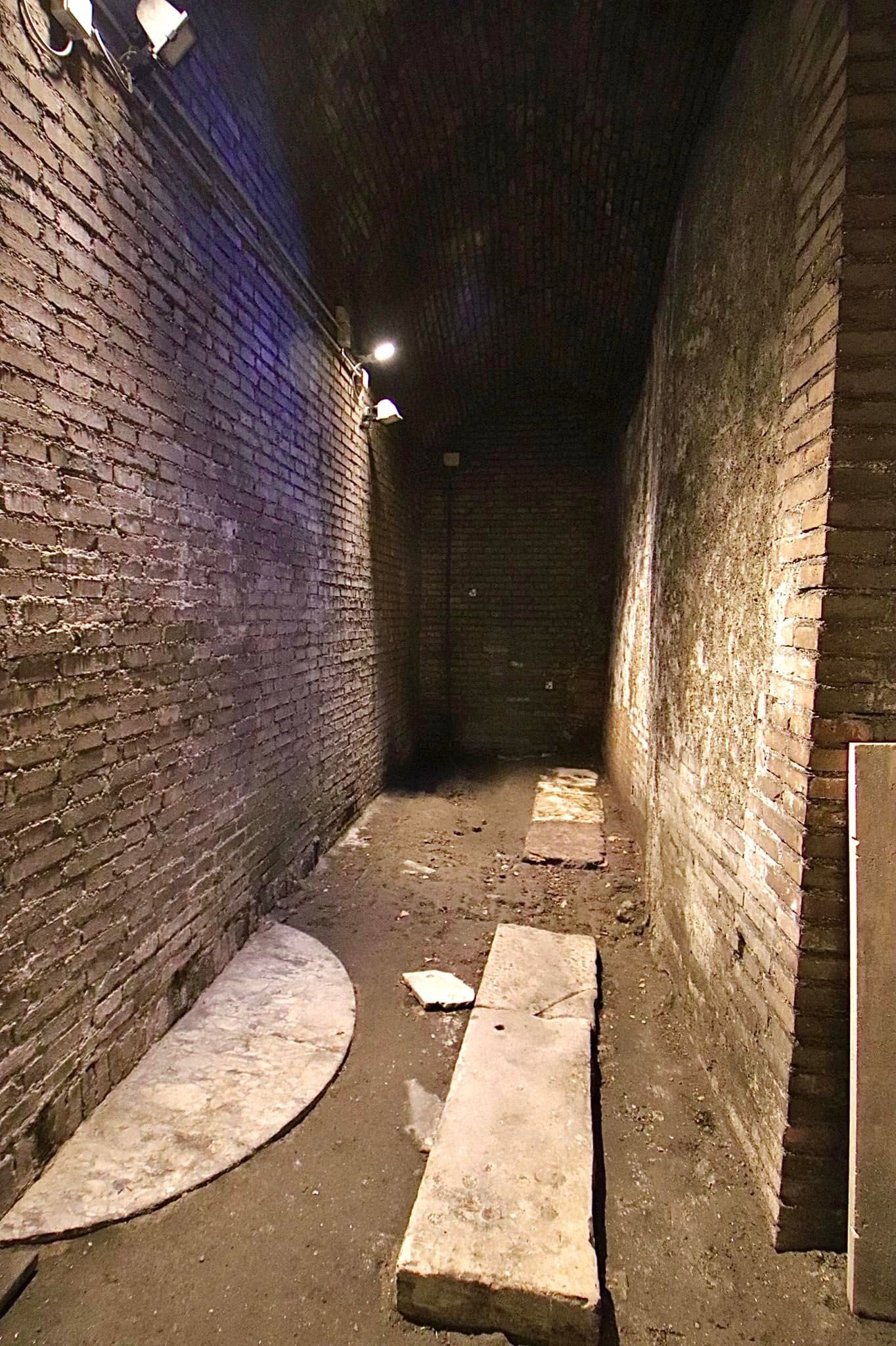
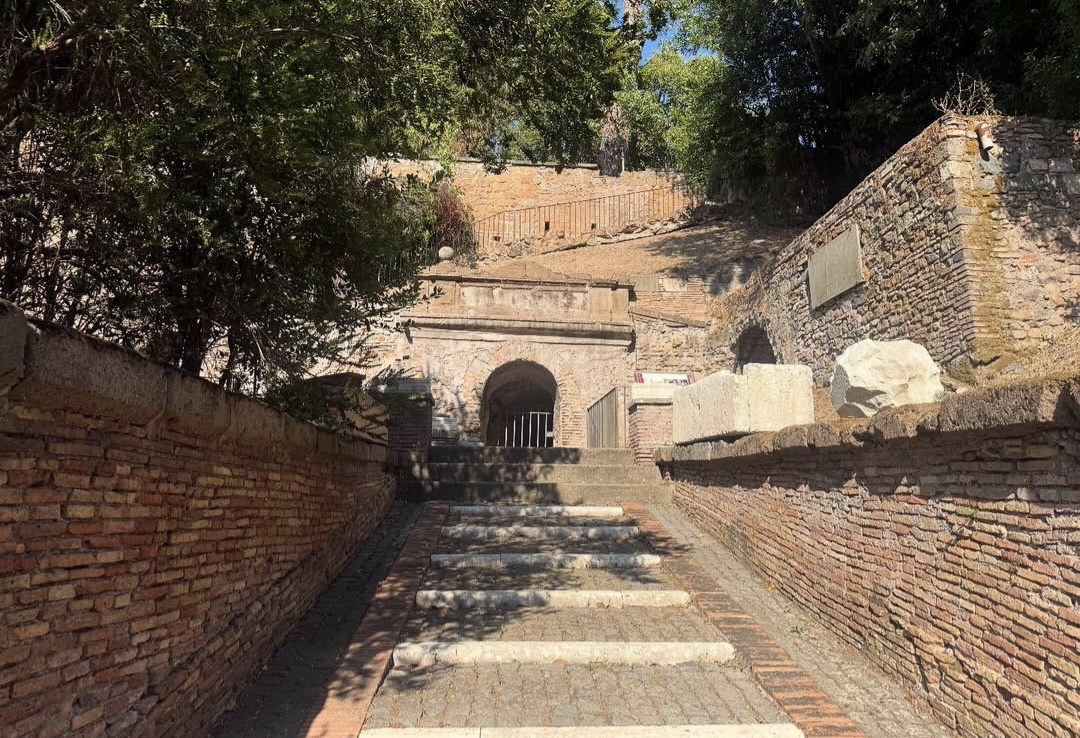
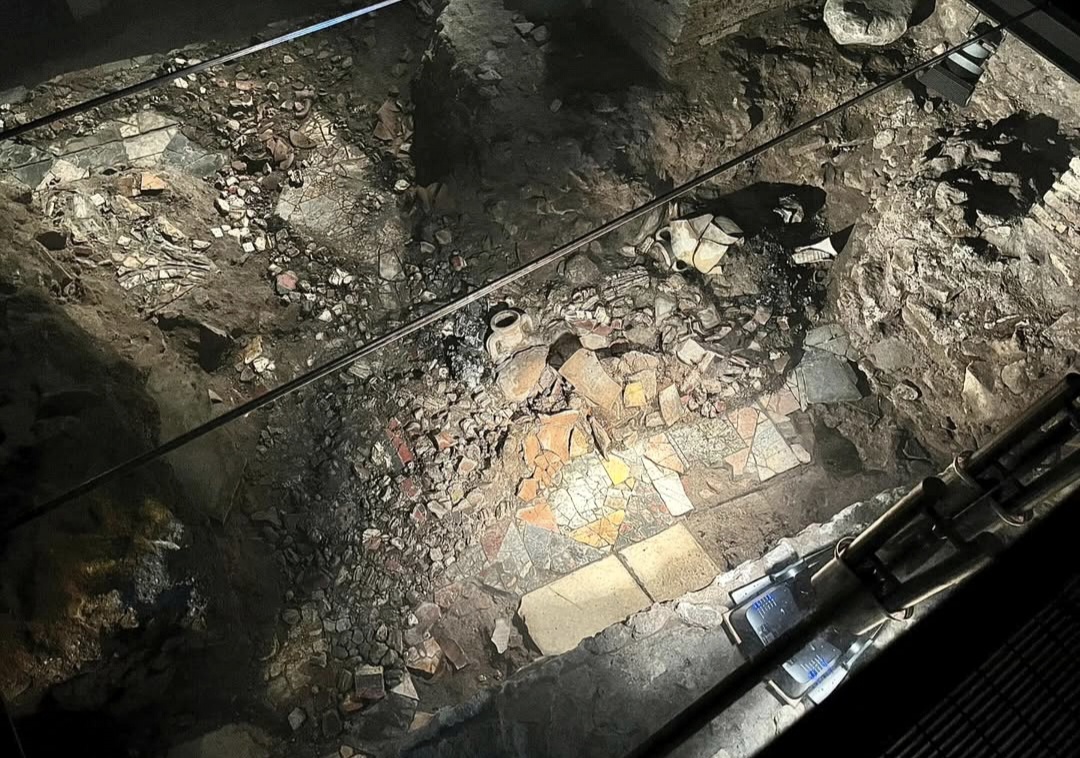
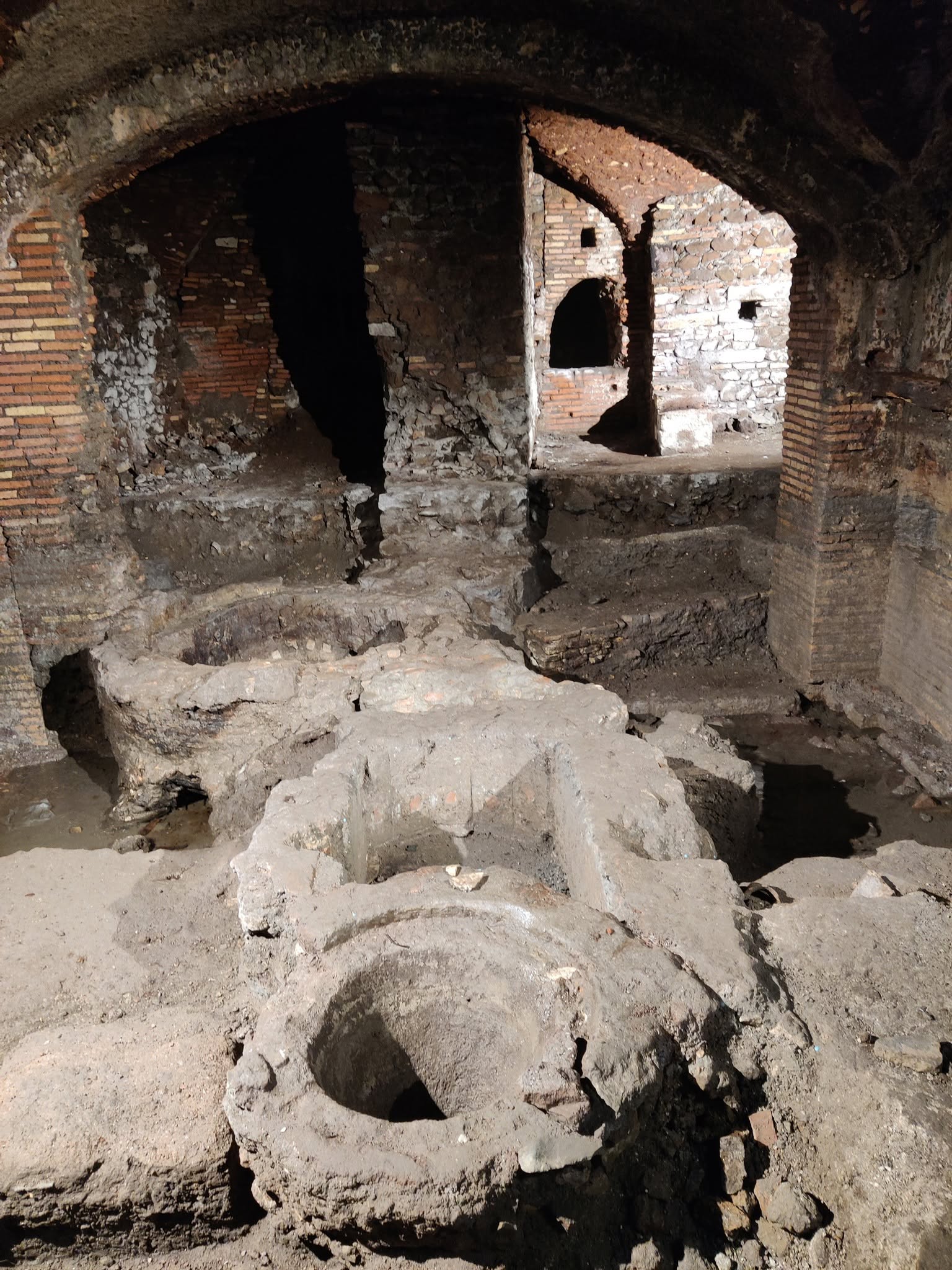
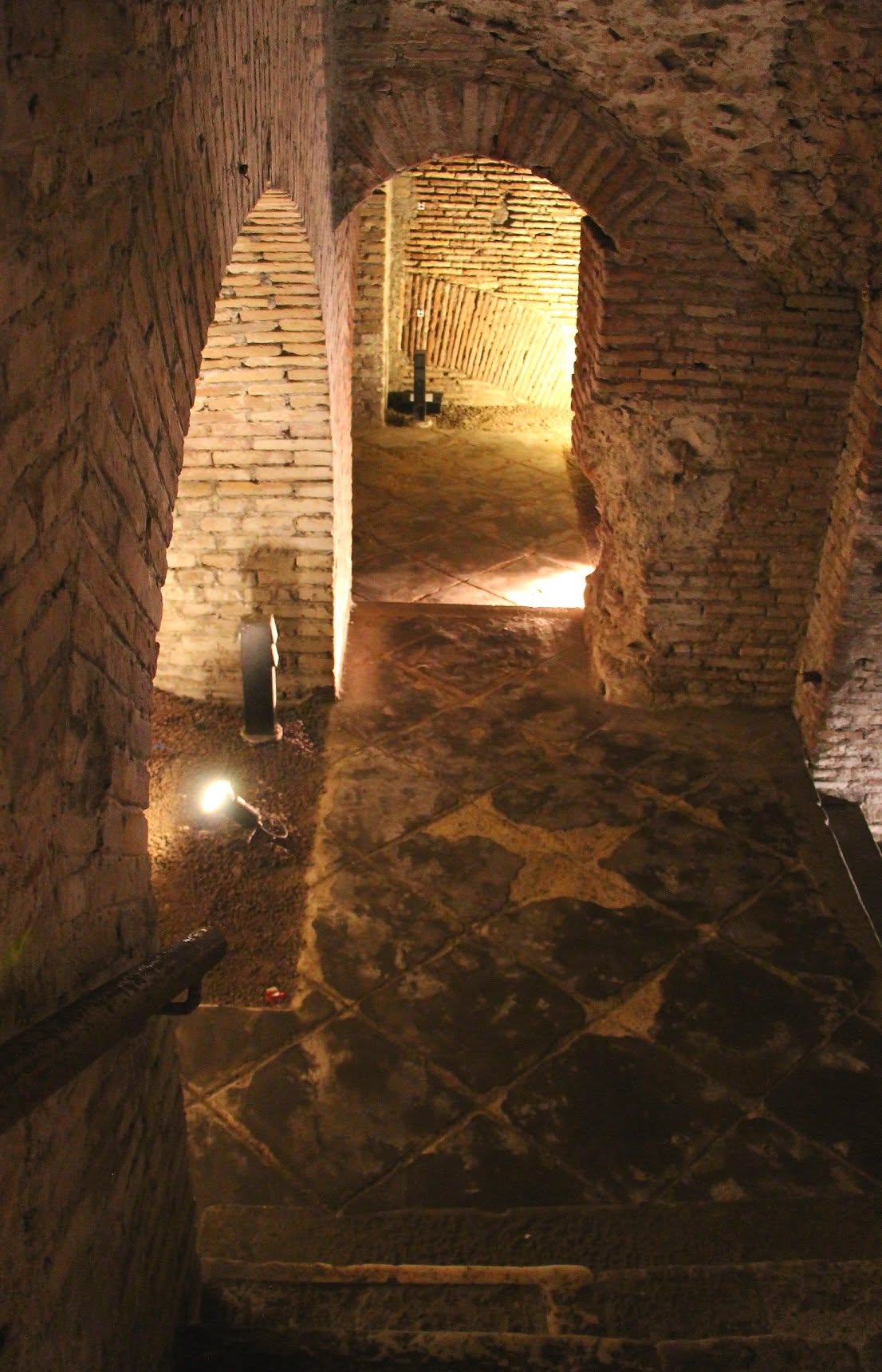
monuments alone: changing ground levels, archaeological depth,
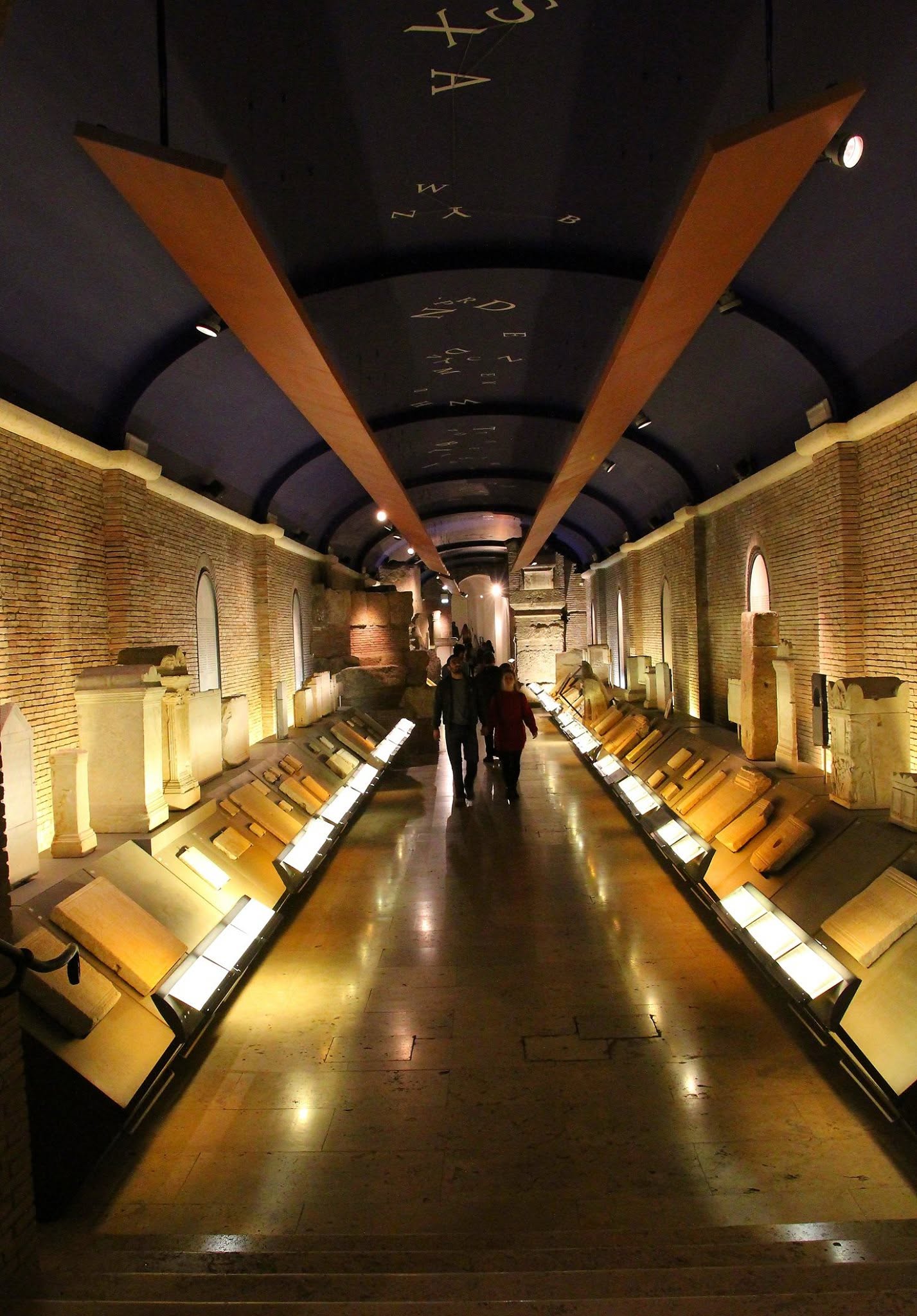
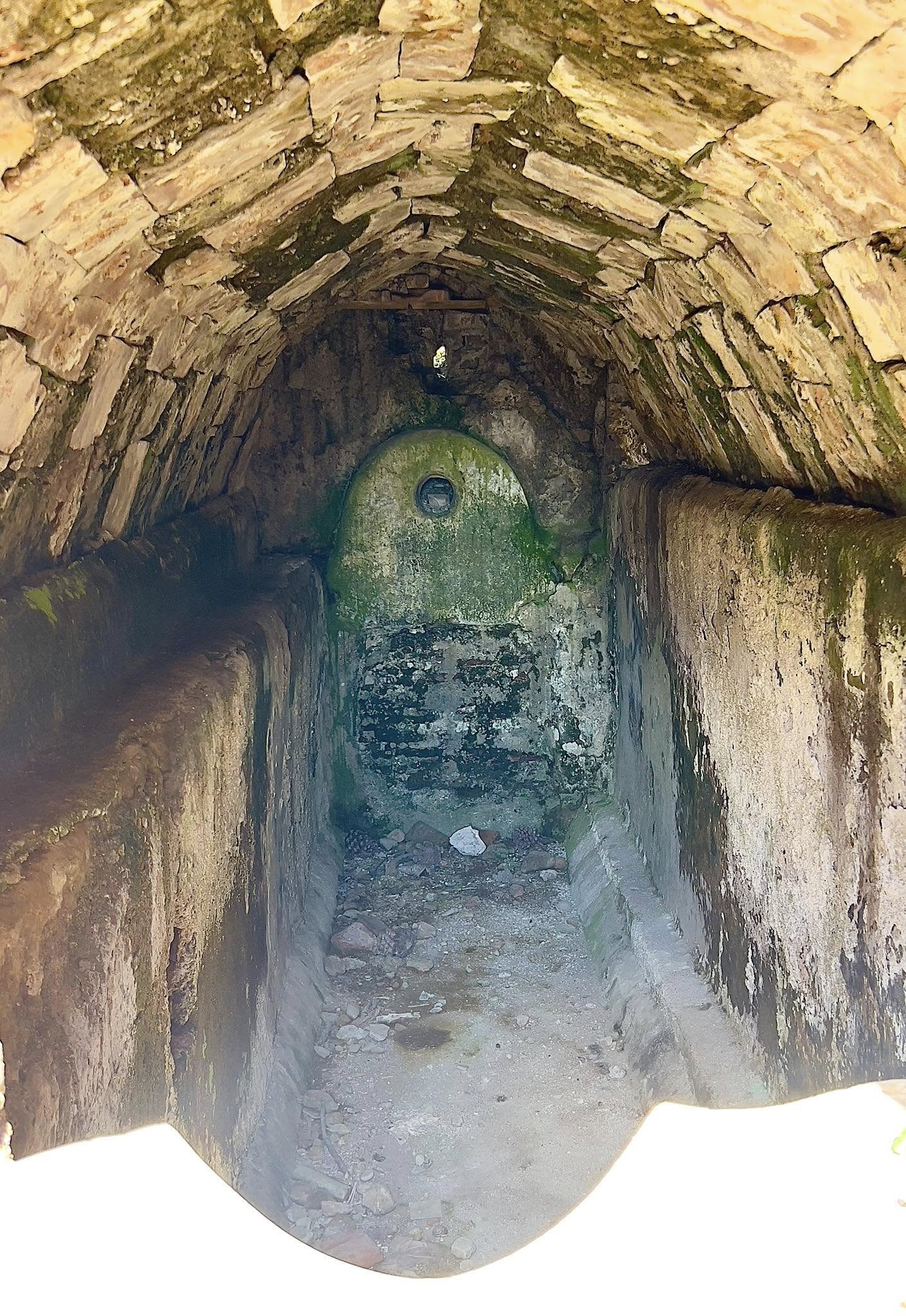
ancient infrastructure, funerary geography, reuse and the
relationship between archaeological evidence and the city
that developed around it.
The result is an evolving journal for understanding
the physical development of Rome.

 Urban Stratigraphy · Rome