
Roman Houses of the
Caelian Hill
Caelian Hill
Rome
A neighbourhood preserved inside later architecture.
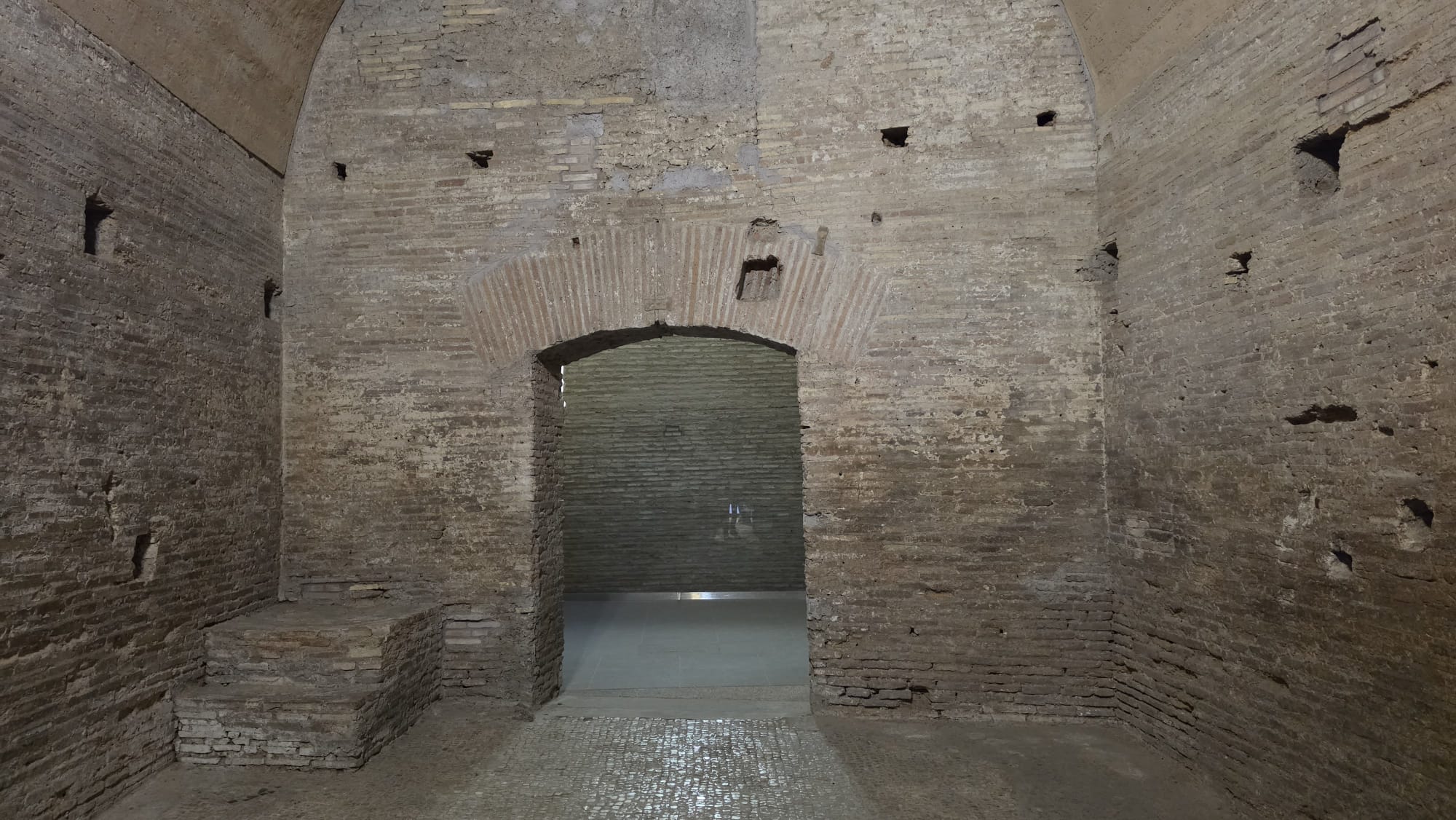
The Case Romane del Celio are not the remains of a single Roman house.
The archaeological complex contains twenty painted rooms belonging to at least five buildings constructed and transformed between the first and fourth centuries AD.
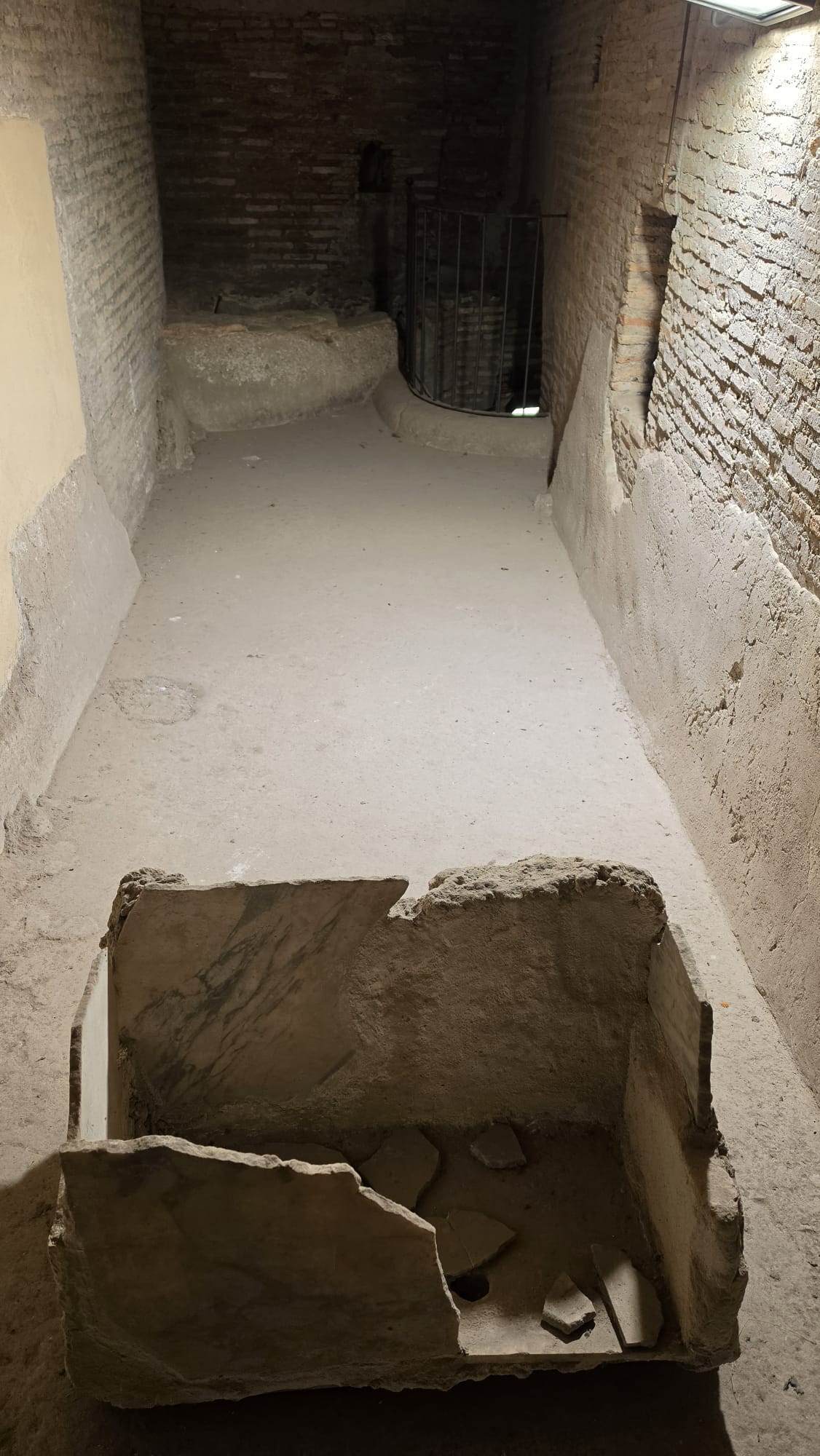
Shops, storage spaces, residential rooms and a private bathing installation became part of increasingly complex domestic architecture as the site changed through time.
Later Christian use added another phase to the sequence, before the construction of the basilica preserved much of the earlier architecture below.
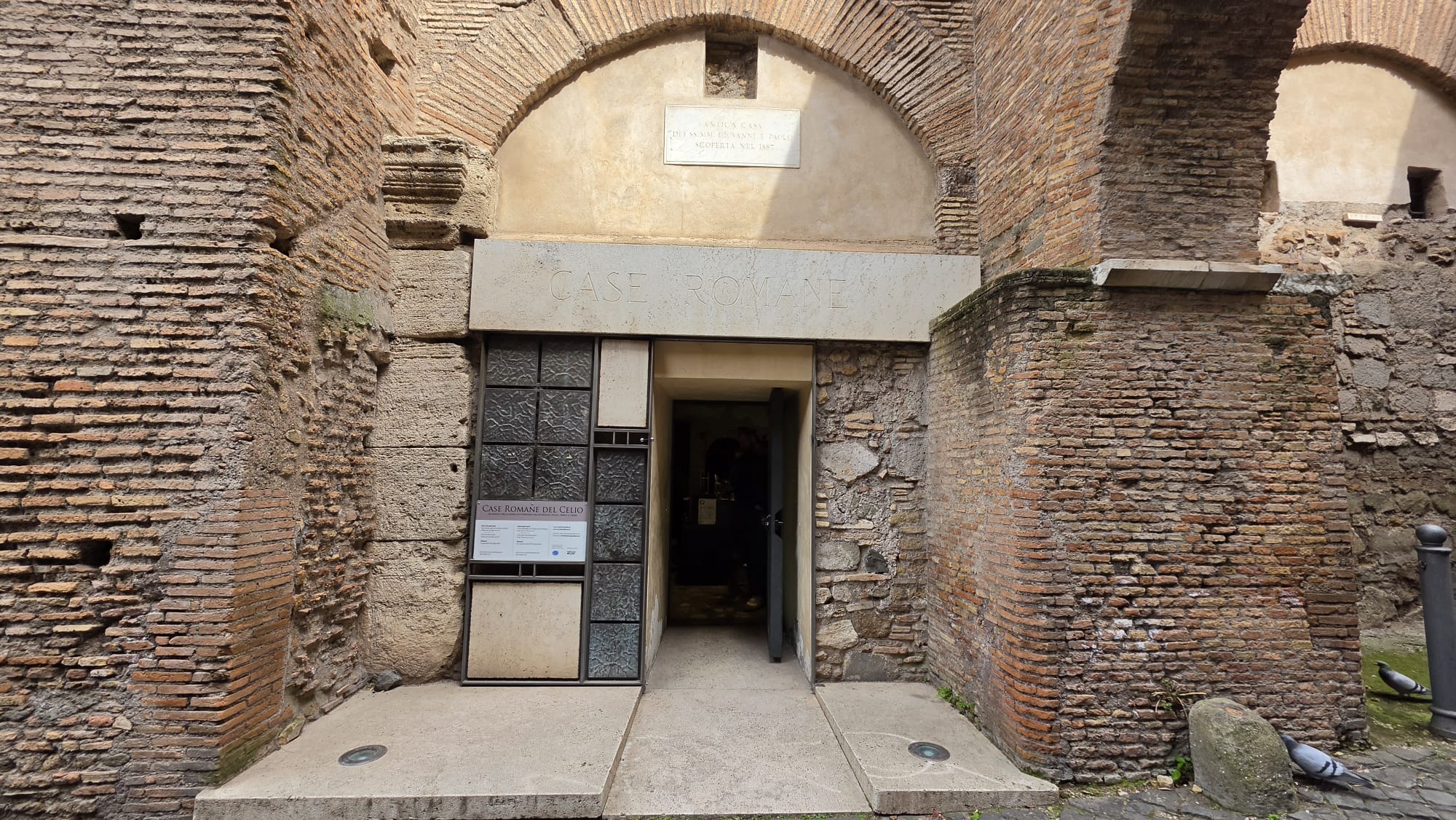
Centuries below the basilica.
The underground complex was rediscovered in 1887 by Father Germano di San Stanislao, then rector of the Basilica of Santi Giovanni e Paolo.
What emerged was not an isolated chamber but an extensive sequence of Roman buildings whose rooms, decoration and later alterations had survived beneath the church.
Architecture changed as the neighbourhood changed.
The surviving complex records successive reorganisations rather than one fixed Roman residence.
Different phases altered rooms, circulation and use, while retaining parts of earlier structures.
Earlier Buildings
Commercial and storage spaces formed part of the developed urban fabric of the Caelian Hill.
Domus & Balneum
A residence developed on two levels and included a private bathing installation.
New Domus
Earlier structures were incorporated into a new and more elaborate residential complex.
Titulus
The later sequence became connected with Christian use and the religious history of the site.
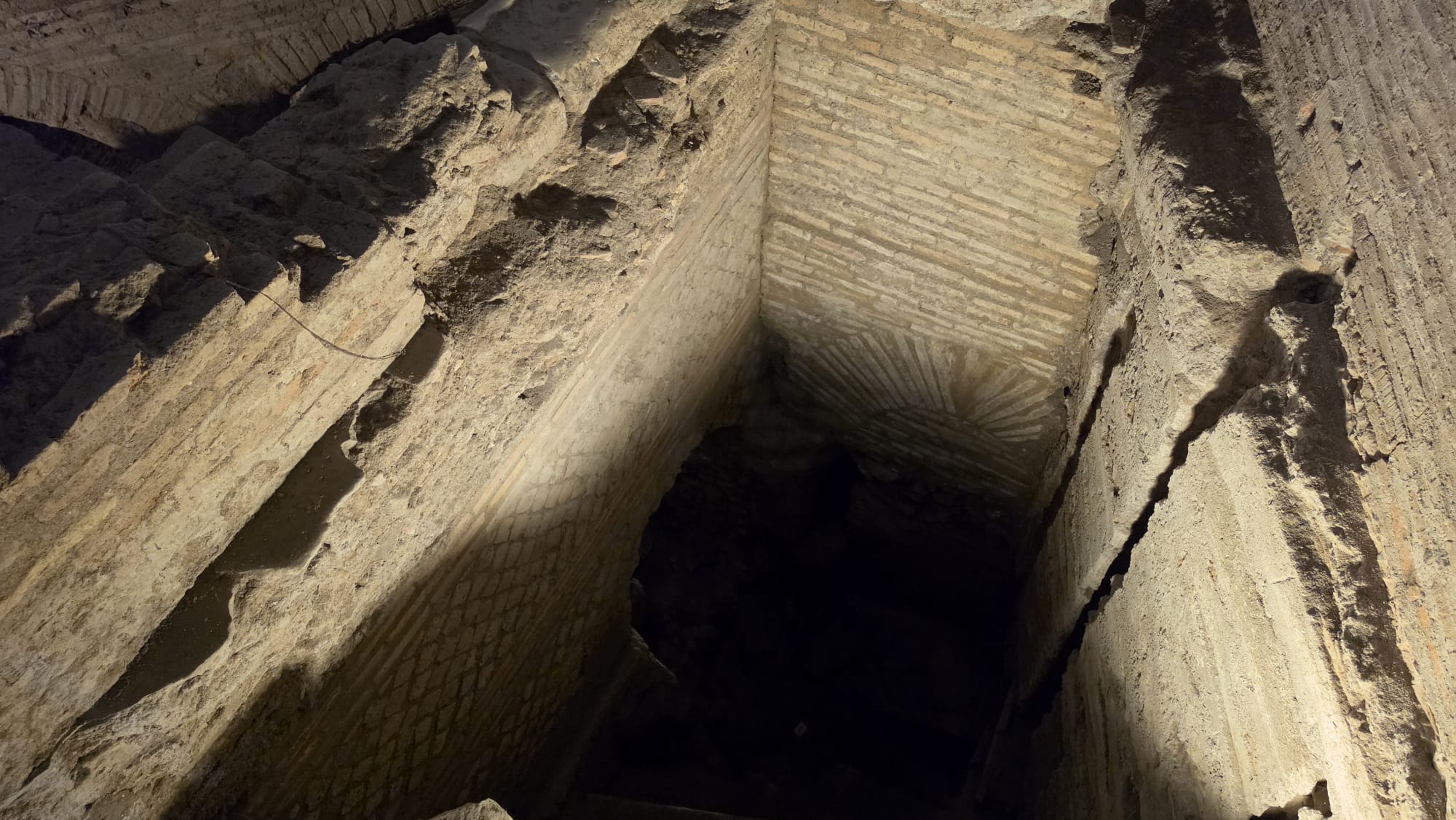
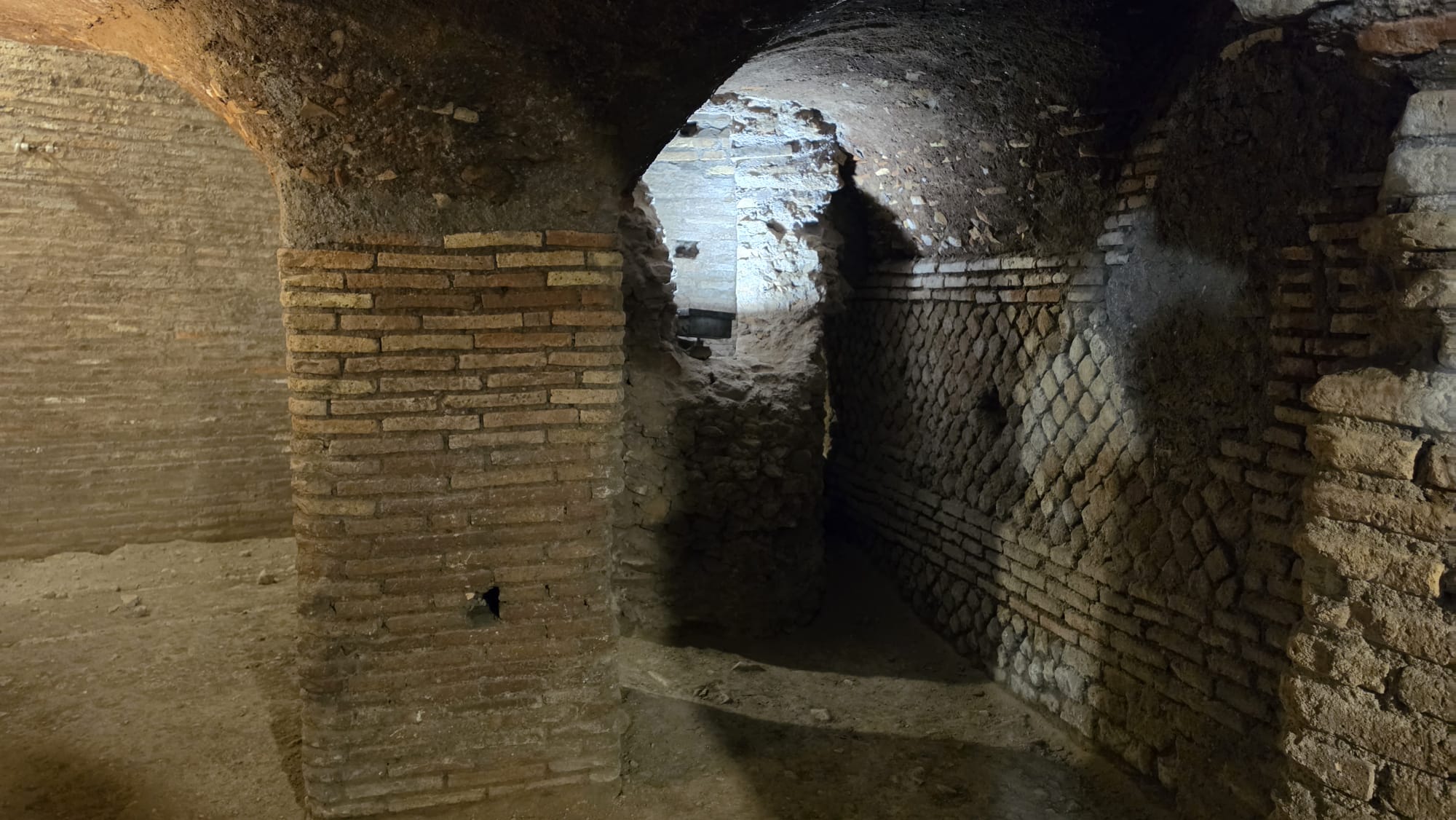
Walls record decisions made centuries apart.
The masonry makes the sequence of construction, closure and reuse physically visible.
Openings were modified, spaces were joined or separated and earlier walls became structural elements within later buildings.
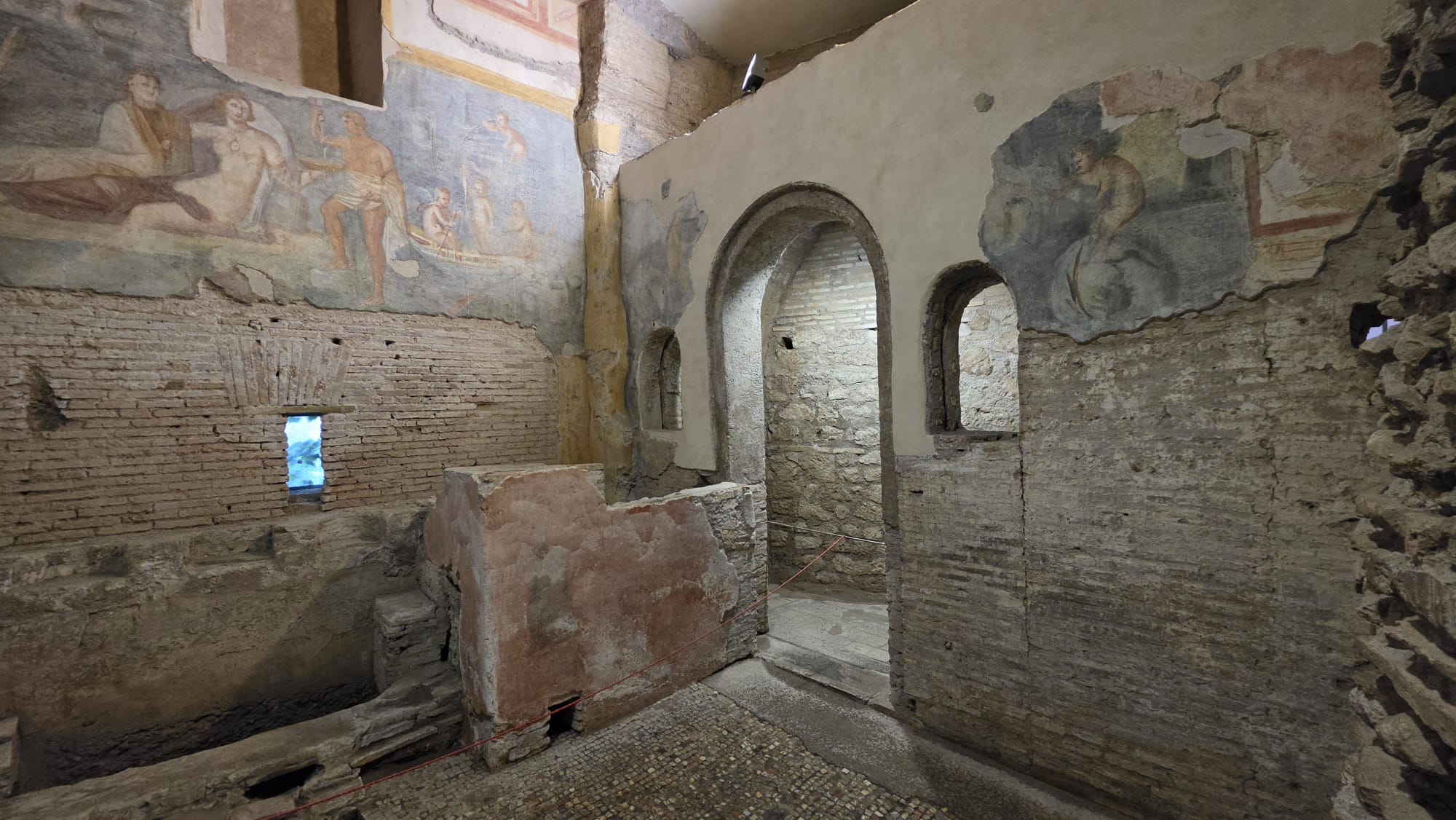
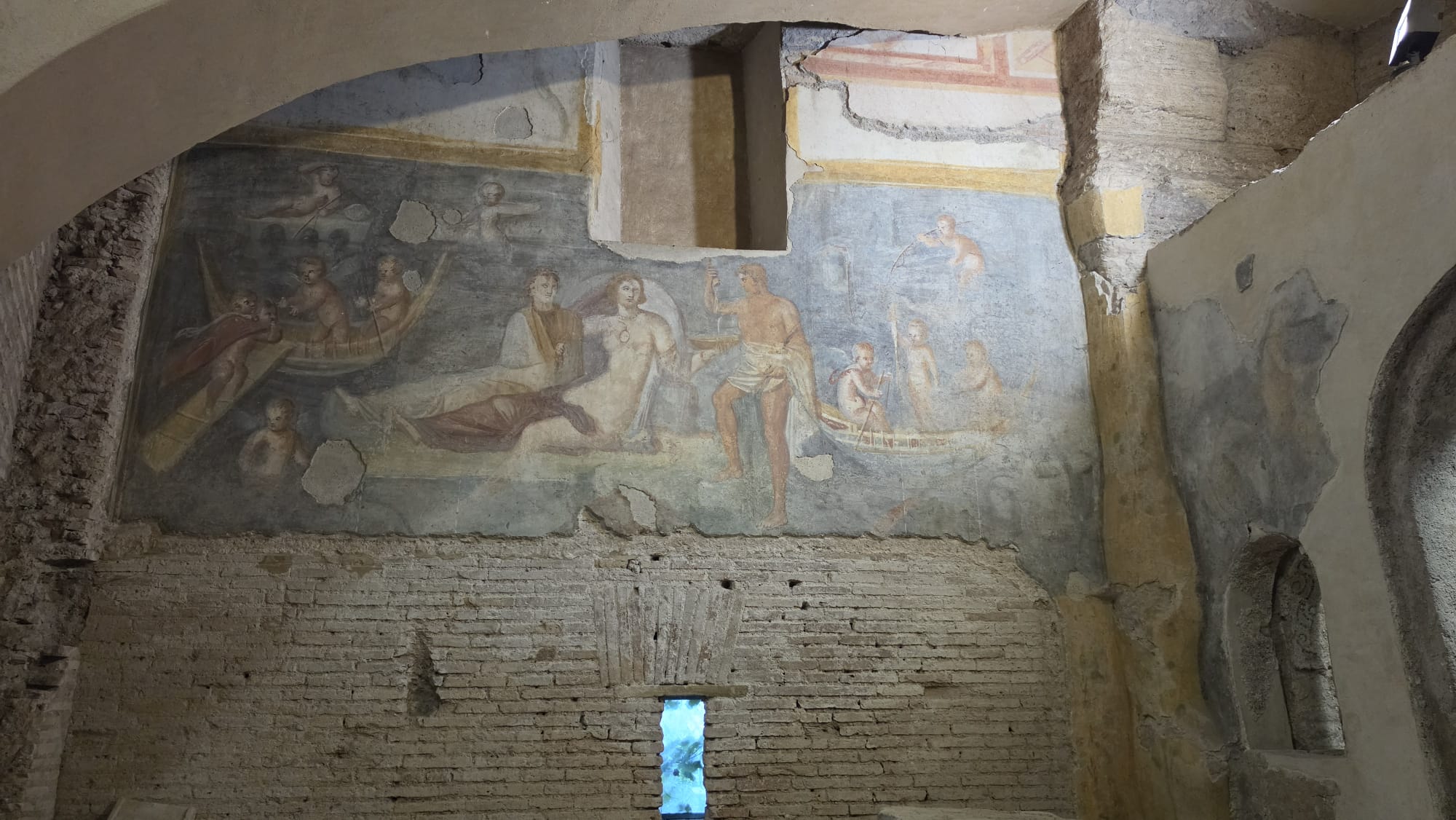
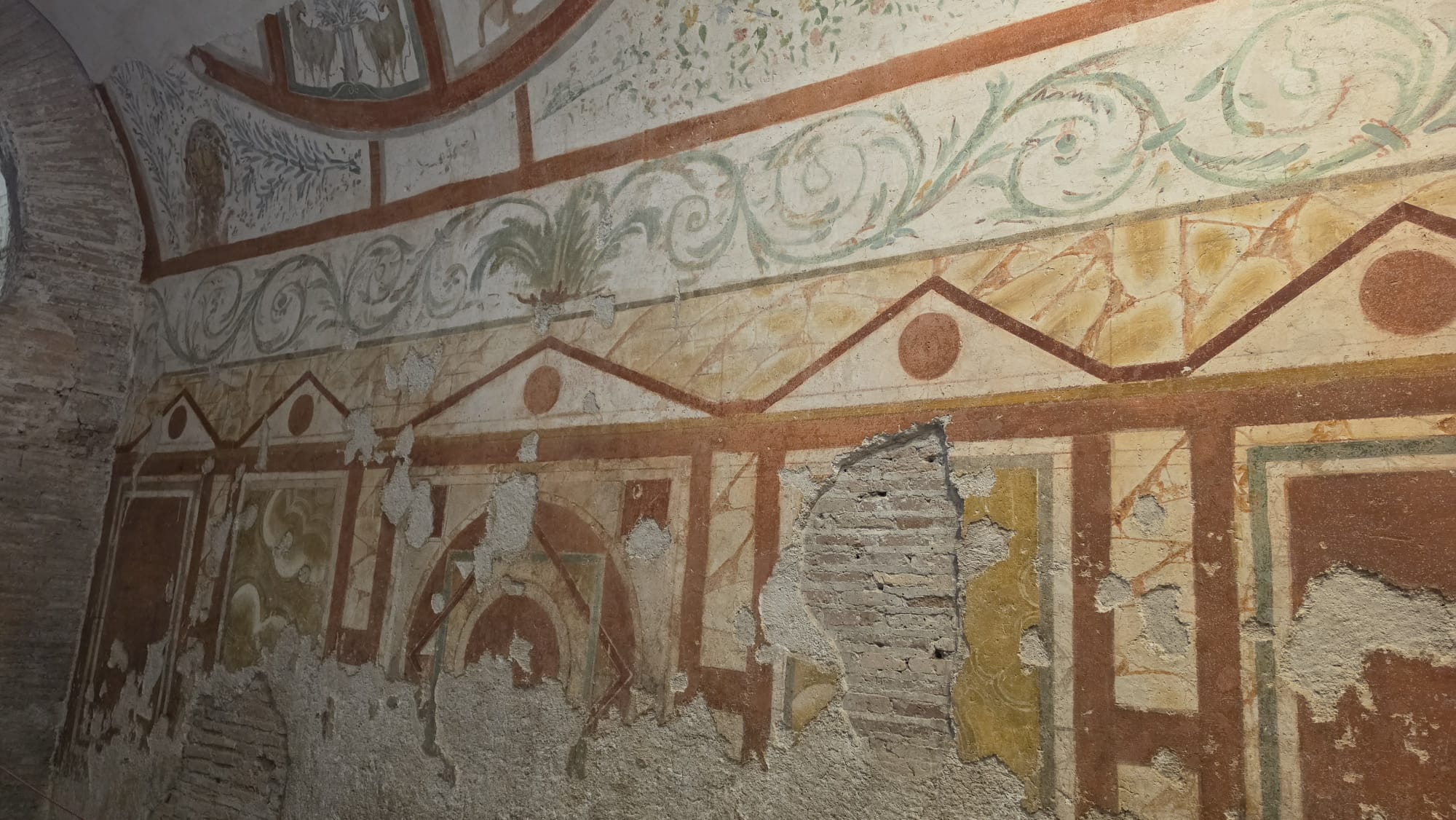
Decoration survives with the architecture.
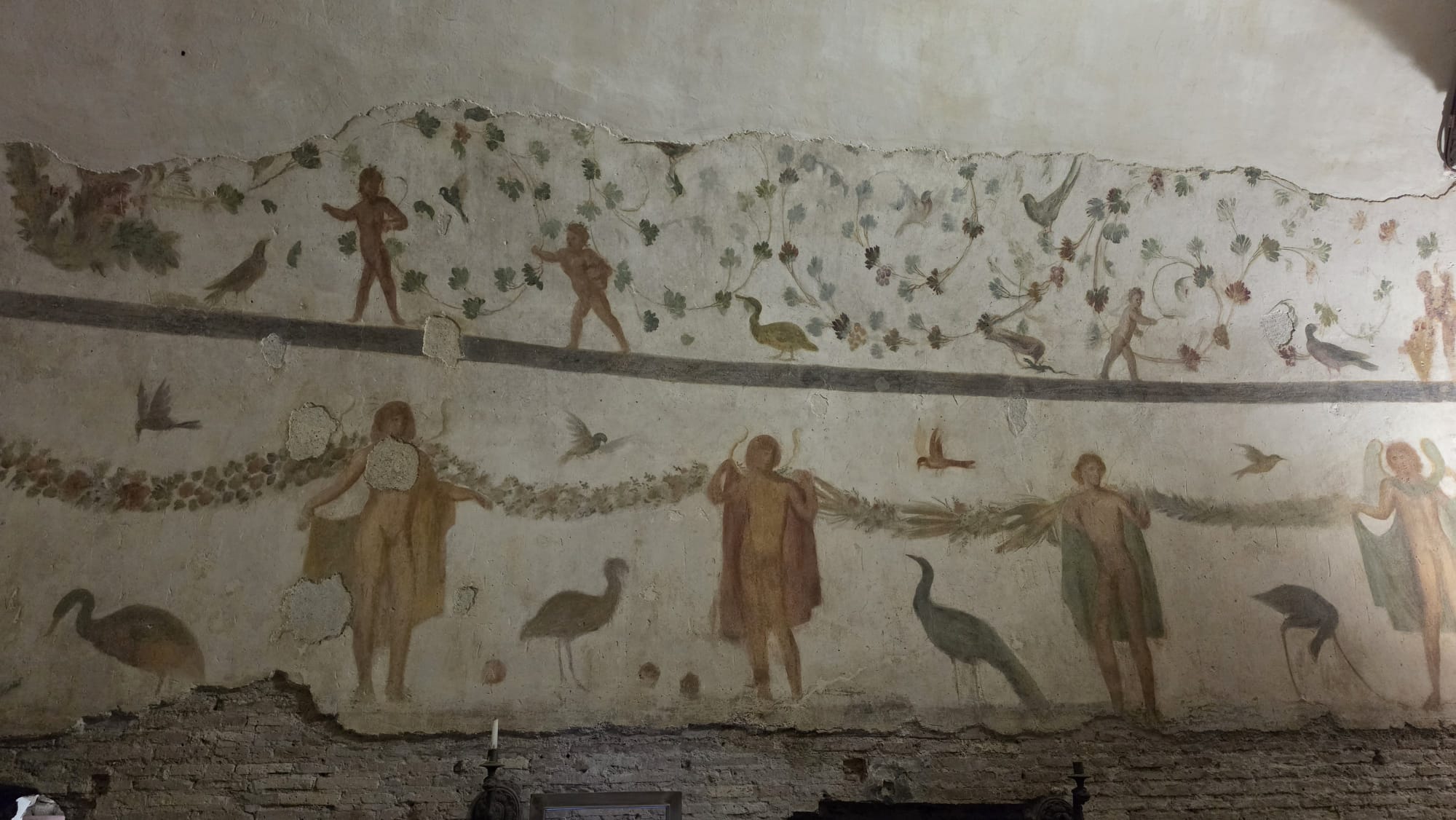
The exceptional value of the complex lies not only in its walls, but in the painted surfaces preserved inside them.
Figurative scenes, ornamental schemes, birds, vegetation and architectural decoration provide another source for understanding the character and changing use of the rooms.
One site. Many rooms. Several buildings.
Reading the complex requires moving beyond the idea of a single domus.
The twenty surviving rooms belong to a sequence of structures that changed both physically and functionally. The archaeological relationships between them are more important than any one room viewed in isolation.
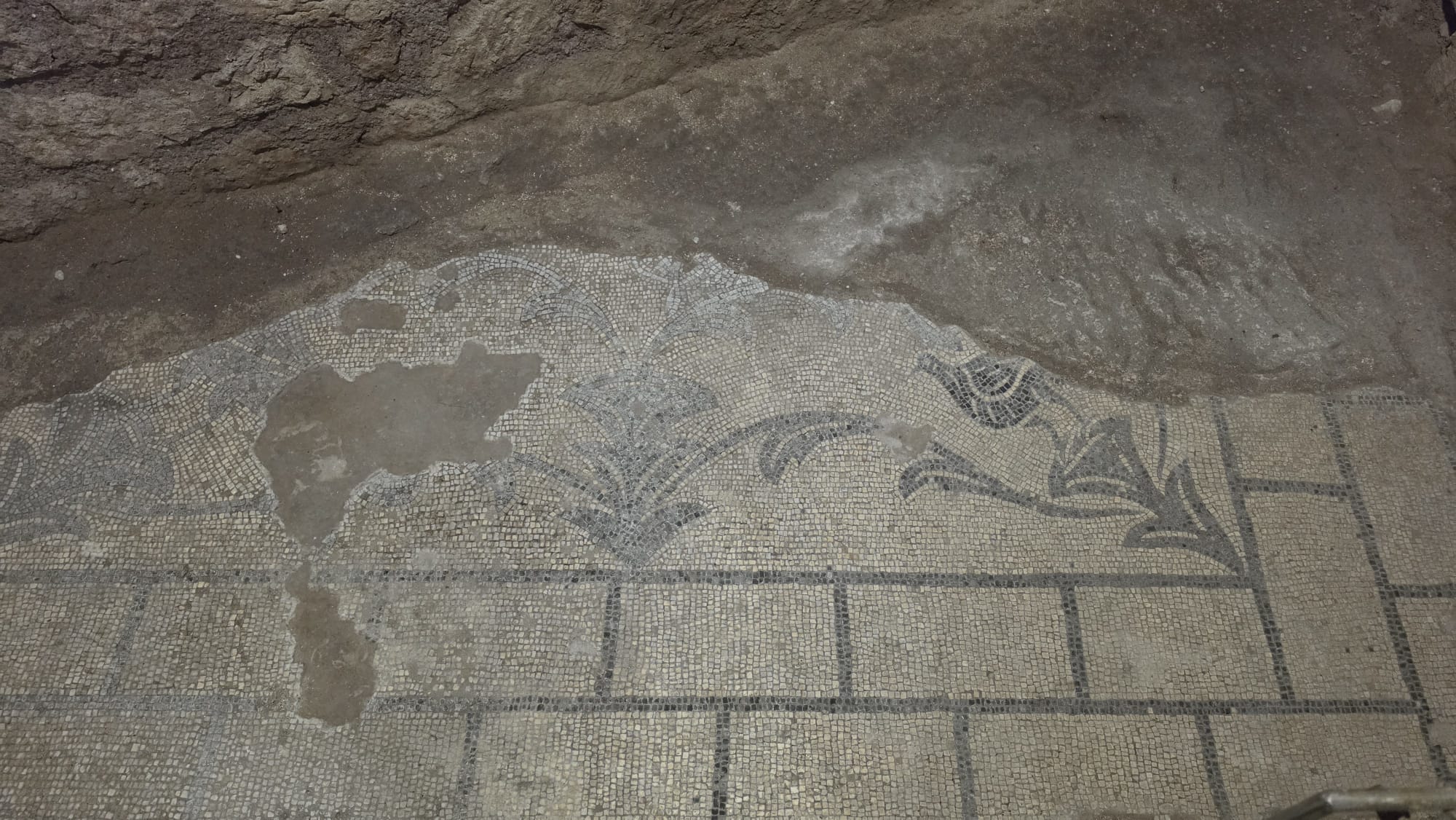
Surfaces, openings and decoration preserve different kinds of evidence.
The surviving interiors allow architectural fabric and decorative phases to be examined together.
Domestic architecture acquired a new religious meaning.
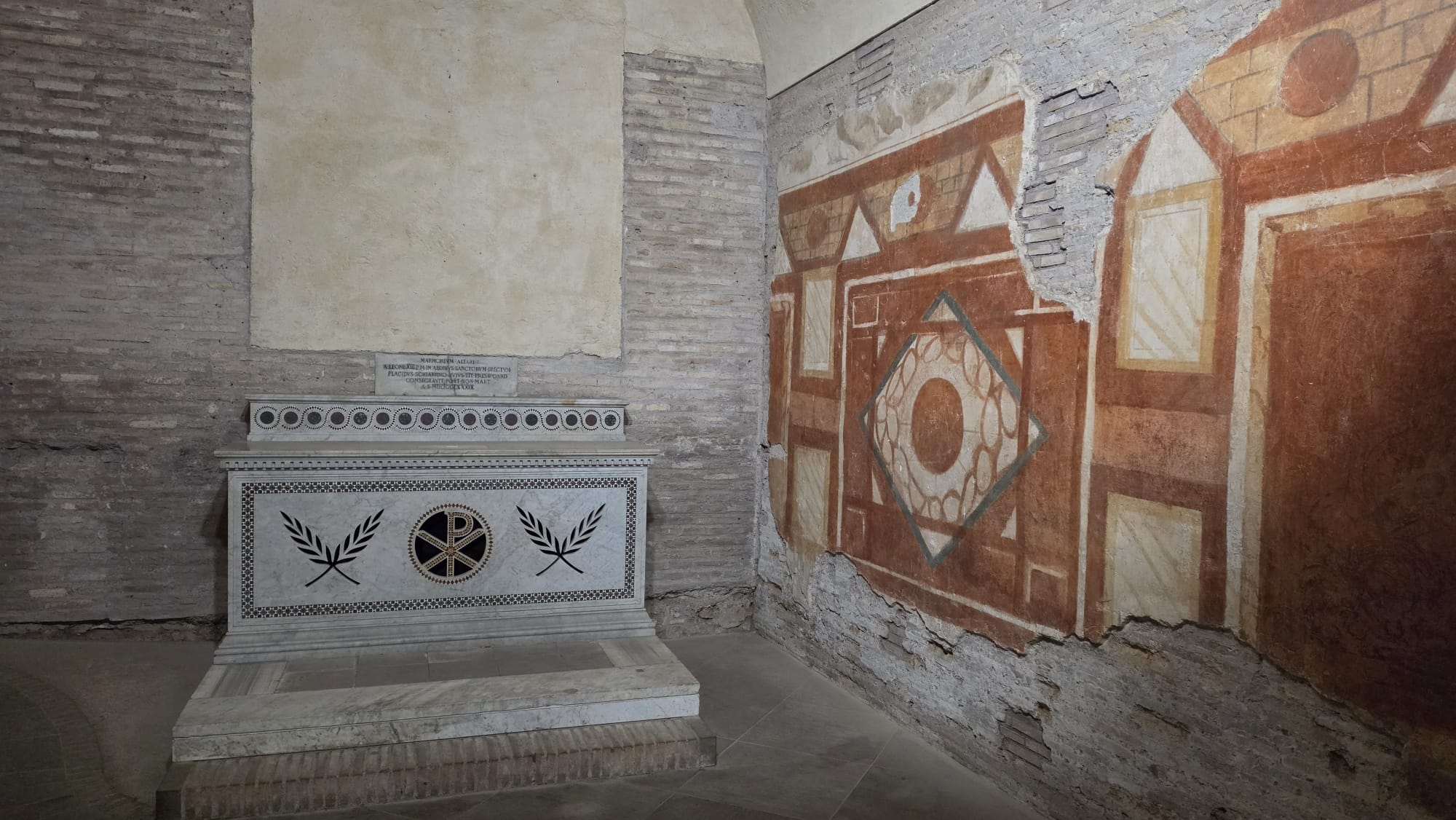
By the fourth century, the history of the complex had become connected with Christian worship.
Tradition identifies the site with Saints John and Paul, who were believed to have lived, suffered martyrdom and been buried here.
Archaeologically, the important point is the transformation itself: spaces created within Roman domestic architecture entered a new phase of use and interpretation during Late Antiquity.
A building can change without disappearing.
The Case Romane del Celio preserve transformation rather than a frozen moment of Roman life.
Earlier walls survived because later occupants continued to use, modify and incorporate them.
An archaeological complex open to visitors.
The Case Romane del Celio are accessible from the Clivo di Scauro beneath the Basilica of Santi Giovanni e Paolo.
Visitor schedules and ticketing arrangements can change. Check the current official information before planning a visit or including the site in an itinerary.
Explore more places below Rome.
Follow the physical development of ancient Rome.
Underground Rome designs private archaeological journeys around structures below street level, selecting sites according to your interests, available time and the access genuinely available during your stay.
Request a Private Journeyby Rome Private Experience
Underground Rome is dedicated specifically to the archaeological and historic city below street level.
For broader private programmes across Rome, corporate experiences and complex group arrangements, visit Rome Private Experience .