How Archaeologists Read the Layers Beneath Rome
Archaeological depth is not simply measured. It has to be interpreted. Walls, floors, fills, cuts, surfaces and rebuilding phases form relationships that allow archaeologists to reconstruct how a place changed through time.
 Rome · Archaeological Sequence
The deepest structure is not automatically the most important, and a single wall cannot explain a site by itself.
Archaeologists reconstruct a sequence by studying relationships.
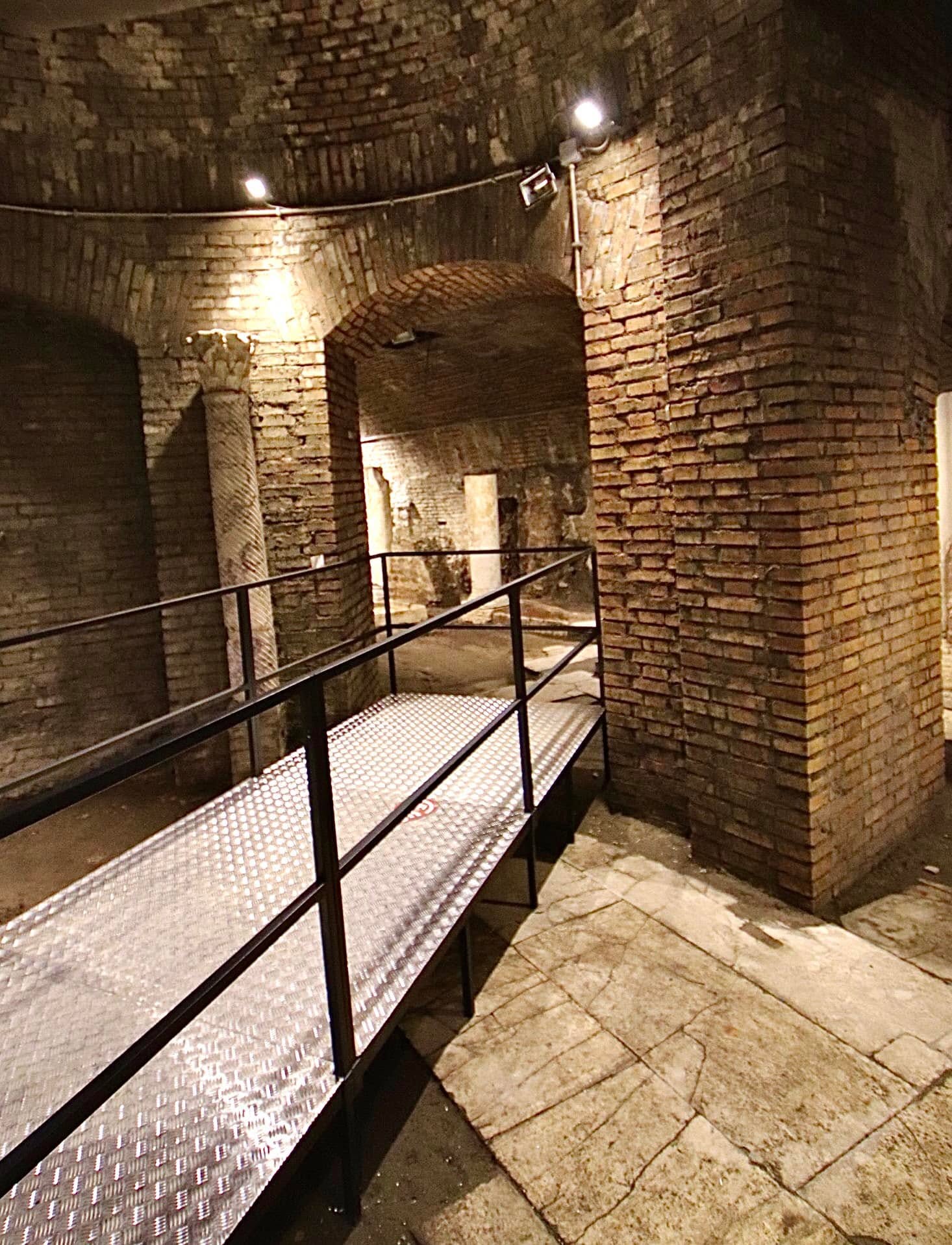
A floor can meet a wall. A later wall can cut through an earlier deposit. A doorway can be blocked. A room can be filled before another structure is built above it.
Each observation contributes to the relative order in which events occurred.
This is the basis of stratigraphic interpretation: not simply asking how deep something is, but asking what happened before and after it.
Archaeological stratigraphy is fundamentally about sequence and relationships. Depth is evidence, but depth alone is not chronology.
A “layer” is not always a simple band of earth.
In everyday language, archaeological layers can sound like a stack of horizontal deposits arranged neatly one above another.
Urban archaeology is usually more complicated.
A stratigraphic sequence can include deposits of soil or debris, but also constructed surfaces, walls, foundations, cuts, fills and other physical traces created by human activity or natural processes.
What matters is identifying each element and establishing how it relates to those around it.
Archaeology reconstructs a sequence of events.
In a simple undisturbed sequence, a deposit below another was generally formed first.
But cities continually disturb earlier sequences.
Foundations cut through previous deposits. Pits remove earlier material. Walls are demolished. Rooms are filled. New floors cover older ones. Existing structures are incorporated into later buildings.
The archaeologist therefore has to identify not only what lies above or below, but also what cuts, covers, abuts or reuses something else.
Those physical relationships establish a relative chronology.
 Architecture · Construction Phases
Walls can record more than one building.
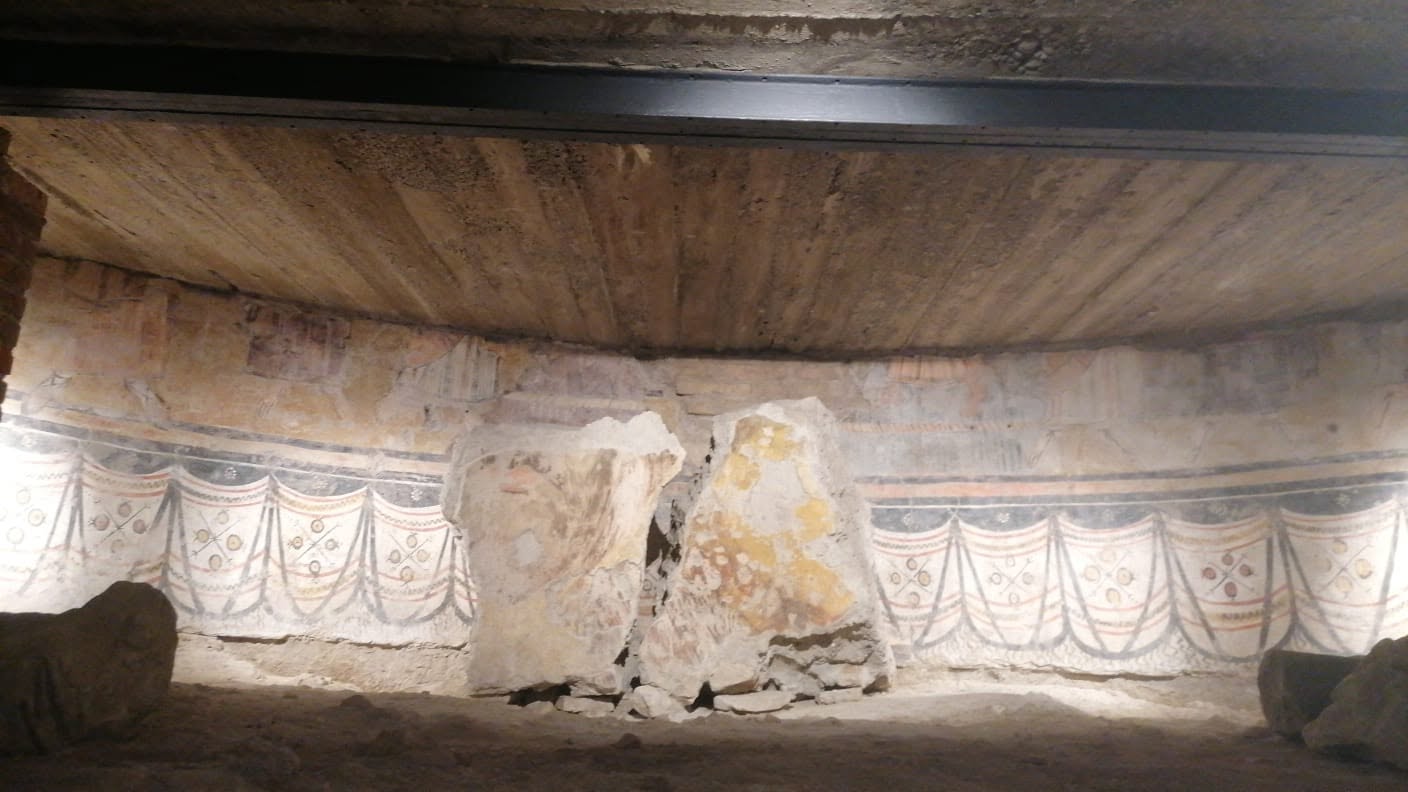
Masonry is not automatically evidence of a single construction phase.
A later structure can incorporate an earlier wall. An opening can be closed. A new surface can be laid against existing masonry. A foundation can cut into deposits formed long before it.
Archaeologists therefore examine the physical connections between architectural elements rather than treating every visible wall as contemporary.
The question becomes relational: which structure was already present when another was built?
How a sequence is read.
Separate the observable deposits, structures, surfaces, cuts and fills into distinct archaeological units.
Document their position, physical characteristics and relationships before excavation removes information.
Determine which units cover, cut, abut or precede others.
Arrange those relationships into a relative order of construction, use, alteration and abandonment.
Use datable evidence, where available, to place parts of that relative sequence within chronological periods.
Combine the sequence with architecture, finds and wider historical evidence to understand how the site developed.
Deeper does not simply mean older.
Depth often contributes to understanding an archaeological sequence, but it cannot be used as a universal dating system.
A later foundation can cut deeply through older deposits. A pit can penetrate an earlier floor. Material can be removed and redeposited. Different parts of the same site can preserve different sequences.
This is why a measurement such as “eight metres below modern street level” describes a physical position, not a date.
Chronology comes from context.
The position of a structure has to be read together with its relationships, construction, associated deposits and datable evidence.
Its physical location within the archaeological sequence.
What it covers, cuts, abuts or is itself covered by.
The dating evidence that can place the event within time.
 Architecture · Physical Evidence
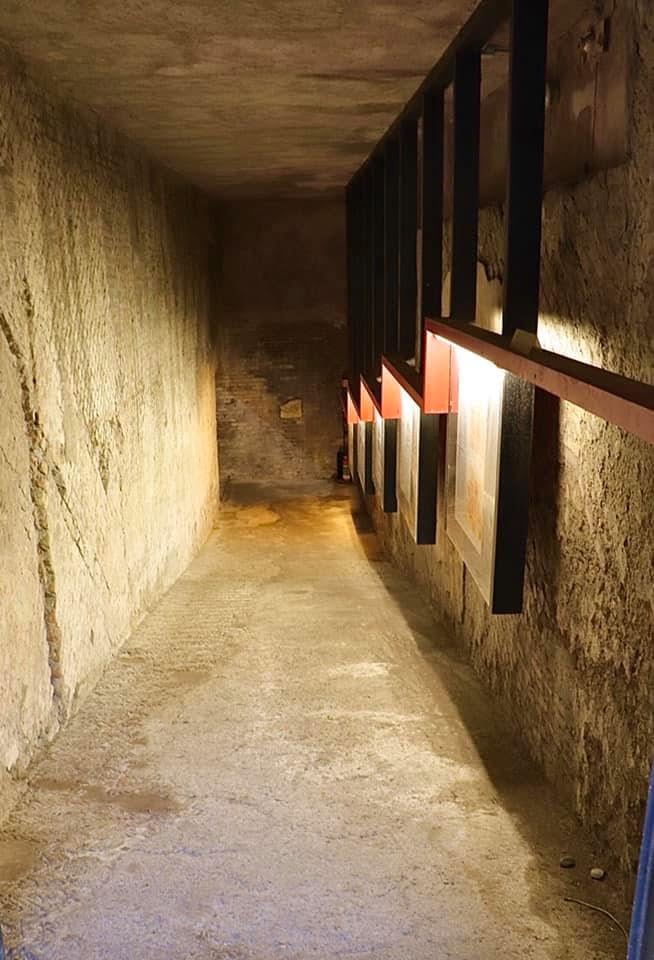
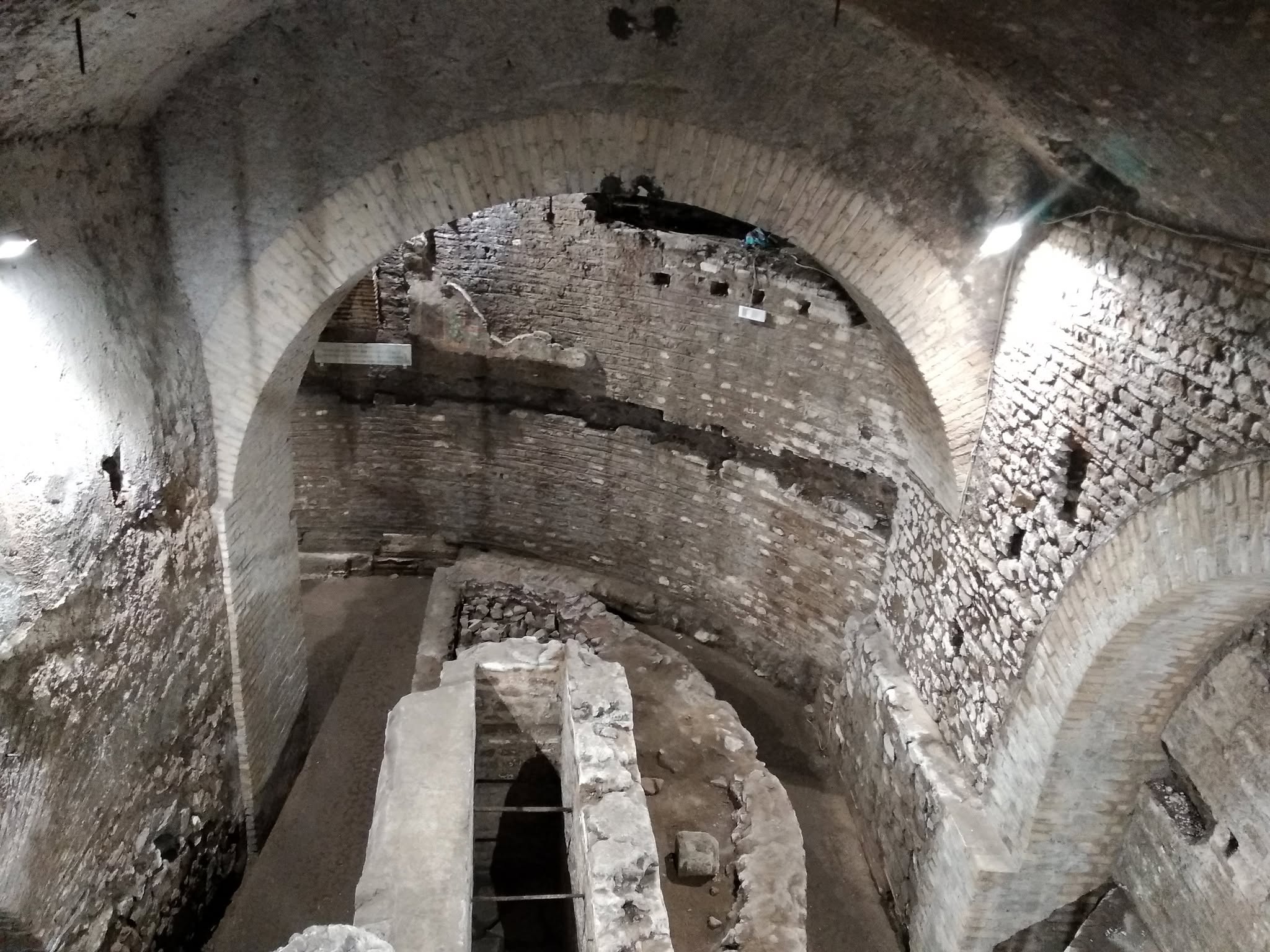 Structures · Sequence · Reuse
Objects help date the context they come from.
Archaeological finds can help place a stratigraphic event within a chronological framework.
Pottery, coins and other datable materials can provide important evidence, but their value depends on context.
An object is not simply a date label attached to everything around it.
Archaeologists have to understand how the deposit containing it was formed and whether the material belongs to that event or was already old when it entered the deposit.
This is another reason why archaeological interpretation depends on relationships rather than isolated discoveries.
Rome rarely begins again from an empty site.
One of the defining conditions of urban archaeology in Rome is the repeated reuse of existing structures and spaces.
A wall can survive because a later building found it useful. A lower room can become a foundation. An earlier structure can determine the orientation of construction centuries later.
This means survival does not necessarily indicate preservation in the modern sense.
Sometimes a structure survives precisely because later builders incorporated it into something new.
Reading Rome archaeologically therefore means recognising continuity and transformation at the same time.
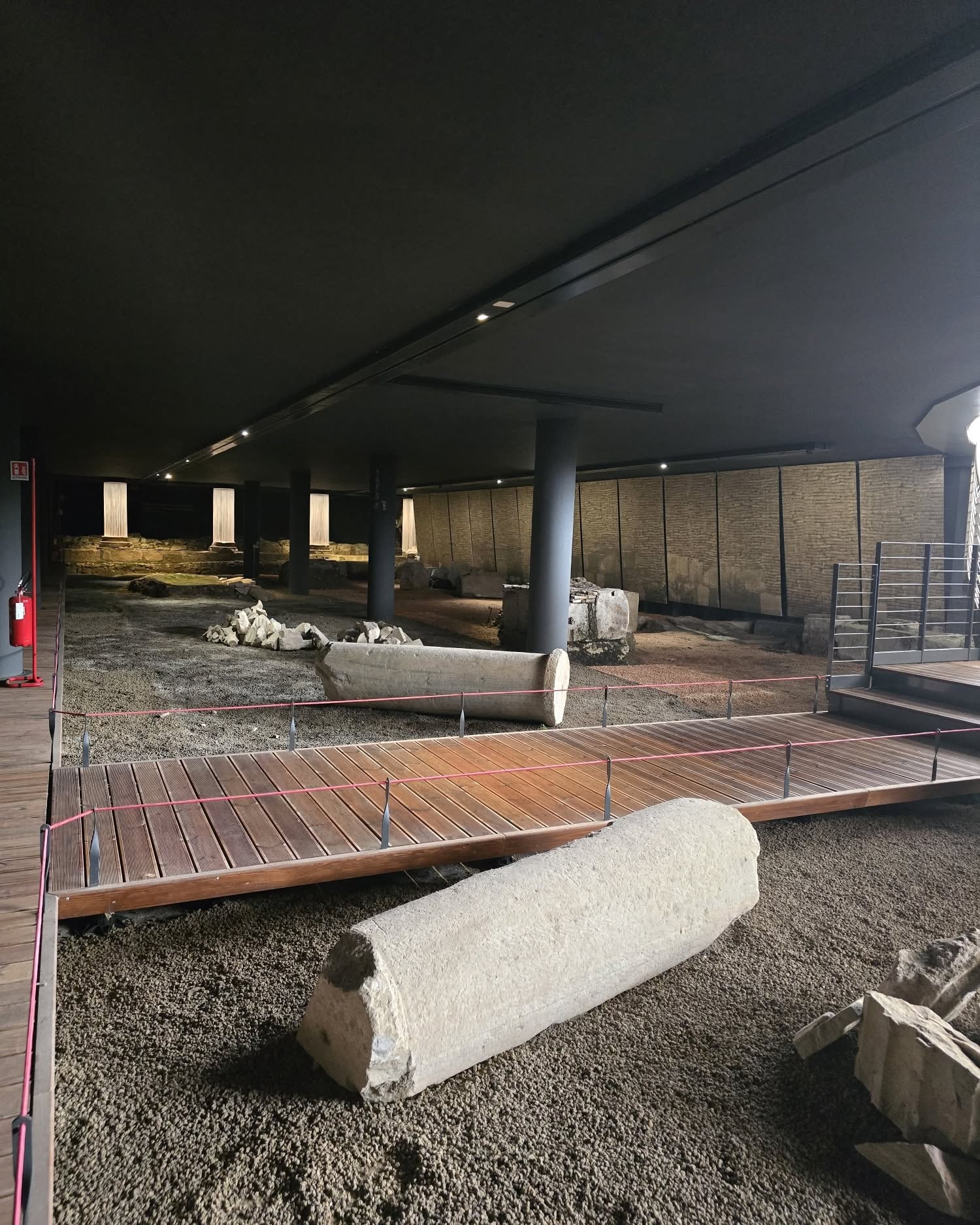 Rome · Architecture Through Time
A sequence becomes a history only after interpretation.
Excavation produces observations. Archaeological interpretation connects them.
A wall belongs to a construction event. A floor records a phase of use. A blocked doorway indicates alteration. A demolition deposit records another transformation.
When these events are ordered, archaeologists can begin to reconstruct the development of a site.
That reconstruction can then be compared with other forms of evidence: architecture, objects, inscriptions, historical sources and the wider topography of Rome.
The result is not simply a catalogue of things found underground. It is an attempt to understand how one place changed through time.
Archaeology does not read the ground like a stack of dates. It reads relationships.
What lies below matters because of its position within a sequence of construction, use, alteration, destruction, accumulation and reuse.
A Roman wall is evidence. A floor is evidence. The point where one meets another is evidence too.
Together, those relationships allow the physical remains of the city to become a chronology.
Every layer is an event.
To read the archaeology beneath Rome is to reconstruct the sequence of decisions, structures, destruction, accumulation and reuse that produced the city visible today.
Return to Field Notes →Plan a private visit
Explore this subject through a private archaeological journey.
Tell us which place or question interests you and when you will be in Rome. We will check current access for your dates and, if needed, suggest a suitable alternative. Sending a request is not a confirmed booking.
Request a private archaeological journey →