Building Metro C Through an Archaeological City
To build a new railway beneath Rome is to enter ground already occupied by centuries of construction, destruction, burial and reuse. Metro C has made that collision between modern infrastructure and urban archaeology unusually visible.
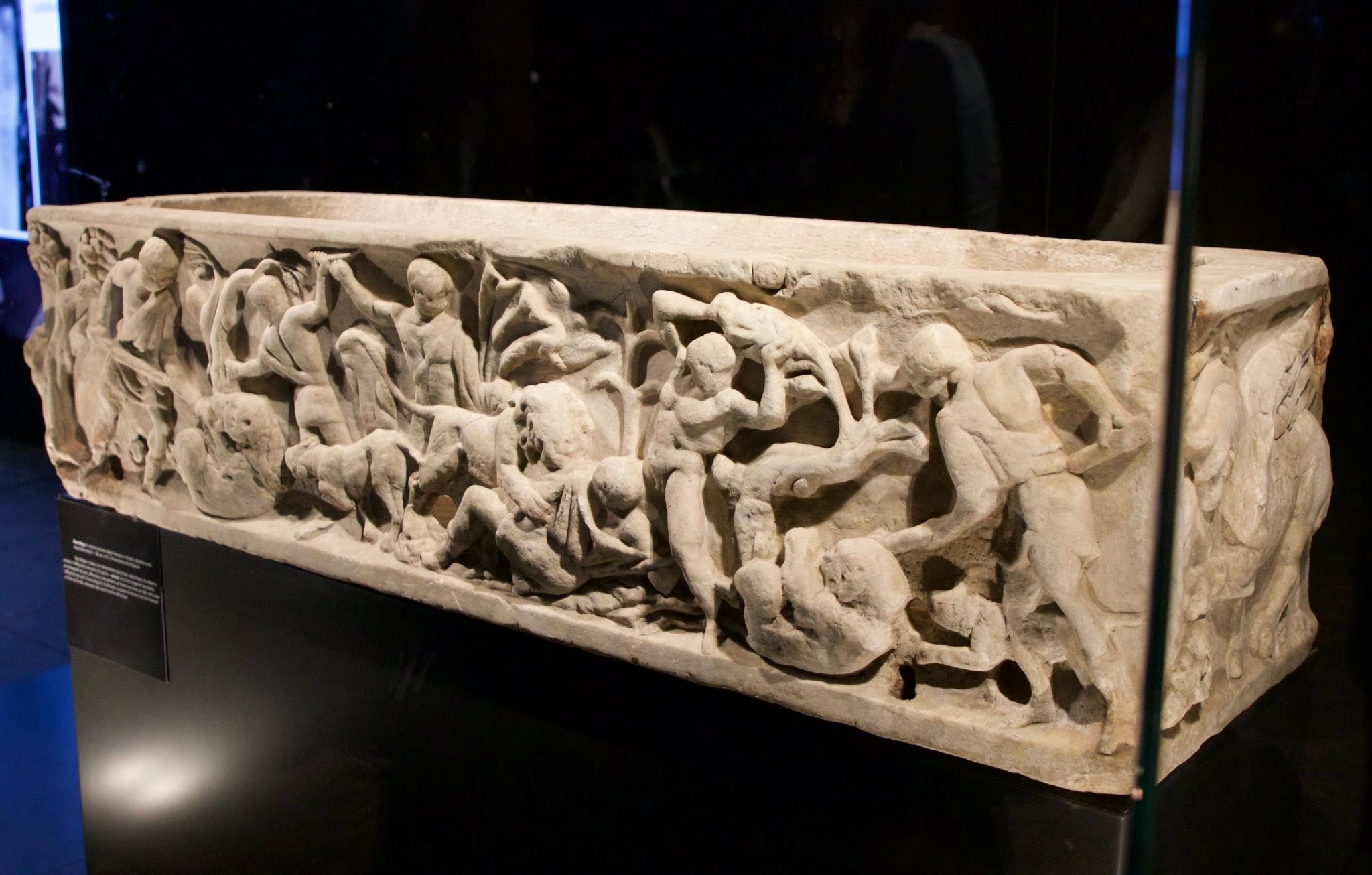 Metro C · Archaeology and the Contemporary City
In Rome, constructing underground infrastructure is also an encounter with the physical history of the city.
A metro line needs tunnels, stations, shafts, technical spaces and connections to street level.
In an archaeological city, those works do not pass through empty ground.
They enter a subsurface shaped by earlier roads, buildings, agricultural landscapes, infrastructure, deposits and successive changes in ground level.
Metro C therefore presents a particularly clear example of a larger Roman problem: how can a living city build downwards when its past is already there?
The relationship between Metro C and archaeology is not incidental. The archaeological sequence can directly affect how modern infrastructure is designed and constructed.
The metro enters a city that already extends downwards.
Rome's archaeological depth varies from place to place.
There is no single horizontal archaeological layer beneath the modern city. Instead, each area preserves its own sequence, determined by ancient topography, construction, demolition, accumulation and later intervention.
This matters enormously when planning a metro.
A railway can pass at substantial depth, but stations must connect that railway to the surface. Those large vertical structures intersect the levels between contemporary Rome and the tunnels below.
It is in that vertical passage that engineering and archaeology can meet directly.
Sometimes the ground has to be read before it can be built through.
Archaeological excavation has accompanied construction along the Metro C route.
In particularly sensitive areas, the archaeological sequence has influenced the methods used to construct the new infrastructure.
Between San Giovanni and Porta Metronia, the presence of ancient remains to be preserved at substantial depth required archaeological excavation through the upper levels rather than treating those levels simply as material to be mechanically removed.
The distinction is fundamental.
For archaeology, excavation is not merely the removal of earth. It is the controlled documentation of a sequence that disappears as it is excavated.
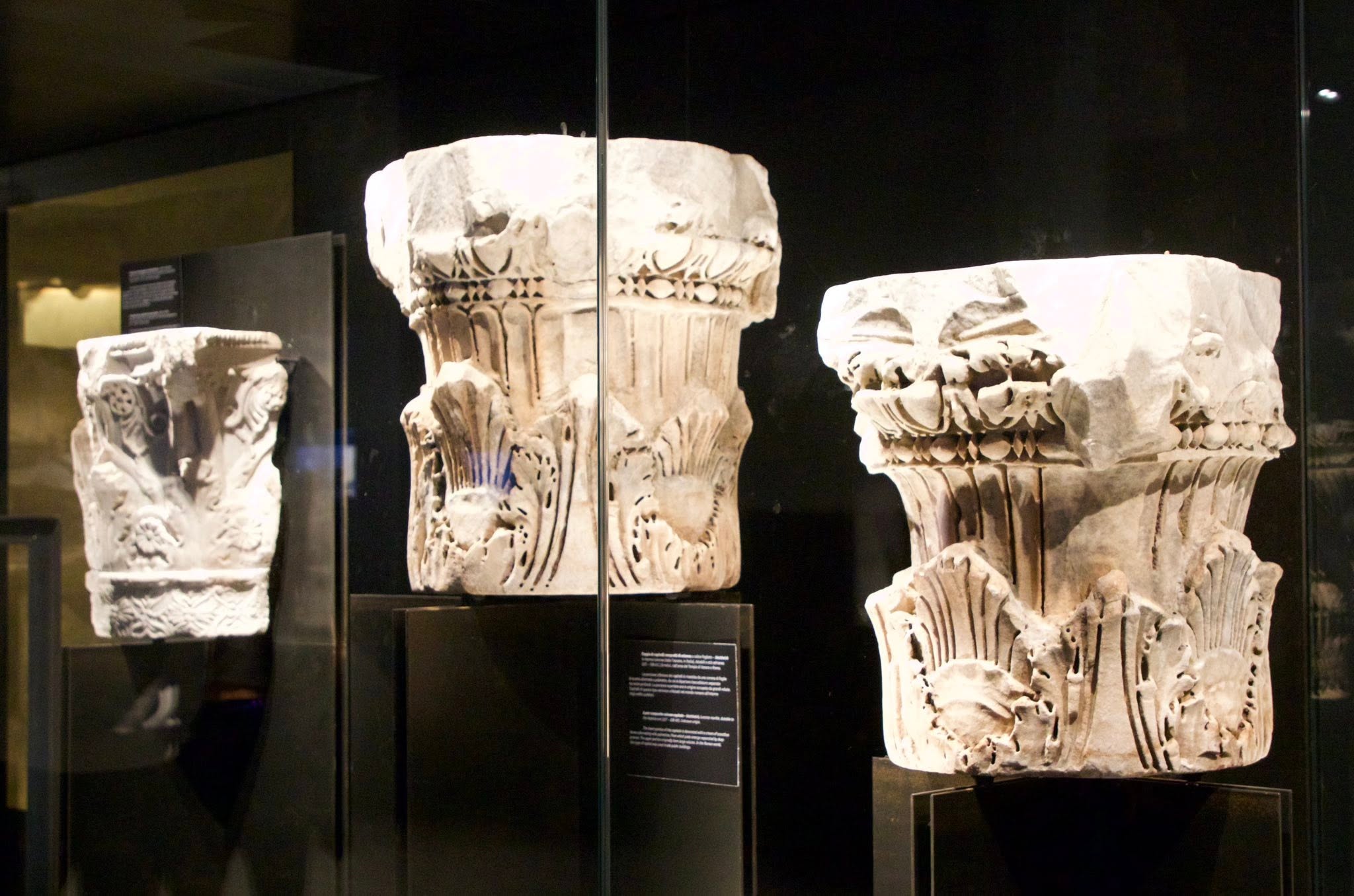 Metro C · San Giovanni · Archaeological Station
A station became an archaeological sequence.
San Giovanni became the first archaeological station of Rome's Metro C.
The archaeological investigation associated with its construction covered an area of approximately 3,000 square metres and explored a deep urban sequence.
Among the discoveries were the remains of a large agricultural complex dating to the early Imperial period and an exceptionally large water basin associated with the site's hydraulic system.
The discoveries changed more than the archaeological knowledge of the area.
They also became part of the station itself.
Construction and archaeology move at different rhythms.
The archaeological potential of the area must be understood as work progresses.
Archaeological deposits are investigated and documented rather than simply removed.
Discoveries are assessed to determine their significance and conservation requirements.
Engineering and architectural solutions may need to respond to what the excavation reveals.
Selected structures and finds can be conserved, repositioned or incorporated into museum displays.
The archaeological sequence can become part of how passengers understand the place through which they travel.
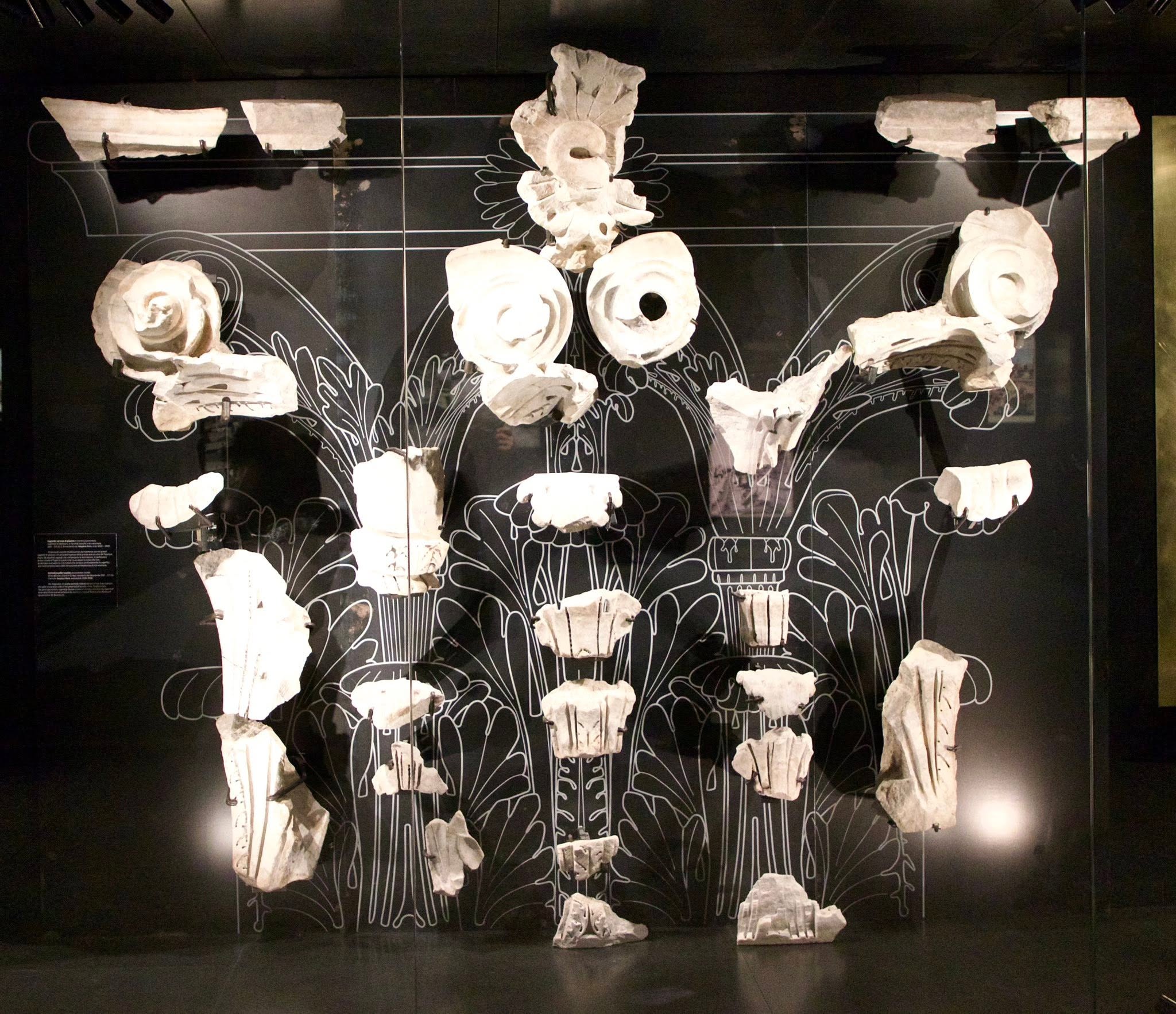 Metro C · Archaeology
Ancient City · Modern Infrastructure
A modern project can create a new section through the ancient city.
Large infrastructure projects create opportunities to investigate areas that would otherwise remain inaccessible beneath the contemporary city.
This does not mean that archaeology exists because the metro discovered it.
The archaeological sequence was already there. The construction project created the circumstances in which part of that sequence could be investigated, documented and interpreted.
At San Giovanni, excavation revealed evidence of a landscape that changed repeatedly long before the modern neighbourhood existed.
What is now a transport node therefore also preserves information about earlier uses of the same ground.
Archaeology can alter the architecture of the station.
Porta Metronia demonstrates how archaeological conditions can become part of the design of a contemporary station.
The station extends approximately thirty metres below ground and contains several underground levels.
Its organisation includes spaces dedicated to the presentation and repositioning of archaeological material alongside the technical and transport functions of the station.
The upper archaeological sequence also affected the excavation method used during construction.
Here archaeology is therefore not an object encountered outside the infrastructure. It becomes one of the conditions around which the infrastructure itself is organised.
Metro C · Archaeology Within the Station
The journey underground can also become a journey through time.
One response to the discoveries made during Metro C construction has been to incorporate archaeology into the public experience of the stations.
San Giovanni established this approach, while archaeological displays are also part of the conception of other stations along the central sections of the line.
This changes the relationship between infrastructure and archaeological heritage.
Instead of treating the remains only as an obstacle between street and platform, the station can become a place where the historical sequence of its site is interpreted.
Rome below ground is not exclusively ancient.
The underground city continues to change.
Ancient structures, geological formations, foundations, utilities, railway tunnels, technical spaces and modern infrastructure can occupy different parts of the same subsurface.
Metro C adds another chronological layer to that history.
This is an important correction to the idea of underground Rome as a world frozen in antiquity.
The ground beneath the city is still being used, engineered and transformed.
What makes Rome unusual is the density of the historical sequences through which those new interventions have to pass.
Metro C does not pass beneath the history of Rome. It becomes another part of it.
The construction of a metro line through Rome demonstrates that urban stratigraphy is not only a record of the past.
The city continues to create new structures, new cuts and new relationships within the ground.
The difference is that contemporary construction must now recognise, document and respond to the archaeological sequence already occupying that space.
The city is still building downwards.
Metro C makes visible an unusual encounter: archaeology documenting the city that already existed while engineering creates the infrastructure of the city still to come.
Return to Field Notes →Plan a private visit
Explore this subject through a private archaeological journey.
Tell us which place or question interests you and when you will be in Rome. We will check current access for your dates and, if needed, suggest a suitable alternative. Sending a request is not a confirmed booking.
Request a private archaeological journey →