
Burial Along the Roads of Ancient Rome
The roads leaving ancient Rome did more than connect the city with the wider Mediterranean world. Beyond the inhabited centre, their margins became landscapes of tombs, mausoleums and commemorative monuments.
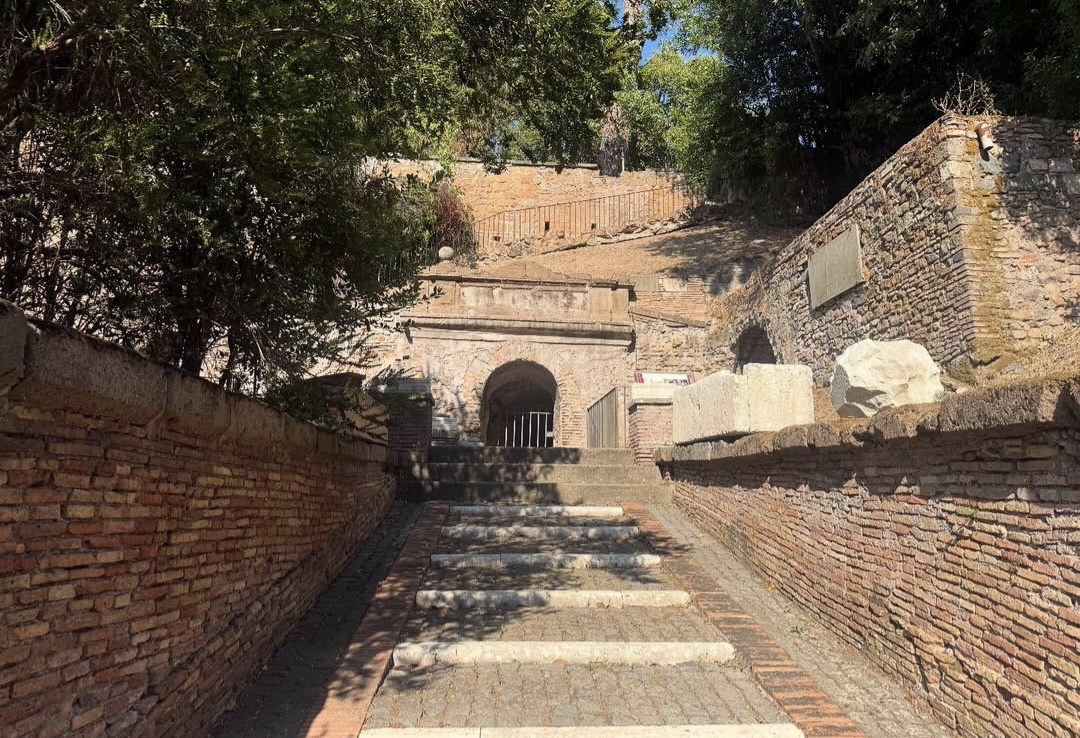 Tomb of the Scipios · Via Appia
A road could also be a landscape of memory.
Roman funerary space was closely connected with the routes leading into and away from the city. Tombs developed outside the inhabited urban core, frequently occupying land beside important roads.
This produced a landscape very different from the modern idea of a cemetery enclosed behind a wall. Funerary monuments could form sequences along routes travelled every day by residents, merchants, soldiers and visitors.
Their position mattered. A tomb beside a road could be seen, read and remembered. Architecture, inscriptions and images projected the identity of the deceased toward the people moving through the landscape.
The road therefore connected two forms of movement: the physical movement of travellers and the transmission of memory across generations.
The tomb was part of the landscape.
Roman funerary archaeology makes more sense when the tomb is read together with the road, the city boundary and the other monuments around it.
Outside the Urban Core
Burial areas developed beyond the inhabited centre, creating extensive funerary zones around the approaches to Rome.
Beside Movement
Road frontage gave funerary monuments an audience: the people entering and leaving the city.
Architecture as Memory
Tombs could communicate family identity, status and commemoration through architecture, inscriptions and decorative programmes.
Landscapes Over Time
Funerary zones were not created at once. New tombs, reuse and changing burial practices transformed them over generations.
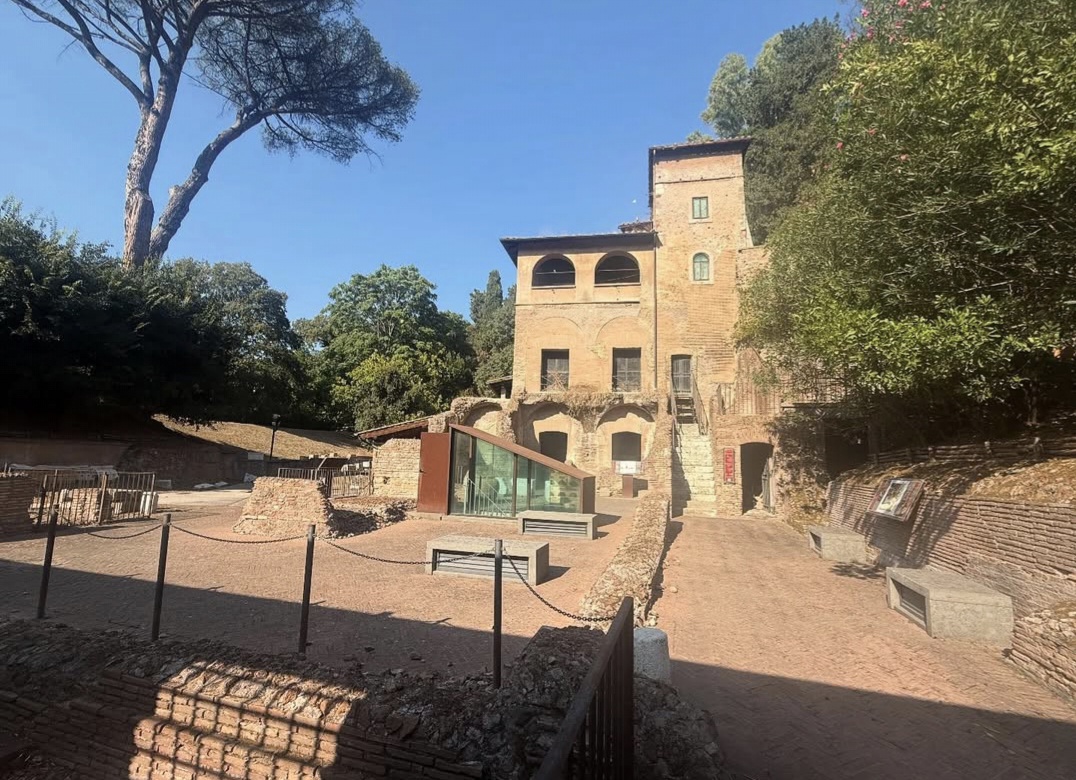 Case Study · Via Appia
The Scipios built a monument for a dynasty.
Near the beginning of the Via Appia stands one of the most important surviving family tombs of Republican Rome: the Tomb of the Scipios.
The principal monument was created at the beginning of the third century BC by cutting galleries directly into the local tuff. Its internal arrangement was subsequently expanded to accommodate the burials of members of the Scipionic family.
At the end of the principal gallery stood the sarcophagus of Lucius Cornelius Scipio Barbatus, consul in 298 BC. Its original is now preserved in the Vatican Museums.
The exterior was also part of the monument's message. During the second century BC the façade was reorganised, creating a monumental architectural front facing the world outside the tomb.
A necropolis is more than a collection of tombs.
To understand Roman burial archaeology, the individual monument has to be returned conceptually to the landscape of which it formed part.
The Road
An established route creates movement between Rome and its surrounding territory.
The Urban Margin
Land outside the inhabited centre becomes available for funerary use while remaining closely connected to people moving along the route.
The First Monuments
Individual tombs establish points of commemoration along the roadside.
Increasing Density
Additional burials and monuments gradually create larger funerary concentrations.
Reuse & Transformation
Burial practices, ownership and architecture change, while earlier monuments may remain visible or be reused.
The Modern City
Urban expansion eventually absorbs areas that once stood beyond the ancient inhabited centre.
A funerary landscape absorbed by modern Rome.
The Portuense sector preserves fragments of an extensive archaeological landscape associated with the ancient Via Campana-Portuensis.
Today those remains no longer appear as a continuous roadside necropolis. Modern construction has divided the ancient landscape into archaeological islands: tombs and road surfaces preserved inside buildings, gardens and other parts of the contemporary city.
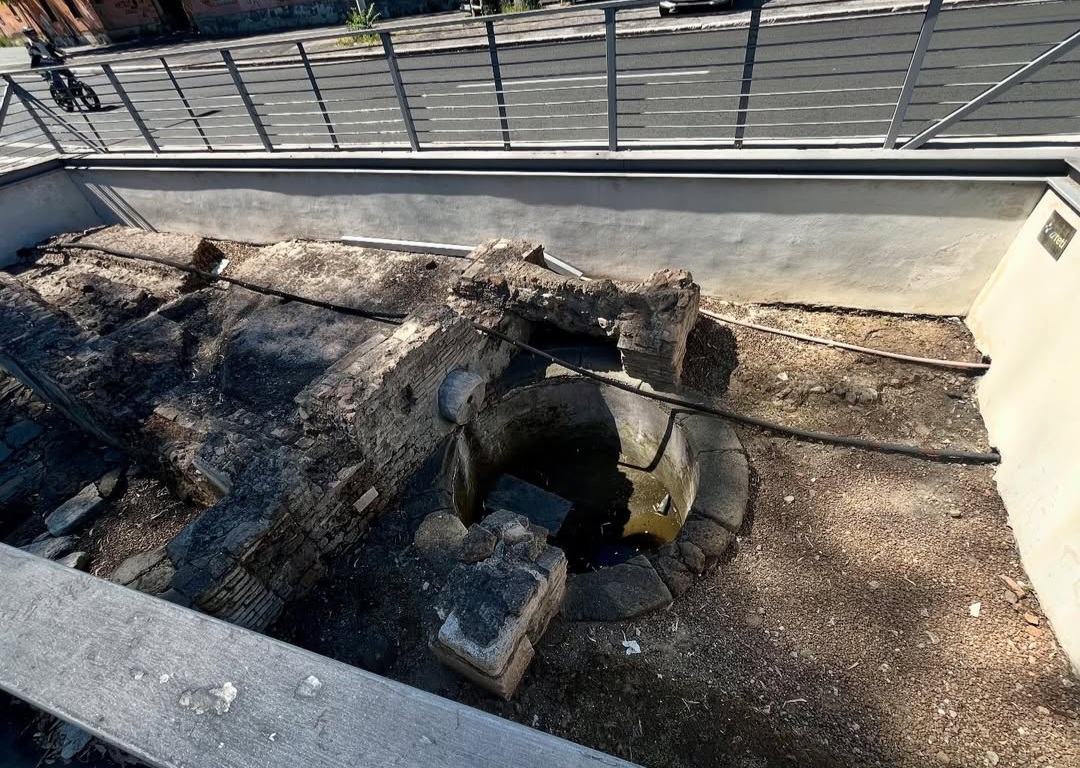
Drugstore Museum & Portuense Necropolis
Imperial funerary monuments survive within the modern urban fabric, preserving fragments of the ancient funerary corridor.
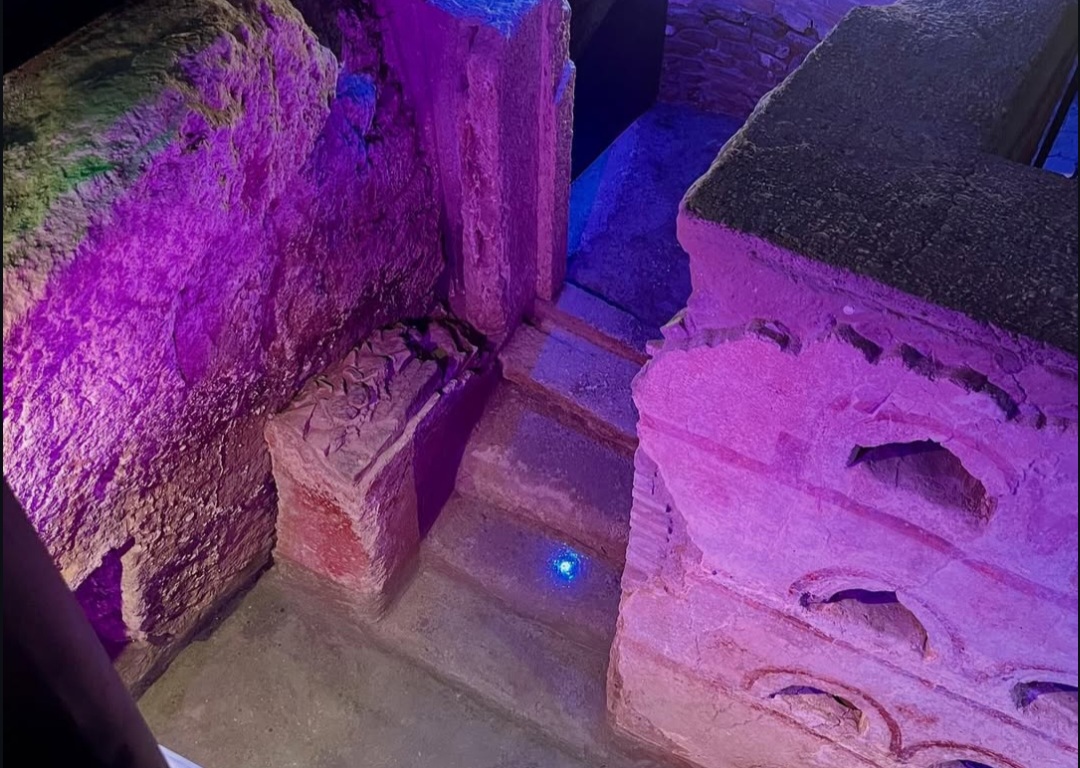
Fragments of a larger landscape
What appears today as an isolated archaeological site once belonged to a much broader relationship between road, burial and territory.
The funerary landscape continued beyond the monumental roads.
The archaeological remains preserved at Saulo provide another fragment of the funerary landscape associated with the Via Ostiense.
Its importance for reading the ancient city lies not only in the individual remains, but in their geographical context. The route toward Ostia passed through a territory in which funerary areas developed outside the urban centre.
Modern construction has radically altered that setting. The archaeological fragment now survives within a contemporary environment, separated visually from the ancient road landscape to which it belonged.
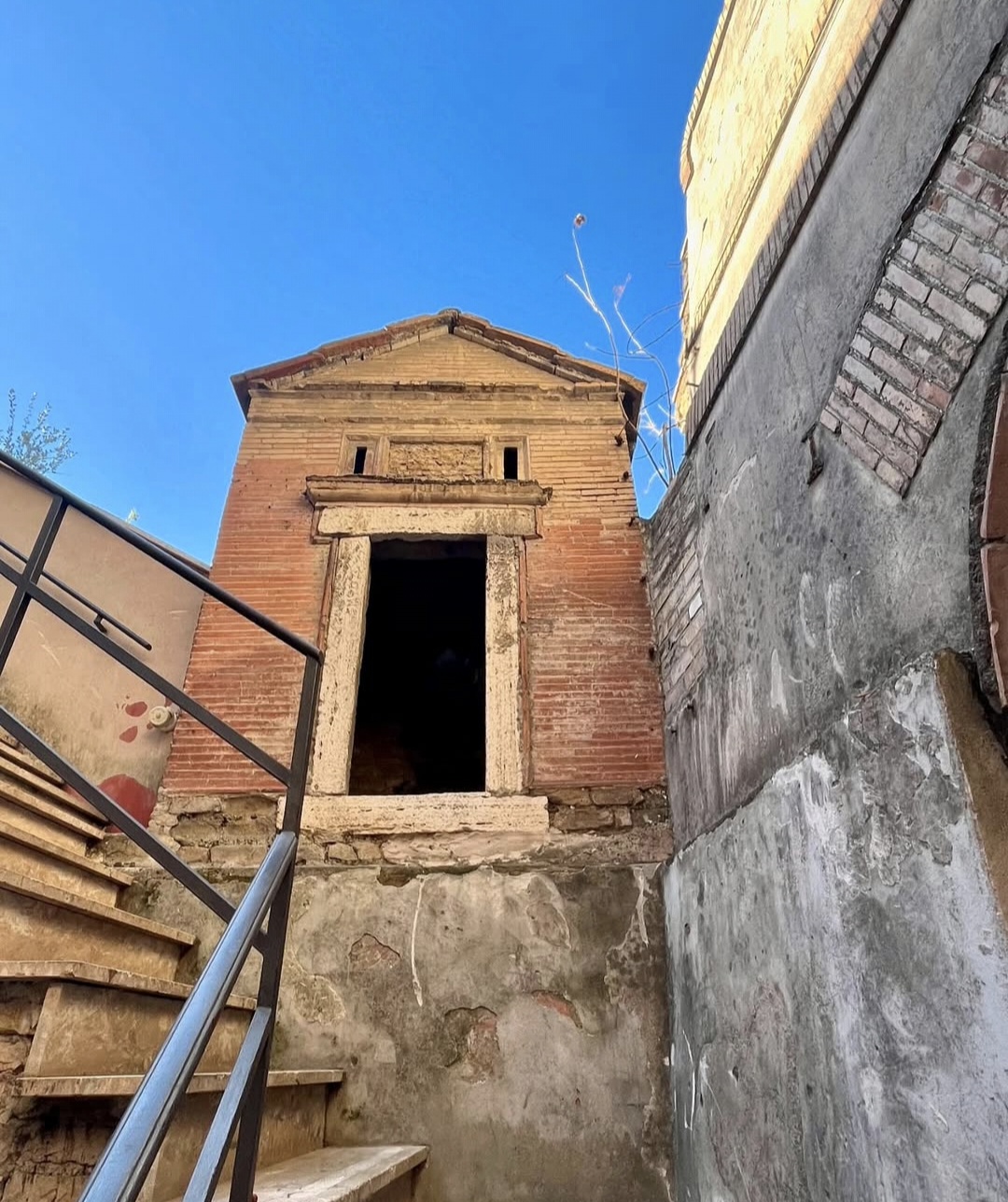 Roman Necropolis at Saulo · Via Ostiense
Rome expanded. The ancient outskirts became part of the modern city.
This is one reason funerary archaeology can appear in unexpected places today.
A Roman tomb now preserved in a basement, beside an apartment building or inside a commercial property does not mean that ancient Romans placed their dead inside a dense residential district comparable to the modern neighbourhood around it.
The relationship has reversed. The funerary monument remained while the city expanded far beyond the limits and landscapes familiar to the people who constructed it.
Reading Roman burial therefore requires reconstructing a geography that the contemporary city has largely erased.
Three fragments of Rome's funerary geography.
Explore the individual Places used in this Field Note and examine how each survives within a very different part of contemporary Rome.
Read ancient Rome through its roads and landscapes.
Funerary archaeology can become the starting point for a private journey connecting monuments with the ancient routes and territories that gave them meaning.
Tell us your dates and interests. The route can be developed around the archaeological places that can genuinely be accessed during your stay.