
Tomb of the Scipios
A Republican family wrote its memory into the rock.
At the beginning of the third century BC, a burial complex was excavated into the tuff beside the newly established Via Appia.
It belonged to the Scipios, one of the most prominent branches of the gens Cornelia. The earliest monumental phase is associated with Lucius Cornelius Scipio Barbatus, consul in 298 BC.
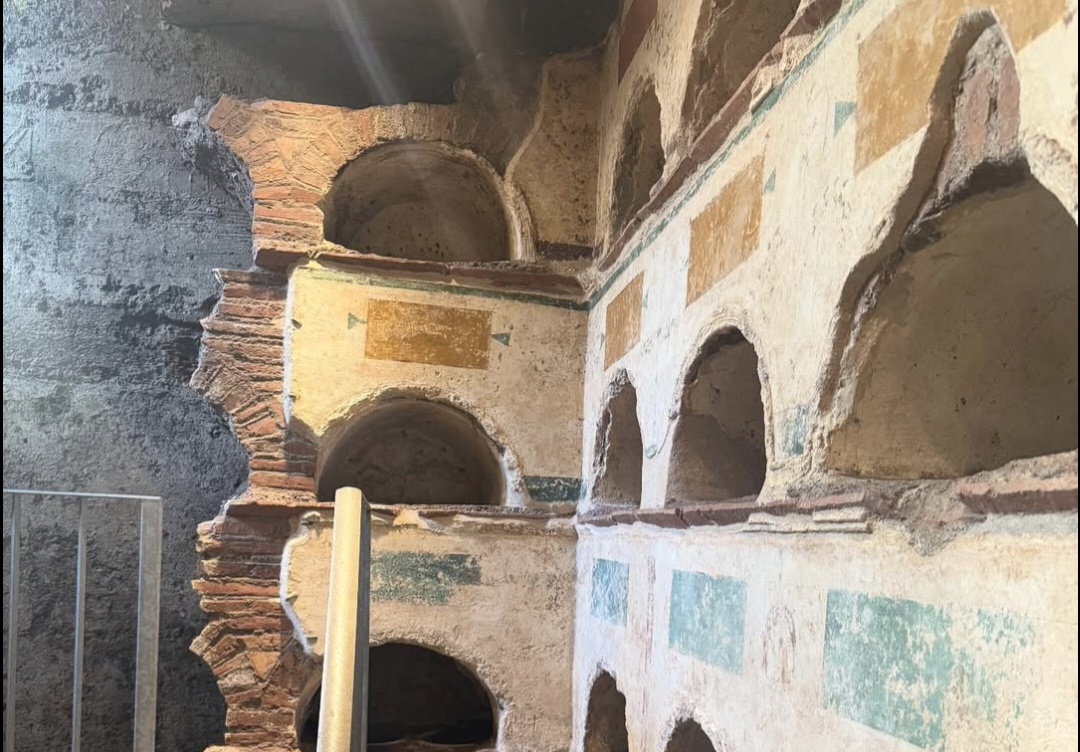
Unlike a freestanding mausoleum, the principal burial structure was created within the hill itself. Galleries, pillars and recesses for sarcophagi were cut and organised inside the geological mass.
Architecture and landscape are therefore inseparable here: the monument exists because the tuff could itself become structure, wall and burial space.
The hill was turned into a system of burial galleries.
The original monument has an approximately square plan. Four substantial pillars divide the interior into six galleries: four running around the sides and two intersecting through the centre.
Recesses cut into the walls accommodated sarcophagi. Some were assembled from slabs of tuff; others were carved from squared blocks.
The organisation is highly controlled. This is not a naturally occurring cavity subsequently adapted for burial, but a planned architectural interior excavated from the hill.
The position of the burials also created an internal hierarchy, with the sarcophagus of Scipio Barbatus occupying a prominent position at the end of the central gallery opposite the entrance.
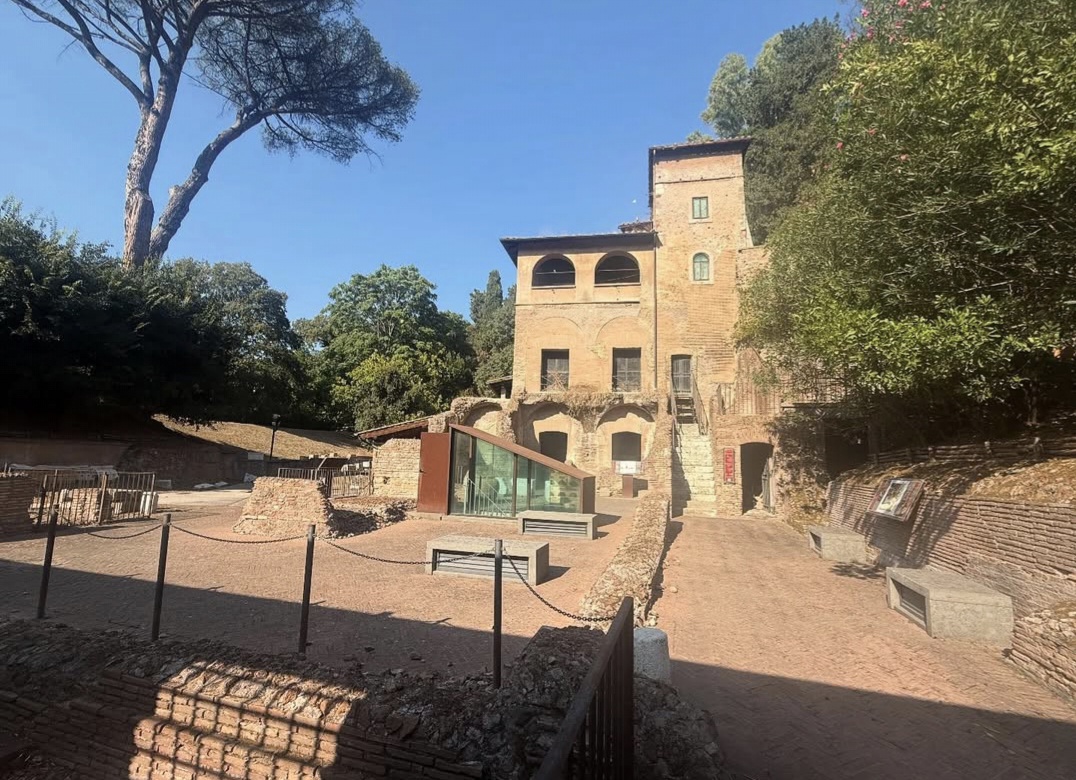
The rock is not around the monument. The rock is the monument.
Subterranean architecture can be created in fundamentally different ways. Some structures become buried because ground levels rise around them. Others are constructed below an existing surface.
The Tomb of the Scipios belongs to another category: architecture produced by excavation. Removing material from the tuff generated the galleries, pillars, walls and spaces required by the funerary programme.
Tuff
The geological bank provides the material body within which the sepulchre is organised.
Galleries
Excavation creates circulation routes and access to the individual burial positions.
Sarcophagi
Burials and inscriptions transform the architectural system into a record of family identity.
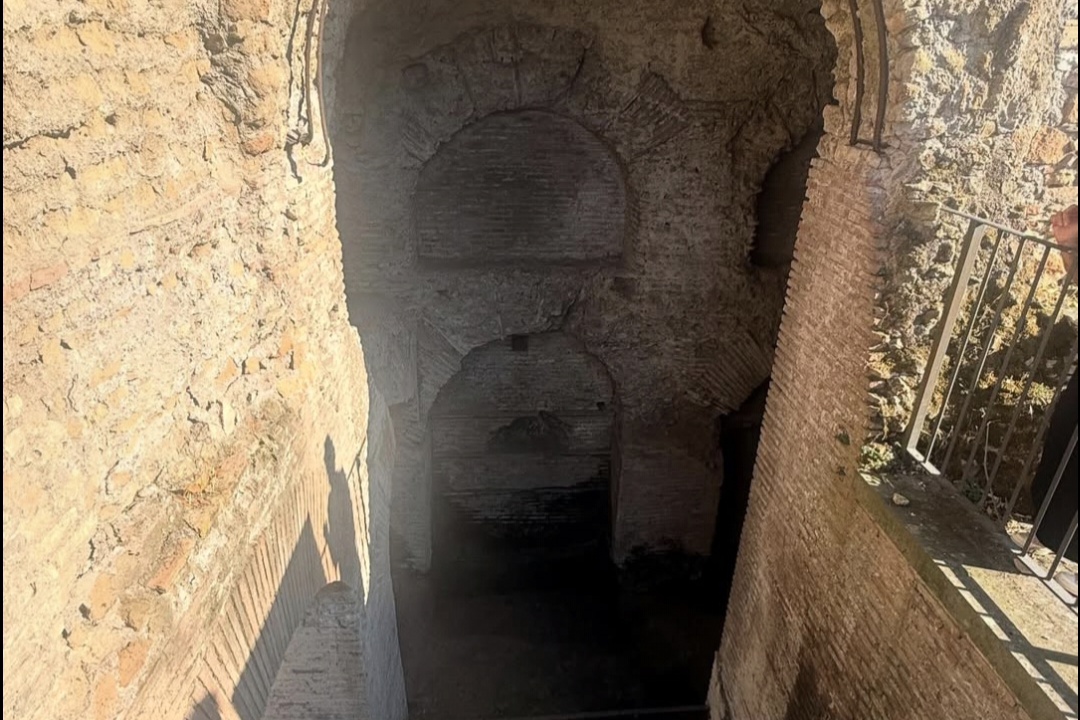
The founder occupied the focal point of the tomb.
Lucius Cornelius Scipio Barbatus, consul in 298 BC, is associated with the establishment of the monumental family sepulchre.
His sarcophagus stood at the far end of the principal gallery, facing the entrance. Its architectural form and inscription made it one of the defining elements of the interior.
The original sarcophagus and the inscriptions removed from the monument are now preserved in the Vatican Museums. The sarcophagus visible at the original position within the tomb is a copy.
The inscriptions turned genealogy into public language.
The funerary inscriptions associated with the Scipios are among the most important surviving written documents connected with elite Republican Rome.
Names, offices and achievements allowed individual burials to participate in a larger narrative of the family.
The tomb therefore worked on two levels. It contained the dead, but it also organised memory: architecture and text connected successive generations to an established political lineage.
This relationship between burial, inscription and ancestry makes the monument a material record of how an aristocratic Roman family represented itself.
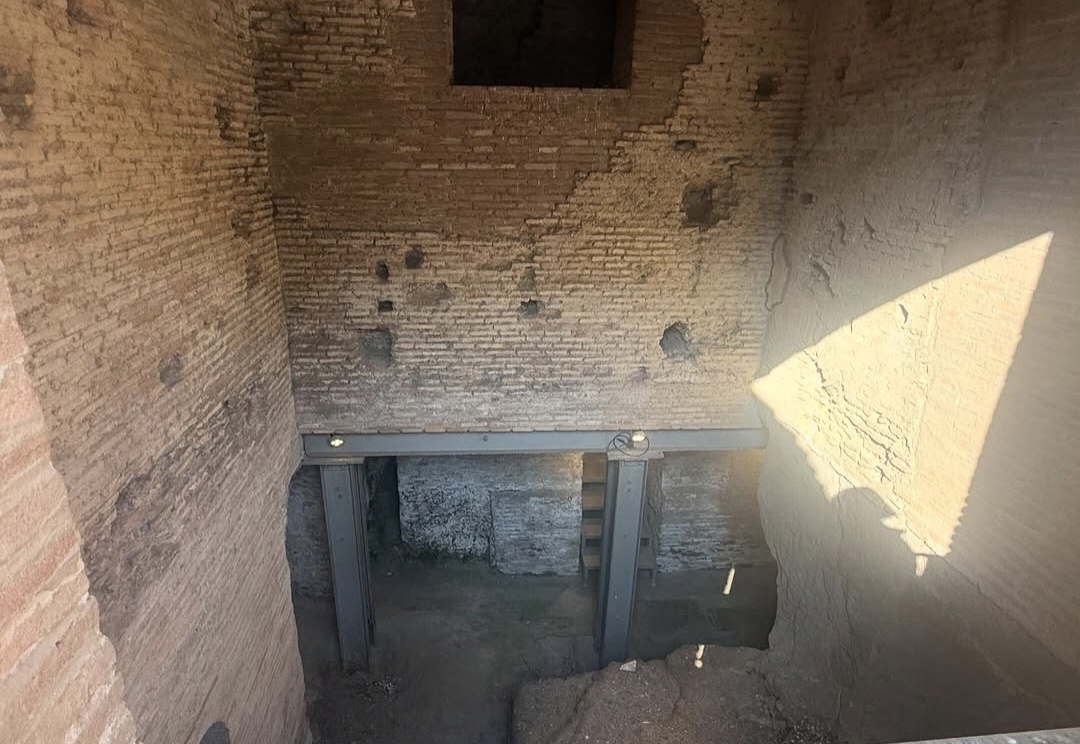
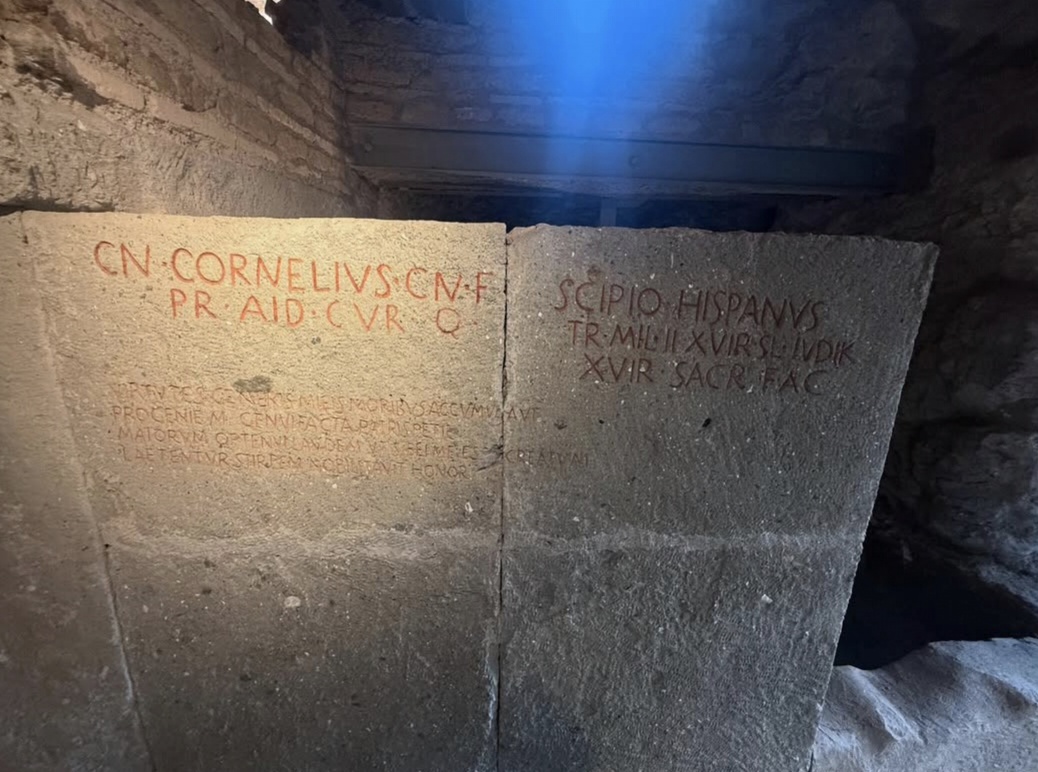
A family tomb that had to change as generations accumulated.
Initial nucleus
The principal hypogeum was established in the early third century BC around the burial of Scipio Barbatus.
Successive burials
Further members of the family occupied burial positions throughout the original system of galleries.
New gallery
Around 150 BC another gallery was excavated on the side facing the Appian Way, with an independent entrance.
Later reuse
The final two burials date to the beginning of the first century AD, when the Cornelii Lentuli reused the complex.
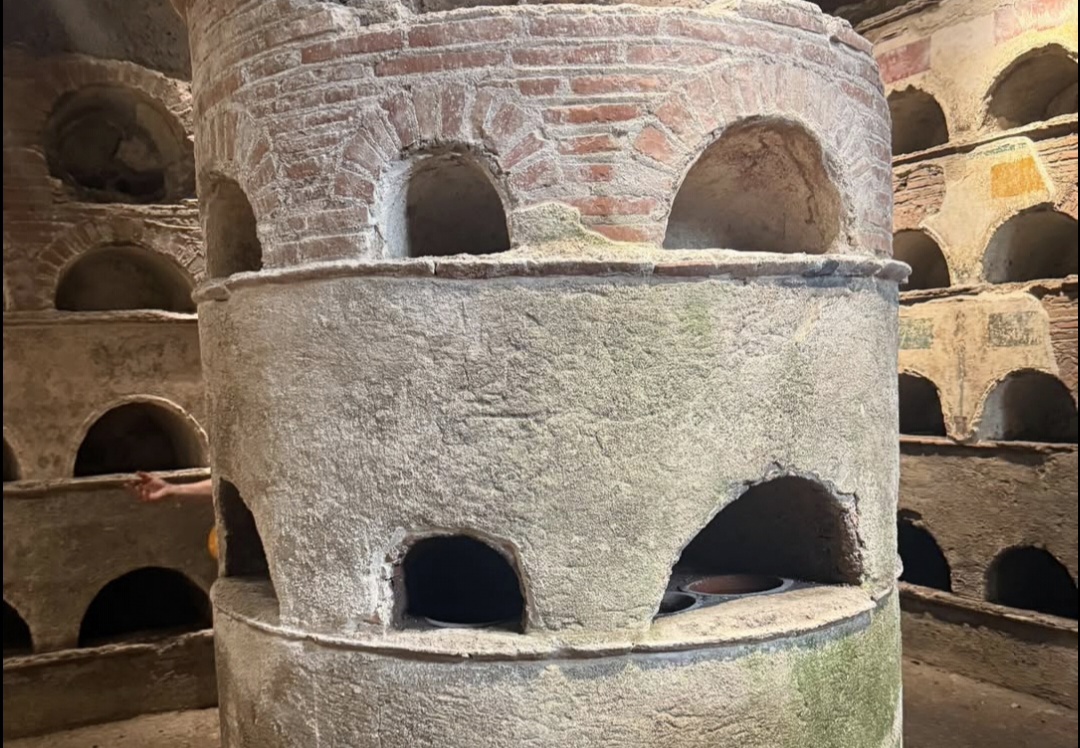
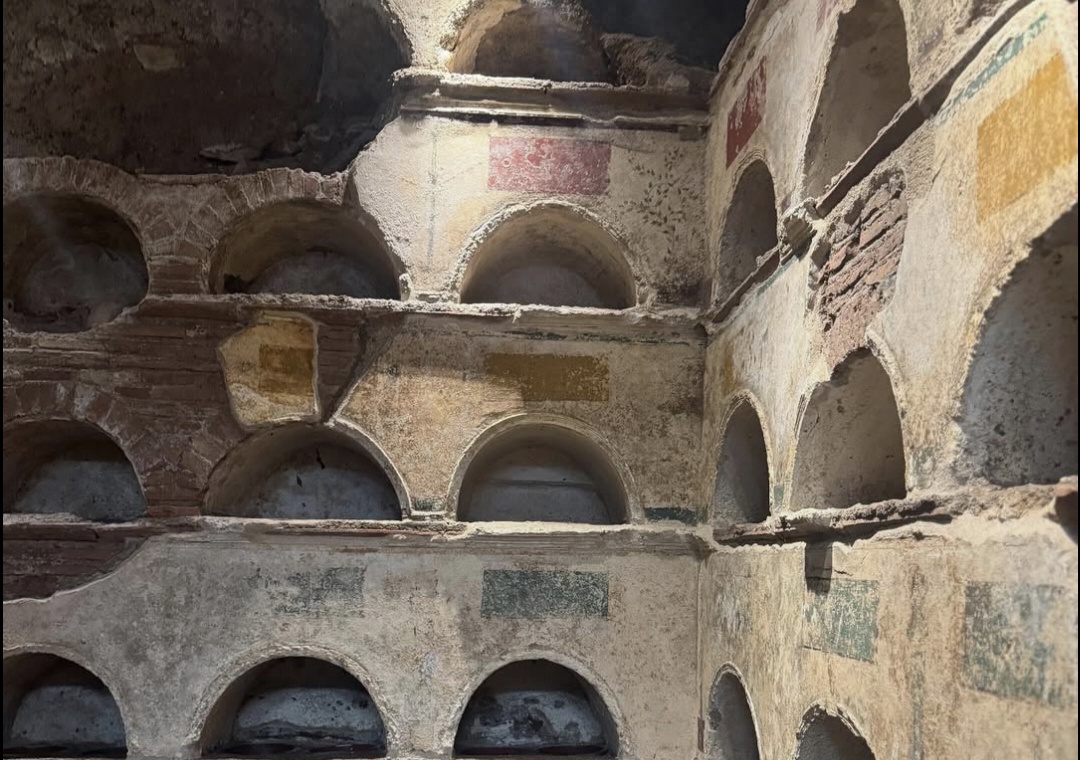
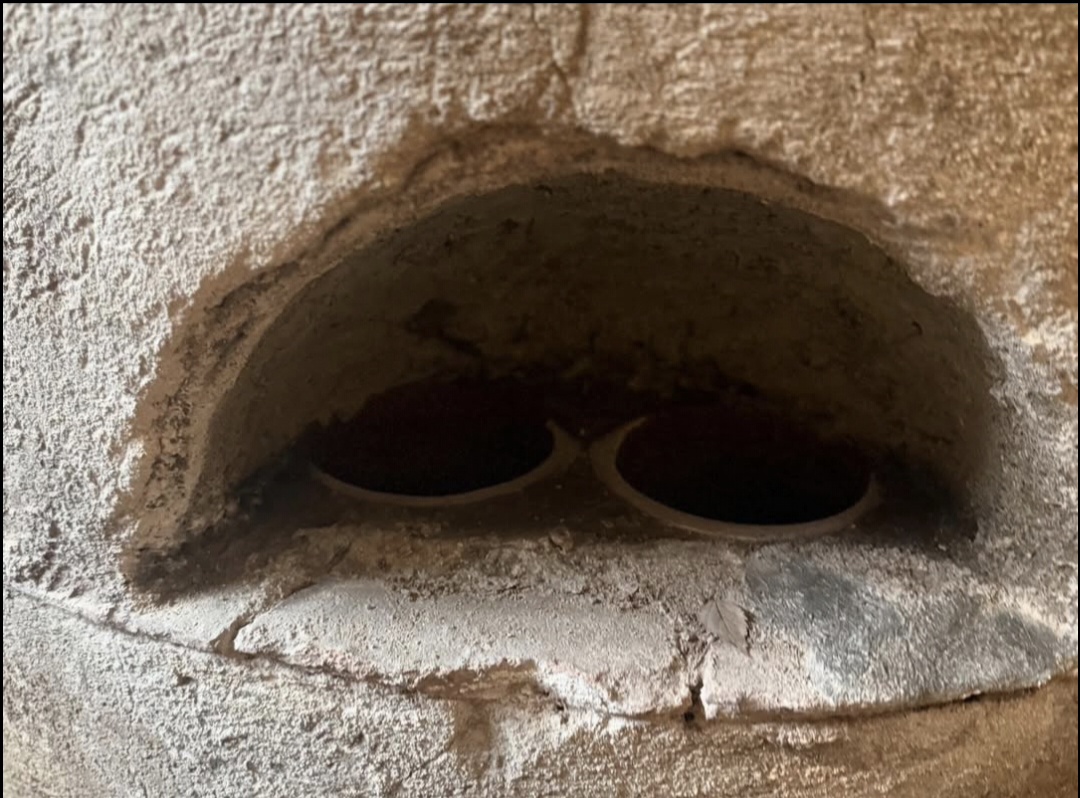
Scipio Africanus was not buried here.
The name of the monument naturally suggests Publius Cornelius Scipio Africanus, victor over Hannibal in the Second Punic War. Yet the famous general is not among the family members known to have been buried in this sepulchre.
Ancient literary sources place his burial at his villa at Liternum in Campania. The distinction matters because the Tomb of the Scipios is not the tomb of a single celebrated individual: it is a multi-generational family monument.
A vineyard cellar reopened a Republican family archive.
An earlier discovery is documented in 1614, but the major rediscovery occurred in 1780. The Sassi brothers, priests who owned the vineyard above, encountered an entrance while enlarging the cellar of their property.
Inscribed and figured material was subsequently removed, while the monument itself became a destination for scholars and Grand Tour visitors. Between 1926 and 1929 the area was extensively excavated and reorganised after acquisition by the Municipality of Rome.
The archaeological area continued to change long after the Scipios.
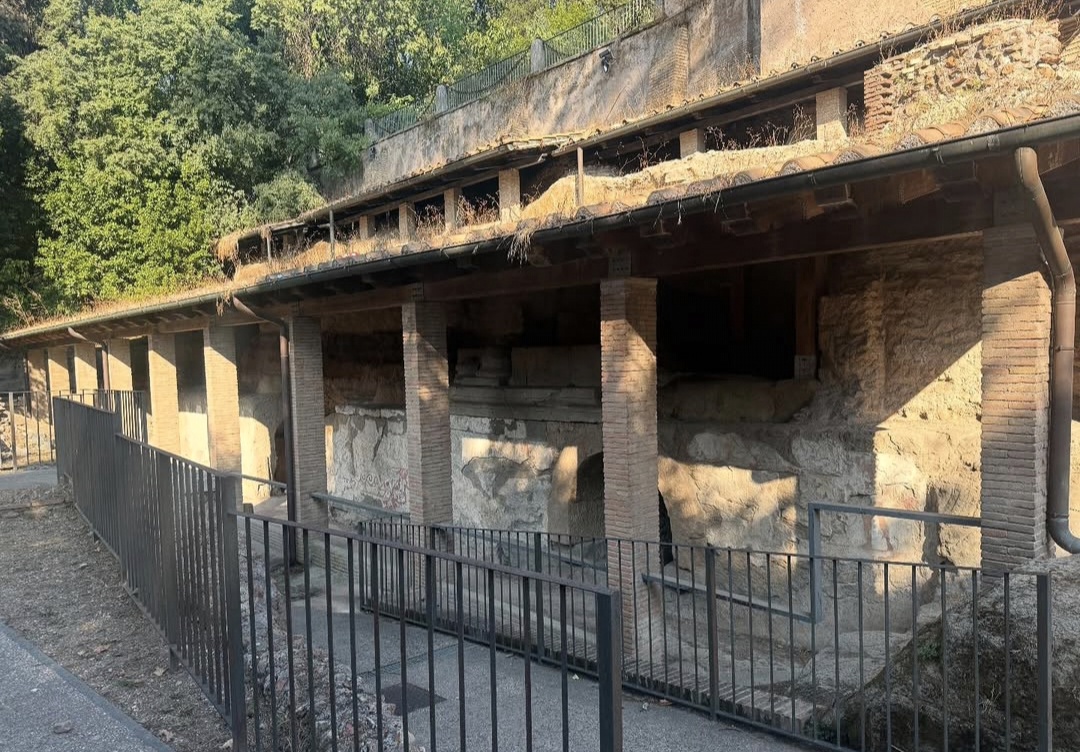
The archaeological area preserves more than the Republican sepulchre. Other funerary structures developed along the Appian corridor, including Republican tombs and a painted columbarium.
During the Imperial period a substantial building was erected against and above the hill. Later funerary structures and a small catacomb further altered the site.
A lime kiln cut into the tuff provides evidence of another transformation: ancient marble and travertine could be burnt to produce lime for later construction.
The site therefore extends beyond the history of one Republican family and records the changing use of this section of the Appian landscape into Late Antiquity and the Middle Ages.
A small subterranean monument with controlled entry.
The Tomb of the Scipios is managed by the Sovrintendenza Capitolina ai Beni Culturali. Access to the interior is controlled and reservation arrangements should be checked before planning a visit.
Recent official visits have operated with small groups because of the physical characteristics of the site. Protective helmets are required inside the sepulchre and are provided on site.
Institutional Sources
Alessandro Tanzilli
The photographs documenting the Tomb of the Scipios on this page are by Alessandro Tanzilli. @alessandrotanz_
Design Your Journey
Underground Rome creates private archaeological journeys selected around your interests, available access and time in the city.
Design Your Journey →Underground Rome is the specialist archaeological project of Rome Private Experience. Corporate programmes, incentive travel and complex private arrangements are managed through Rome Private Experience.
Rome Private Experience →