
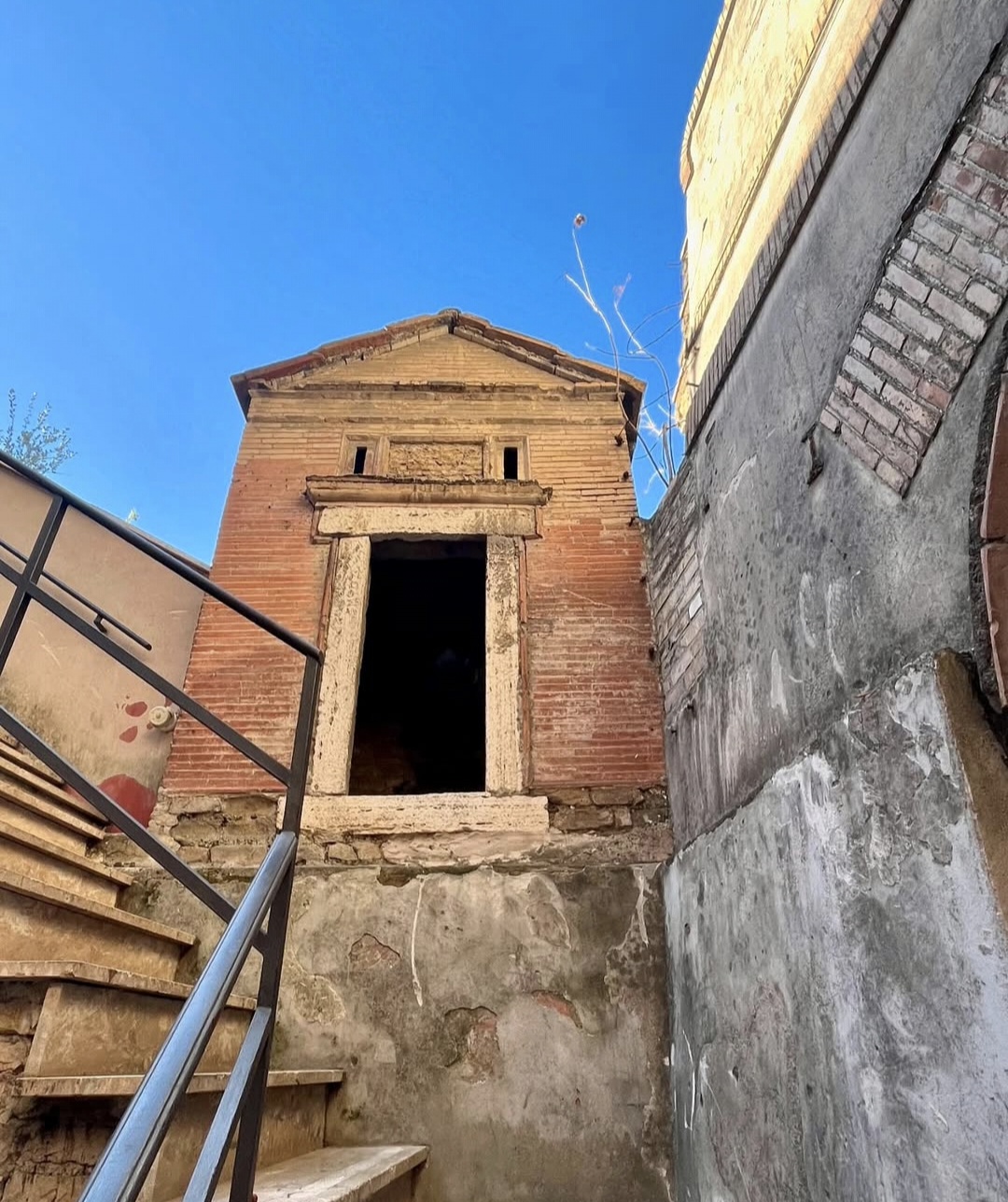
Roman Necropolis at Saulo
A fragment of a much larger funerary landscape.
The archaeological remains preserved at Saulo belong to the extensive Roman burial landscape that developed along the ancient Via Ostiense.
Today they occupy an unexpected setting: within the premises of a contemporary restaurant at Via Ostiense 251, directly opposite the monumental complex of San Paolo fuori le Mura.
Their survival makes visible something that is otherwise easy to forget in the modern district: before the basilica became the dominant monument of this landscape, the road was bordered by burial grounds extending across a broad area outside Rome.
Roman burial grounds developed along the route toward Ostia.
The Via Ostiense connected Rome with Ostia and the mouth of the Tiber. Like other major roads leaving the ancient city, its margins became important areas for burial.
Roman law and custom placed funerary monuments outside the inhabited civic centre, producing long sequences of tombs along the principal roads.
Around San Paolo, the funerary landscape extended through the alluvial plain between the river and the surrounding higher ground.
The modern city has covered or incorporated much of this landscape, but archaeological discoveries continue to reveal portions of it at different points along the ancient route.
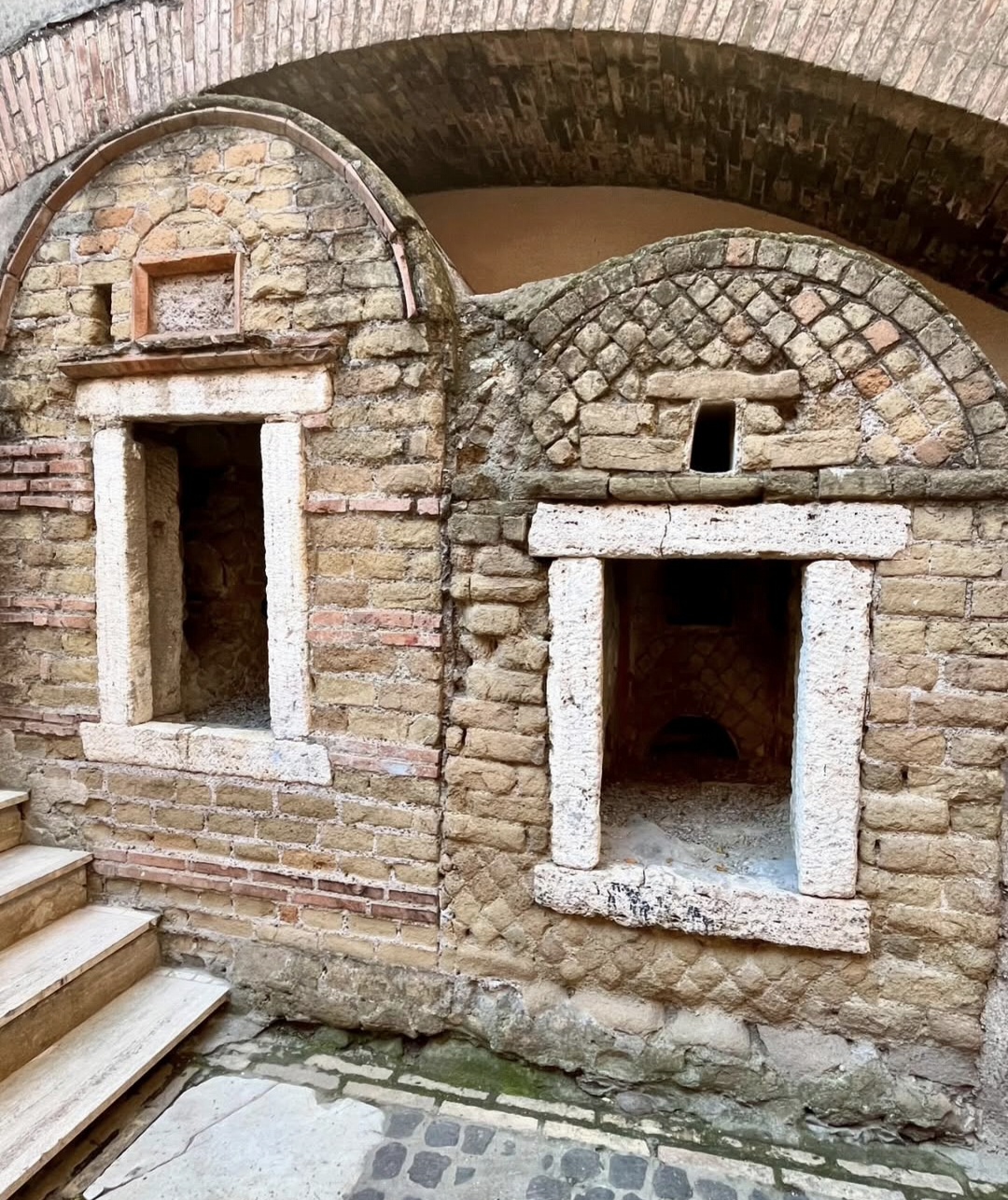
The basilica itself developed within this ancient landscape of burial.
The importance of the Ostiense necropolis extends far beyond the individual tombs that remain visible today.
According to the ancient Christian tradition associated with the site, Paul was buried within the funerary area beside the Via Ostiense after his martyrdom.
The first Christian memorial and, later, the great basilica developed around the place identified with his burial.
The funerary landscape therefore preceded the monumental Christian complex and is fundamental to understanding why the basilica occupies this particular point outside ancient Rome.
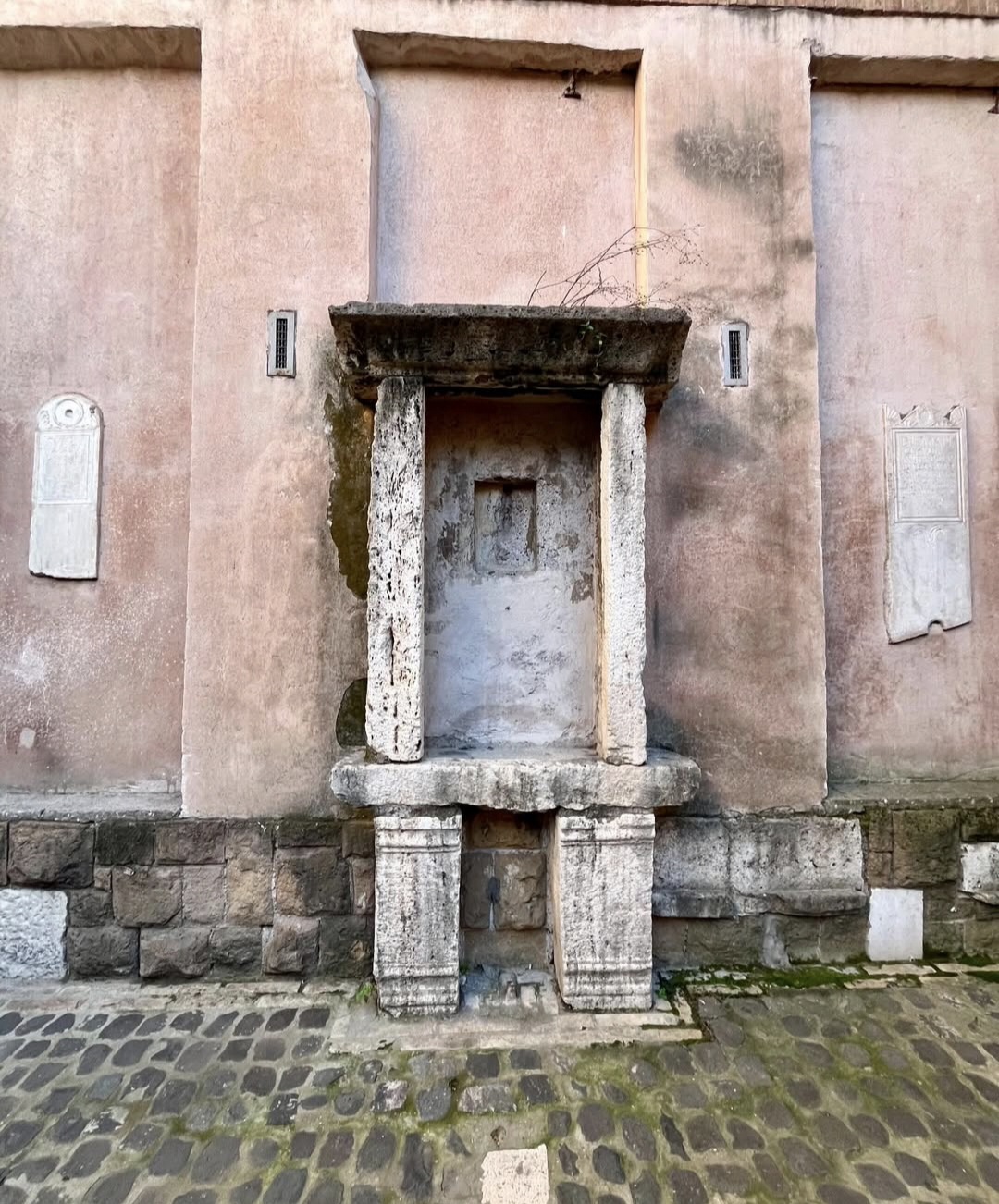
The ancient structures were incorporated rather than erased.
What makes this particular fragment especially useful for the Underground Rome Atlas is its relationship with the modern building around it.
The archaeological structures are not isolated within a conventional museum. They survive inside a functioning contemporary property.
Ancient funerary architecture and modern activity therefore occupy the same physical address — a small but revealing example of the way archaeological remains continue to shape buildings across Rome.
The tombs were designed to be encountered from the road.
Roman roadside necropolises were not concealed cemeteries. Tombs occupied visible positions beside routes used by people entering and leaving the city.
Architecture, inscriptions and commemorative practices transformed these roads into landscapes of family and individual memory.
The surviving remains at Saulo should therefore be read as part of a much larger spatial system rather than as an isolated archaeological monument.
Their original context was the road and the other burials extending along and around it.
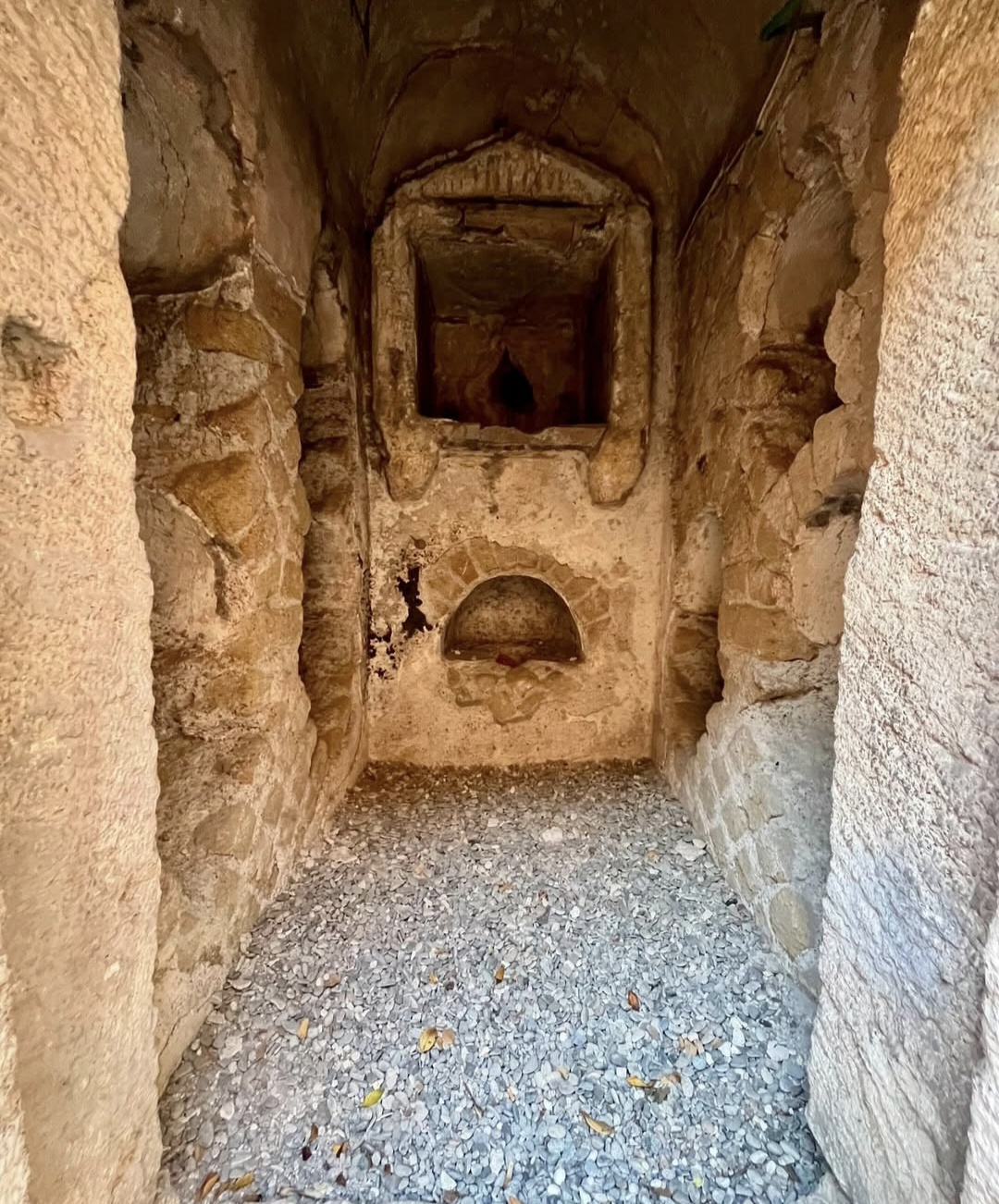
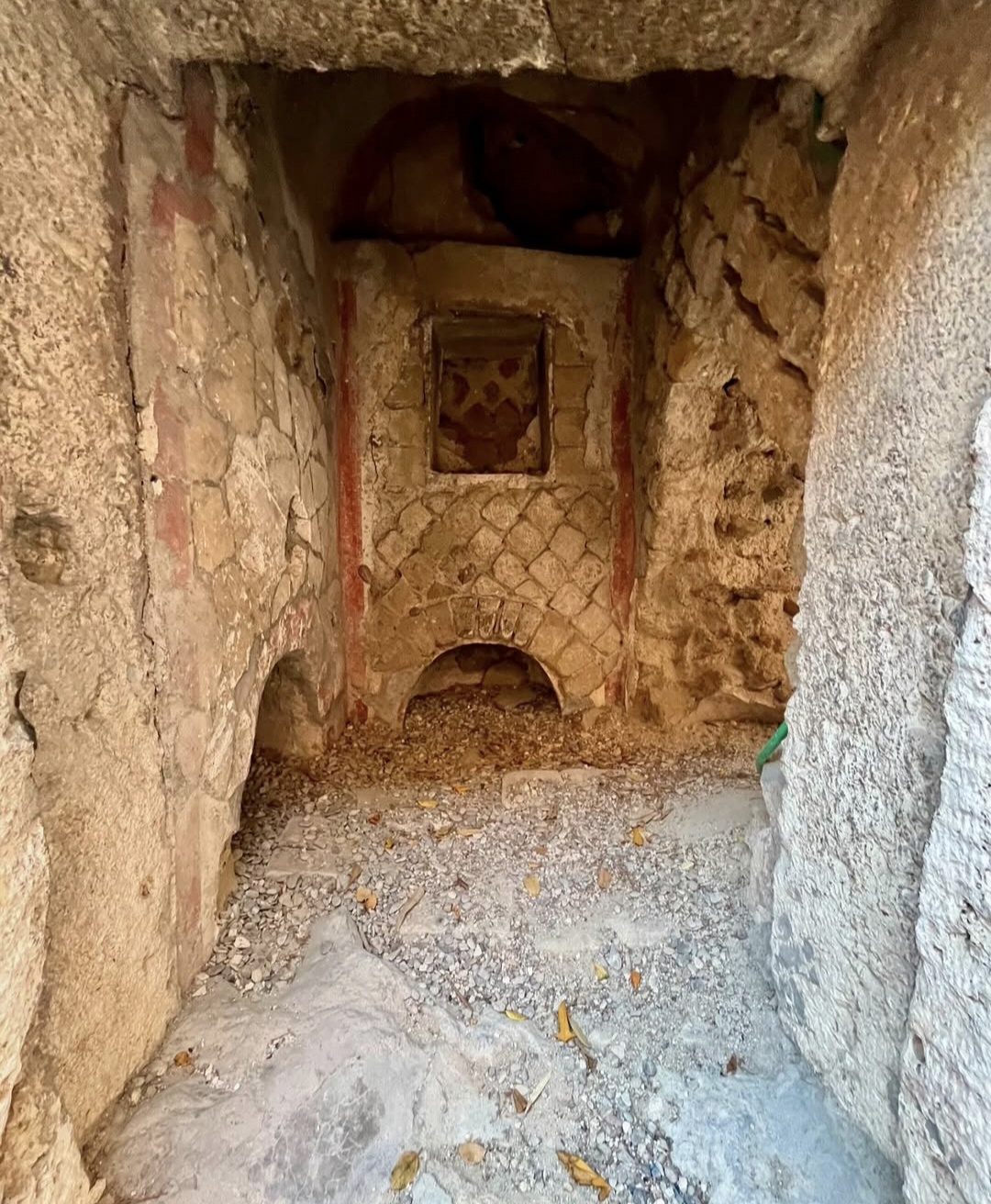
The restaurant is modern. The funerary landscape around it began almost two thousand years earlier.
The archaeological remains at Via Ostiense 251 preserve one visible fragment of a necropolis that extended across a much larger area around the ancient road.
Modern streets and buildings now divide what was once one archaeological territory.
Archaeological remains associated with the Ostiense burial grounds survive at several points around San Paolo.
Some are visible in dedicated archaeological areas; others remain underground; still others have been incorporated into later buildings and properties.
The Sovrintendenza Capitolina notes that the full extent of the ancient necropolis has never been completely defined and that substantial portions are believed to remain in the subsurface.
Saulo therefore represents one window into a much larger archaeological system rather than the boundary of the necropolis itself.
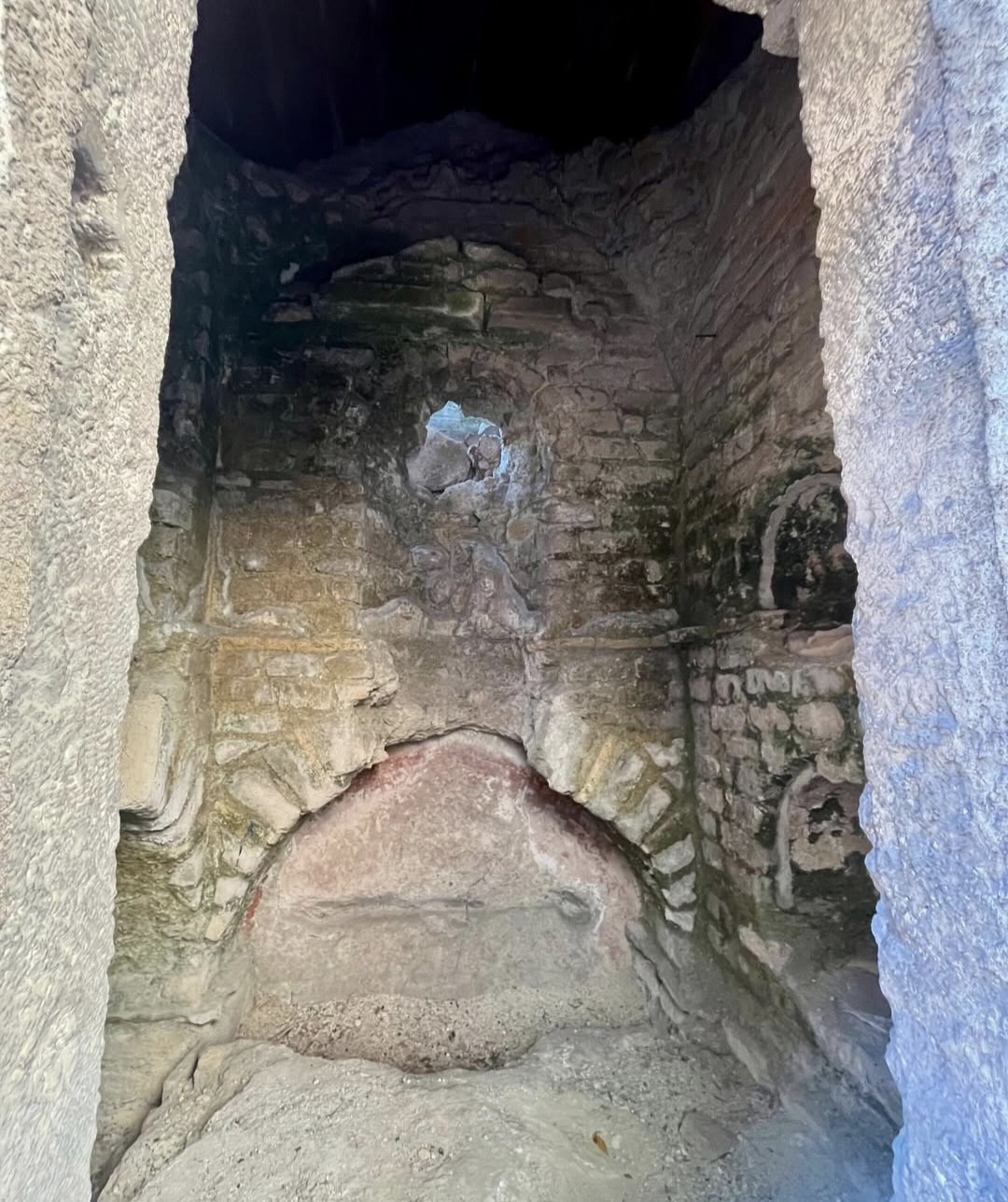
One ancient landscape now appears as several different archaeological sites.
The archaeology preserved at Saulo should not be confused with the archaeological area inside the complex of San Paolo fuori le Mura.
That site preserves important evidence associated especially with the early medieval monastic complex beside the basilica.
Here, the focus is the Roman funerary landscape of the Via Ostiense.
Their proximity is precisely what makes this part of Rome archaeologically remarkable: Roman burial, the development of Christian pilgrimage, medieval monastic occupation and the modern city all converge within a very small area.
Archaeology inside a functioning contemporary venue.
The archaeological remains are located within Saulo, a restaurant and cocktail bar at Via Ostiense 251.
This is not a conventional state archaeological museum with an independent archaeological admission schedule.
Anyone interested specifically in viewing the remains should therefore verify current access directly with the venue before making a dedicated journey.
Sources
Alessandro Tanzilli
Photography documenting the archaeological remains at Saulo on this page is by Alessandro Tanzilli. @alessandrotanz_
Design Your Journey
Underground Rome creates private archaeological journeys selected around your interests, available access and time in the city.
Design Your Journey →Underground Rome is a specialist project by Rome Private Experience .