Underground Rome · Archaeological Journal

Field Notes

Essays on the physical development of Rome: changing ground levels, urban stratigraphy, ancient infrastructure, funerary landscapes and the archaeological evidence preserved within the contemporary city.

Archaeological evidence preserved below the present city of Rome
Notes on Urban Archaeology
Rome can be read vertically as well as chronologically.
Rome · Stratigraphy · Urban Archaeology
02 / FIELD NOTES
Reading the Physical City

Archaeology begins with relationships.

Rome has repeatedly altered its own physical environment. Buildings were constructed and dismantled. Streets were resurfaced. Valleys accumulated deposits. Earlier structures were incorporated into later architecture, while other spaces were filled, abandoned or reused.

Field Notes examines those processes rather than individual monuments alone: changing ground levels, archaeological depth, ancient infrastructure, funerary geography, reuse and the relationship between archaeological evidence and the city that developed around it.

The result is an evolving journal for understanding the physical development of Rome.

04 · The Journal

Questions about Rome's physical history.

Each essay approaches the archaeological city from a different angle: depth, structures, water engineering, stratigraphic method, infrastructure, architectural transformation, funerary geography and the coexistence of ancient remains with contemporary Rome.

Archaeological levels at different elevations in Rome

How Deep Is Ancient Rome?

There is no universal depth for ancient Rome. Archaeological elevations vary according to topography, accumulation and the development of each part of the city.

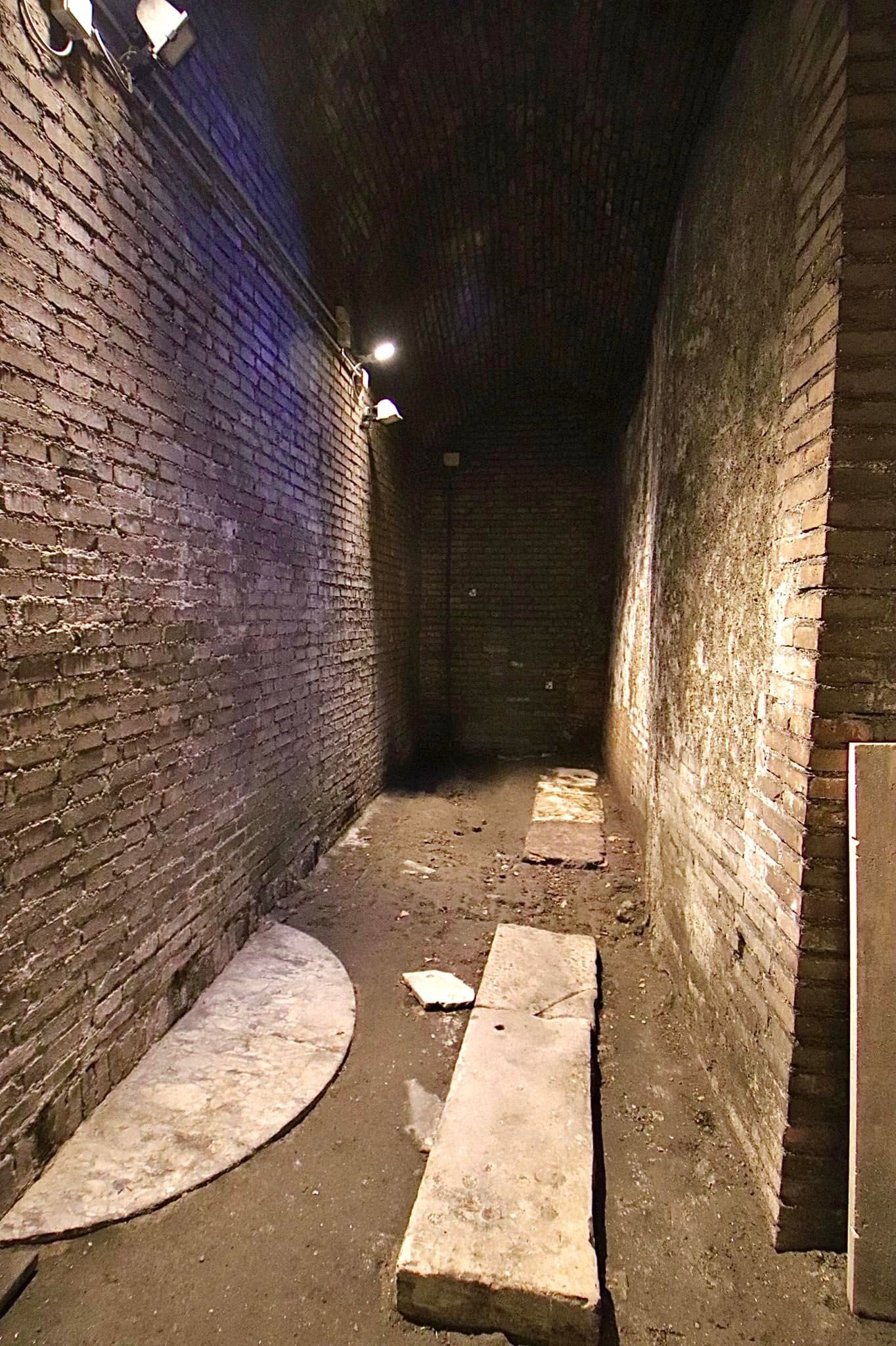
Subsurface structures forming part of Rome's urban archaeology

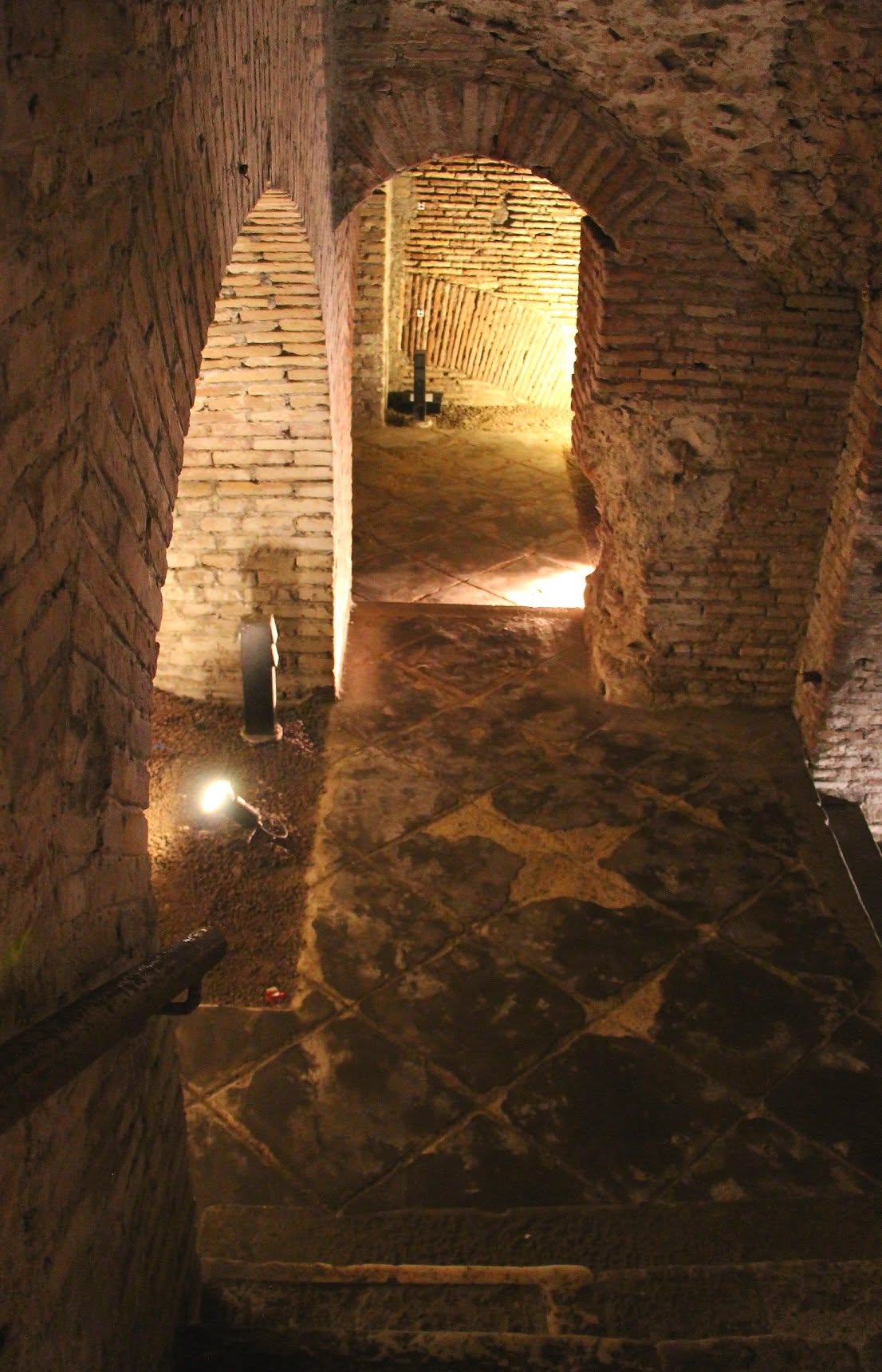
What Lies Beneath the Streets of Rome?

Earlier streets, buildings, hydraulic structures, quarries, hypogea and modern infrastructure occupy different parts of Rome's subsurface.

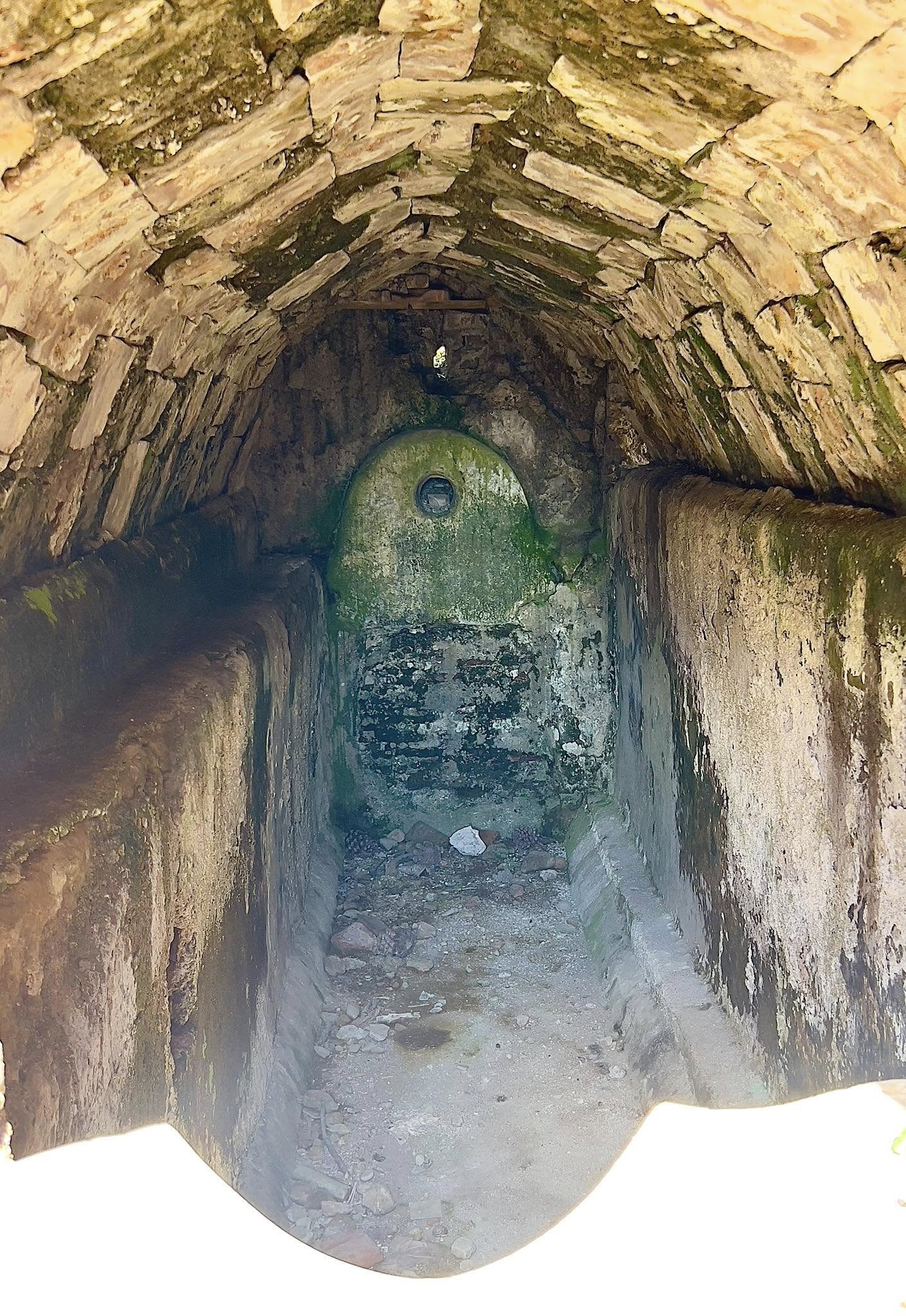
Ancient Roman cistern illustrating hydraulic engineering

The Underground Water Systems of Ancient Rome

Aqueducts formed part of a much larger hydraulic network of channels, distribution structures, cisterns, drains and engineered gradients.

Archaeological structures illustrating successive phases of construction in Rome

How Archaeologists Read the Layers Beneath Rome

Deposits, cuts, walls, floors, fills and construction phases acquire meaning through their relationships. Stratigraphy allows those sequences to be reconstructed.

Archaeological work associated with Metro C construction in Rome

Building Metro C Through an Archaeological City

Constructing new infrastructure in Rome means working through ground already occupied by earlier phases of the city.

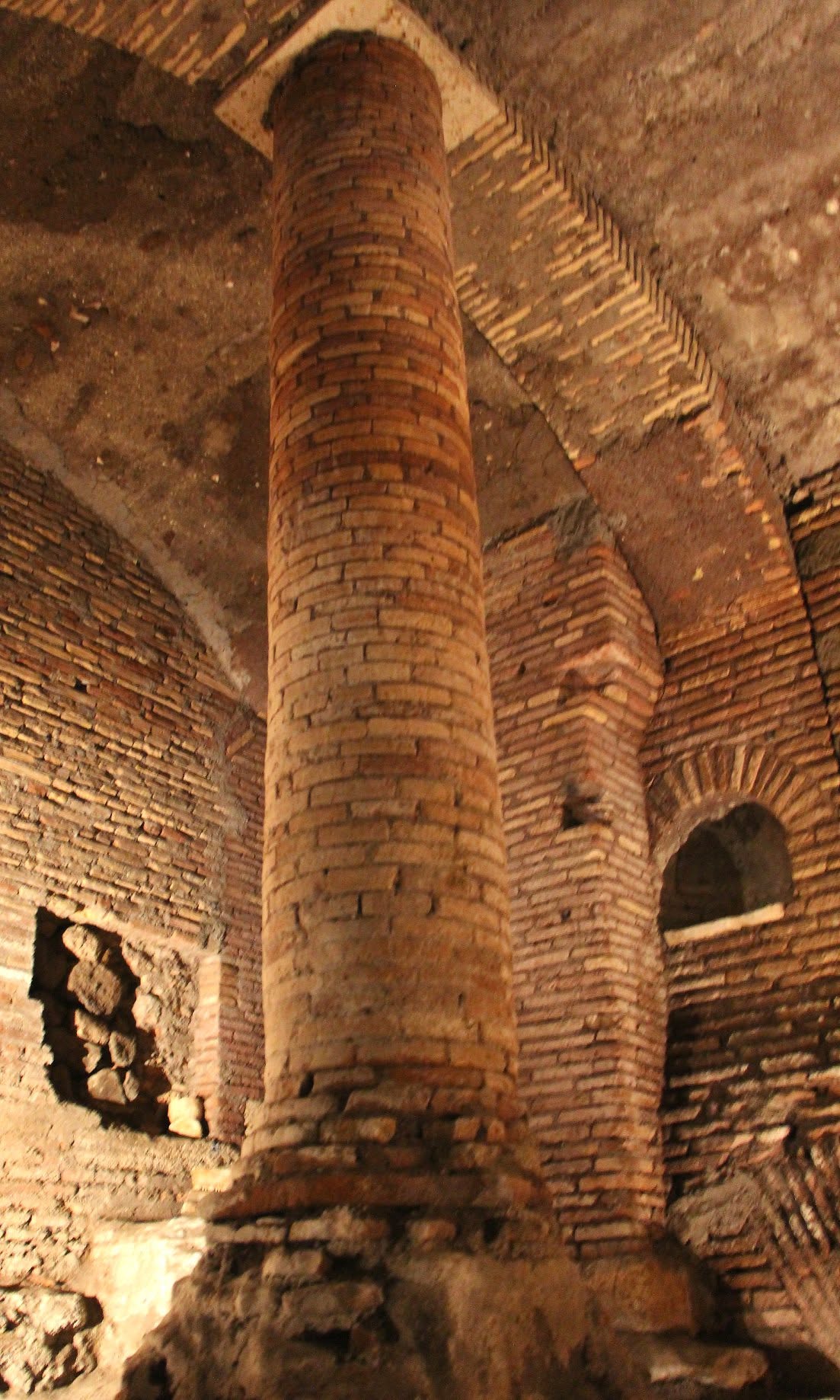
Roman structures at San Paolo alla Regola illustrating changing urban levels

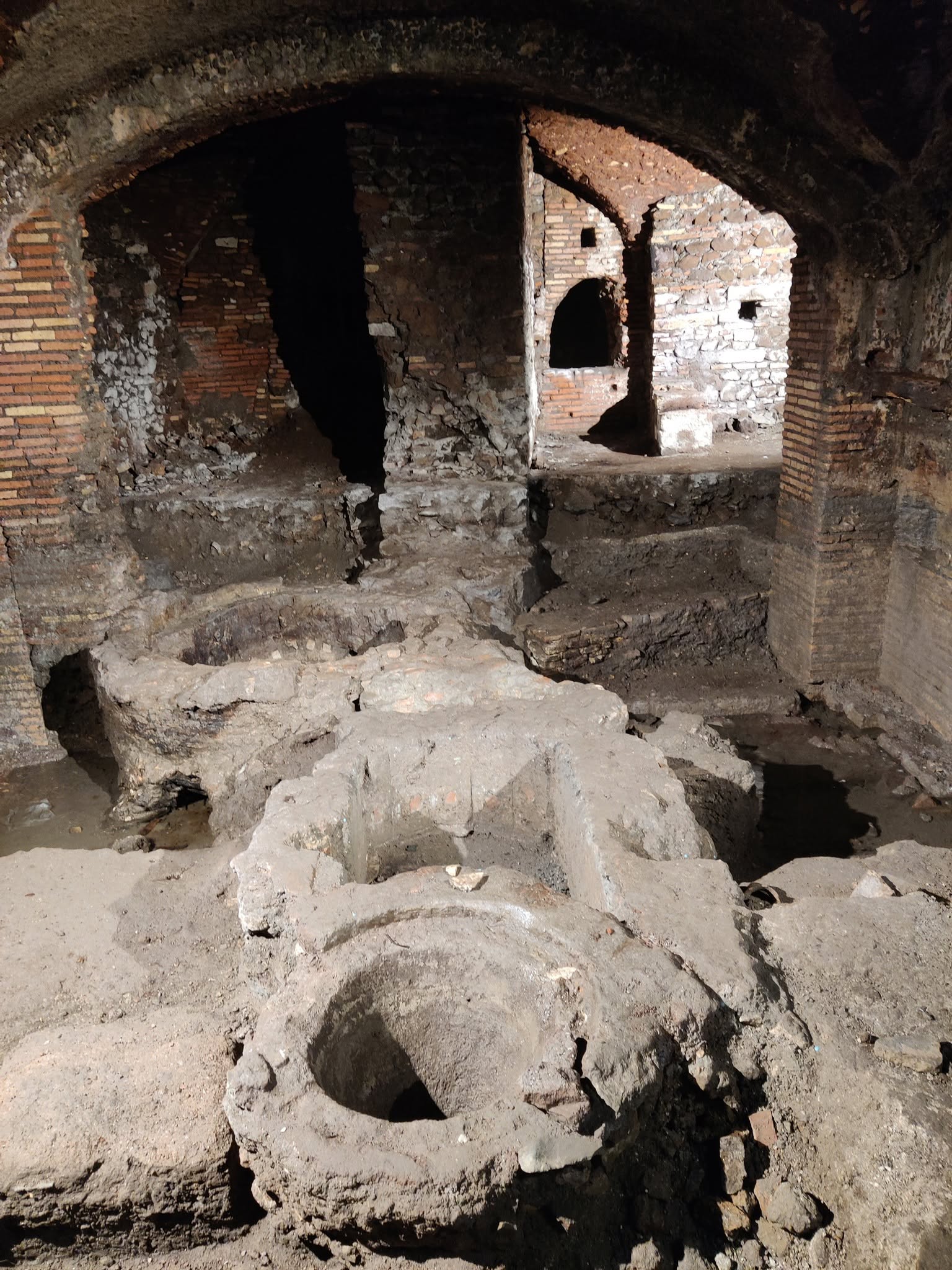
How Roman Buildings Became Underground

Many structures now reached below street level were not designed as subterranean spaces. Infill, collapse, reuse, resurfacing and later construction changed their position within the city.

Funerary archaeology at the Tomb of the Scipios in Rome

Burial Along the Roads of Ancient Rome

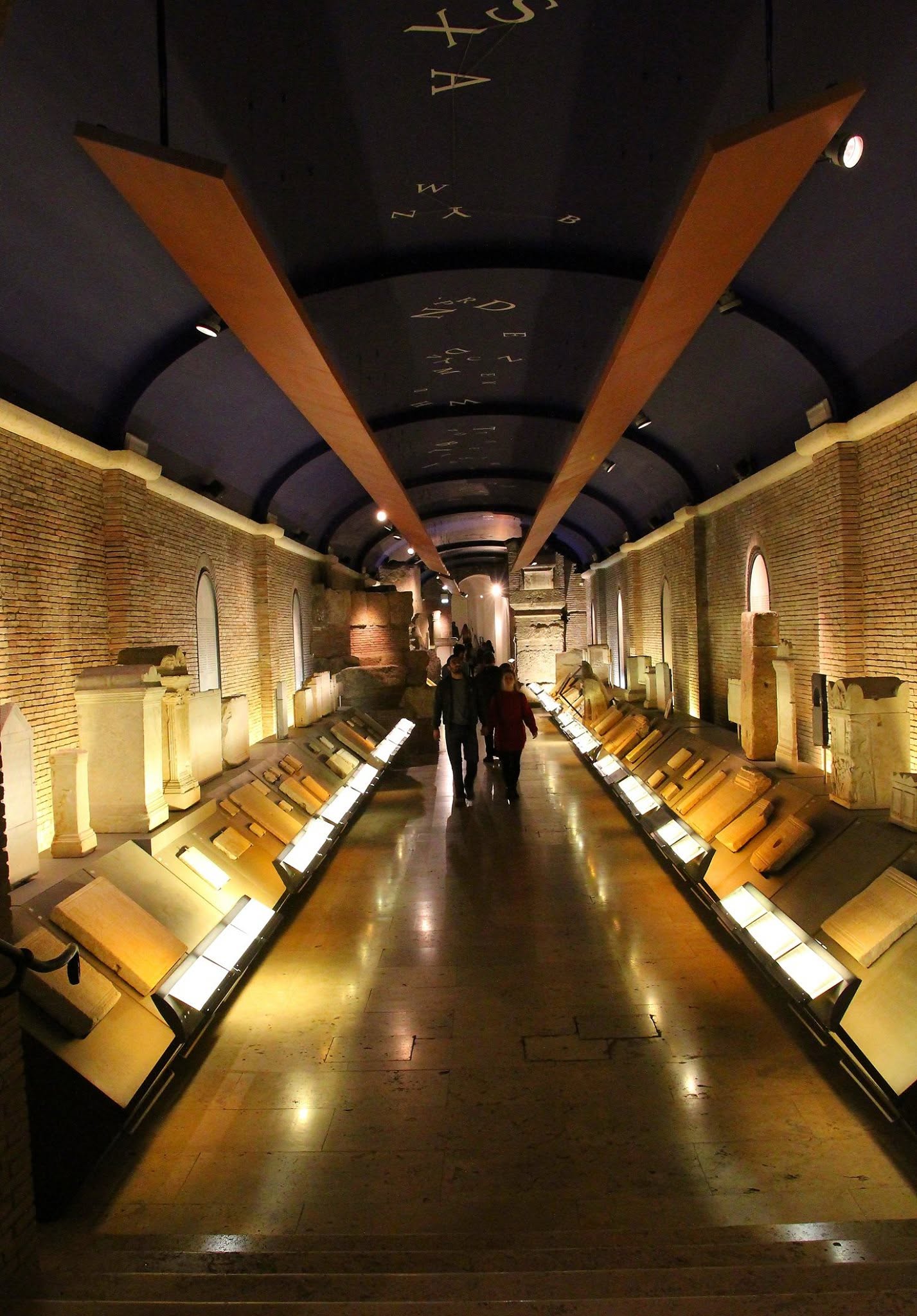
Roads leaving ancient Rome were also landscapes of memory. Tombs and necropolises developed along routes later absorbed into the expanding modern city.

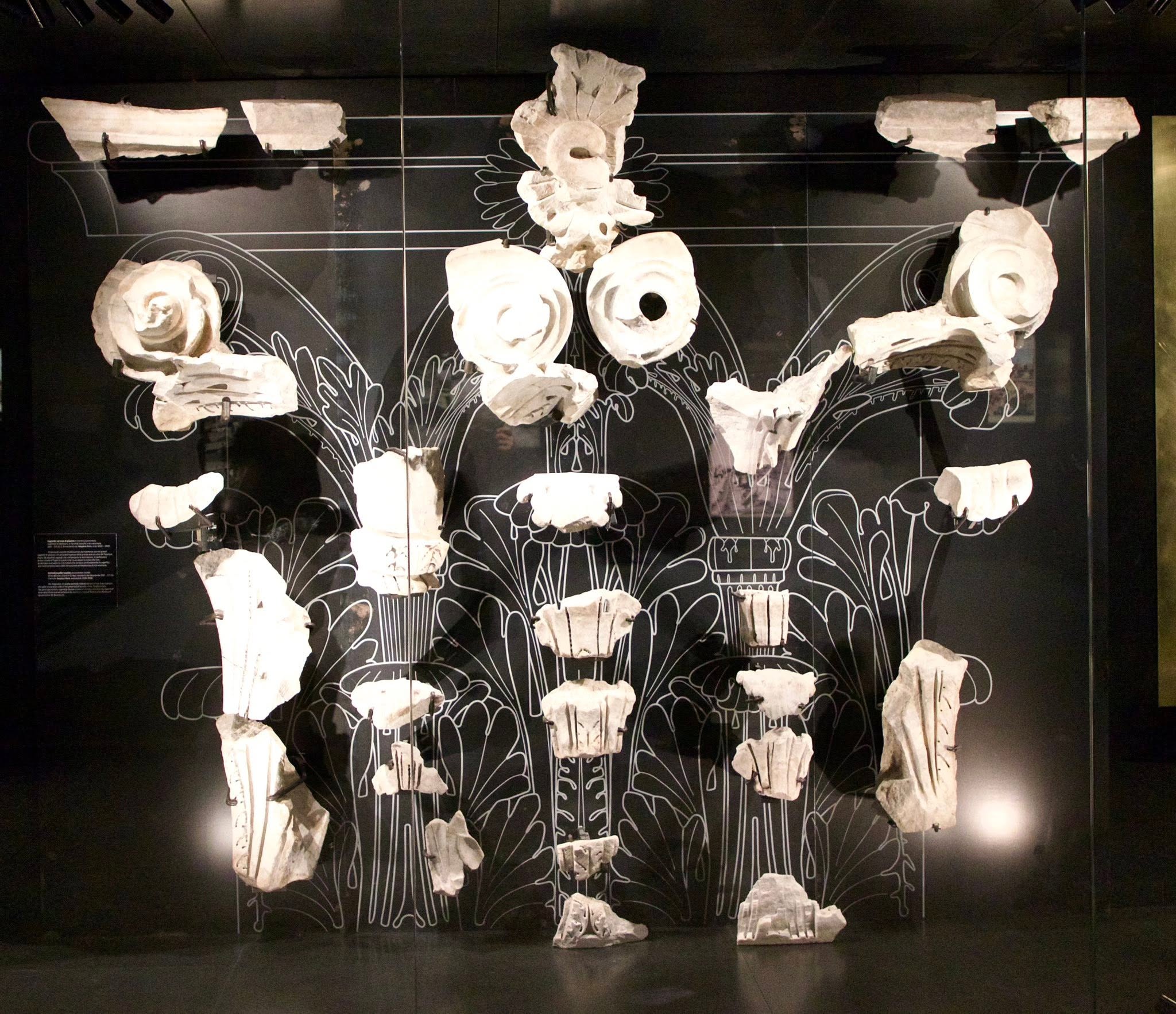
Roman archaeology preserved inside Palazzo Valentini in Rome

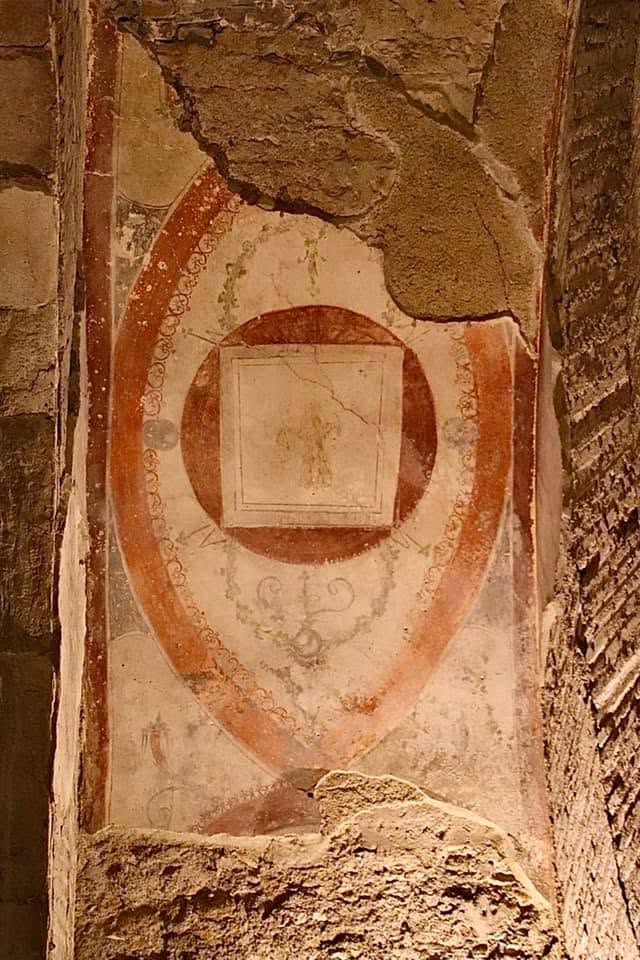
Archaeology Inside Modern Buildings

Ancient structures in Rome can survive inside palaces, commercial properties and other spaces still belonging to the contemporary city.

05 · Research Themes

Different evidence. A connected city.

Field Notes is organised around questions and processes, not around a catalogue of monuments. New essays are added when they introduce another useful way of interpreting Rome's archaeological fabric.

01

Ground Level & Accumulation

02

Archaeological Depth & Topography

03

Subsurface Structures

04

Water & Roman Engineering

05

Stratigraphy & Archaeological Method

06

Archaeology & Contemporary Infrastructure

07

Reuse & Architectural Transformation

08

Roads & Funerary Landscapes

09

Archaeology Within the Contemporary City

06 / THE ARCHIVE
An Evolving Journal

The archive grows by question.

Field Notes builds a framework for reading Rome as a changing physical environment: from ground levels and infrastructure to funerary geography, architectural reuse and the preservation of archaeology within the contemporary city.

Individual archaeological sites belong primarily to the Places atlas. Field Notes connects them through broader processes and relationships that can be observed across Rome.

Stratigraphy · Topography · Hydraulics · Funerary Landscapes · Reuse · Urban Archaeology
Archaeological remains preserved within the modern city of Rome From Process to Place
The Archaeological Atlas

Find the places where the evidence survives.

Field Notes examines the processes and relationships that shaped Rome. Places documents the individual archaeological sites in which that evidence can still be examined.

Explore domestic spaces, sanctuaries, funerary landscapes, hydraulic structures, former ground levels and archaeological remains incorporated into the contemporary city.

08 / PRIVATE JOURNEYS
From Research to Experience

Explore the archaeology in person.

If a Field Note has led you to a particular period, archaeological question or type of evidence, it can become the starting point for a private journey in Rome.

Tell us your dates, interests and party size. We can identify a historically coherent route using archaeological places that can genuinely be accessed during your stay.

Private Tailored Specialist-led Rome
Design Your Journey →