
San Pasquale Baylon
Archaeological Area
Trastevere · Rome
An urban fragment preserved at an earlier level.
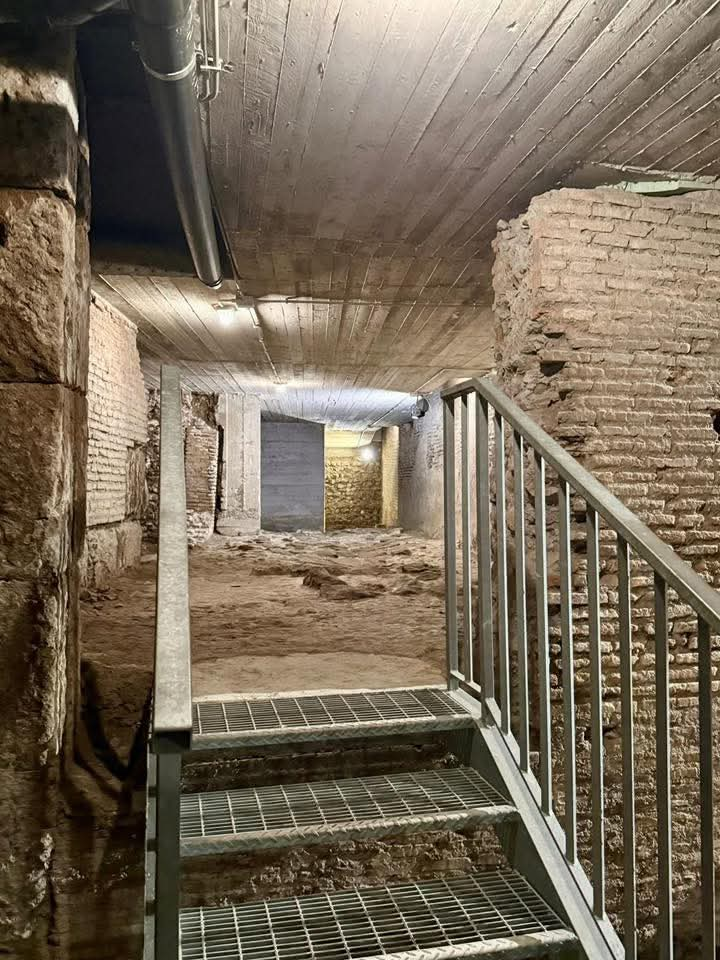
The archaeological area of San Pasquale Baylon preserves part of the long physical history of Trastevere within the former Conservatory of San Pasquale Baylon.
Archaeological investigations revealed an ancient route together with residential structures that changed repeatedly during the Roman period.
Buildings initially organised as residential insulae were transformed over time. Later phases included more elaborate domestic spaces associated with richer houses.
Mosaics, painted decoration and successive structural alterations make the site especially useful for understanding how one part of Trastevere changed without abandoning the same urban ground.
The modern complex occupies a much longer urban sequence.
What survives is not an isolated Roman room but part of a succession of structures created, altered and reused across different periods.
The archaeological level records the organisation of an earlier urban environment in Trastevere, including circulation and residential architecture.
Later construction did not erase every earlier phase. Instead, portions of previous structures remained incorporated into the physical development of the site.
A district reconstructed through surviving fragments.
The archaeological remains provide physical evidence for the residential development of this part of Trastevere.
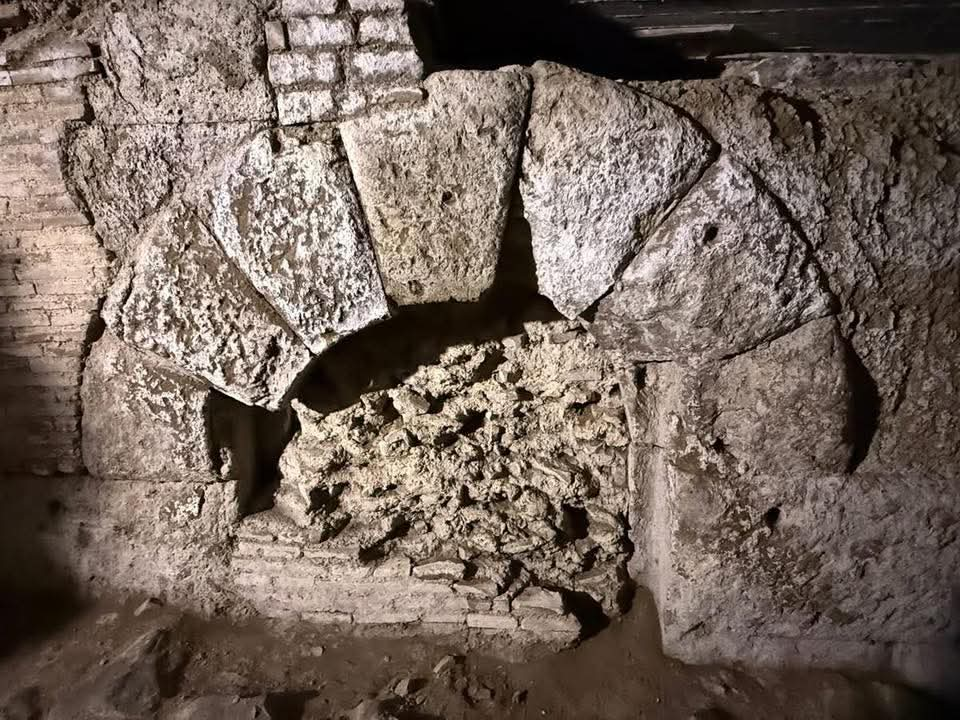
The site preserves structures belonging to different building phases rather than a single construction episode.
This distinction is important. Roman neighbourhoods were continually modified: walls were rebuilt, rooms changed function and properties could acquire increasingly elaborate architectural forms.
At San Pasquale Baylon, those transformations can still be read within the surviving masonry and decorated surfaces.
Architecture developed around an earlier line of movement.
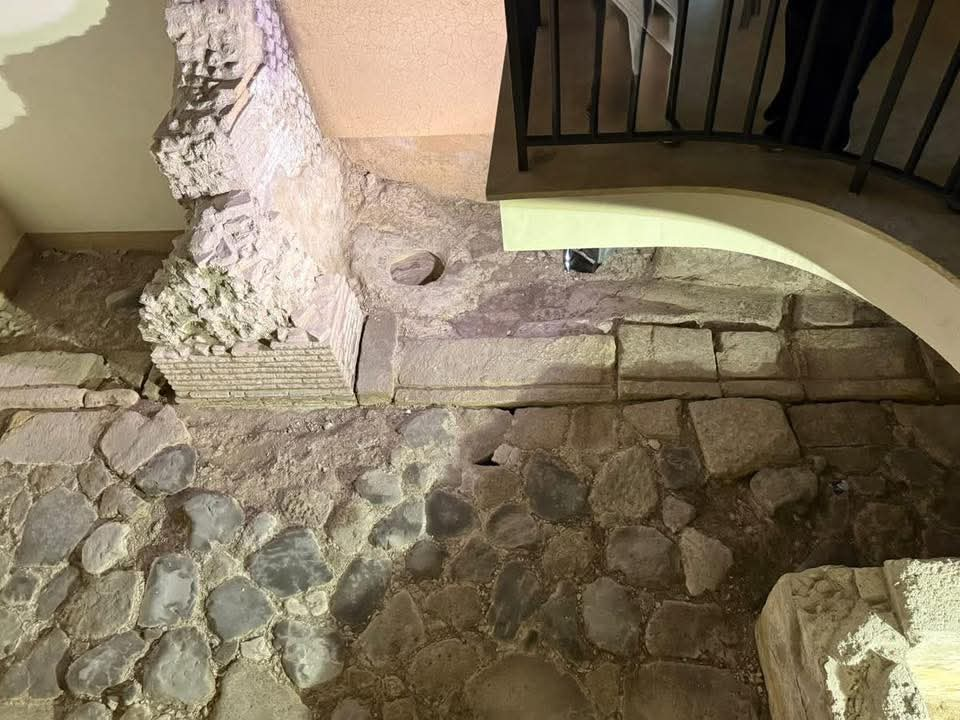
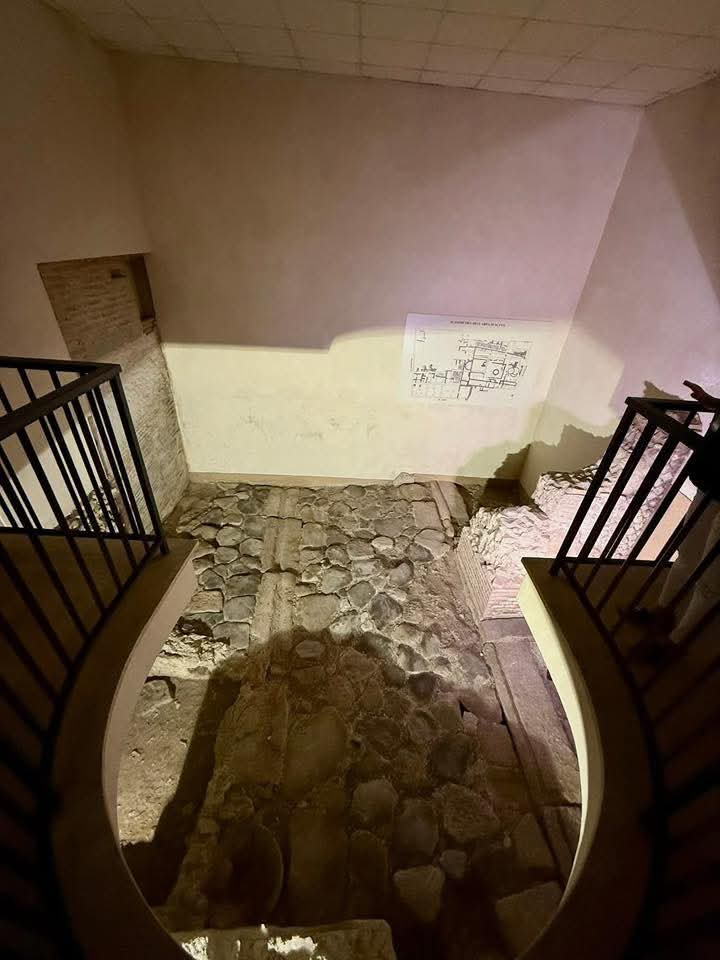
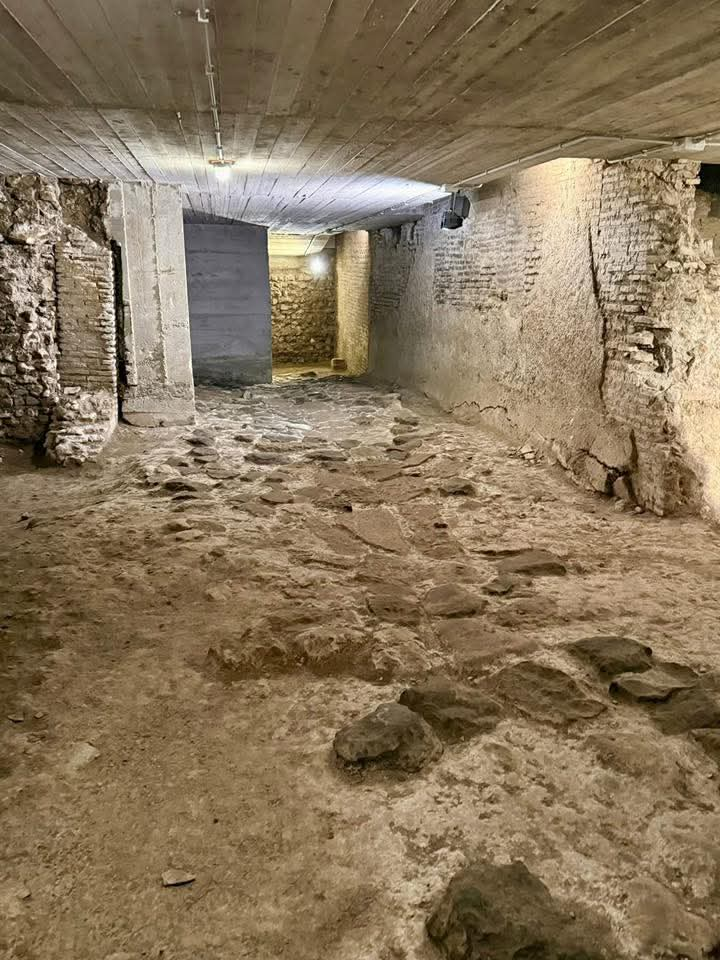
One of the most useful elements of the archaeological area is the evidence for an ancient route associated with the surrounding buildings.
Roads and passages are fundamental archaeological evidence. They help reconstruct how buildings related to one another and how people moved through the ancient district.
At San Pasquale Baylon, the route forms part of the broader urban context within which the residential structures developed.
From insulae to more elaborate domestic spaces.
The residential history of the site demonstrates that Roman architecture was not static.
Earlier residential buildings were modified through successive phases, with portions of the complex developing into more prestigious domestic environments.
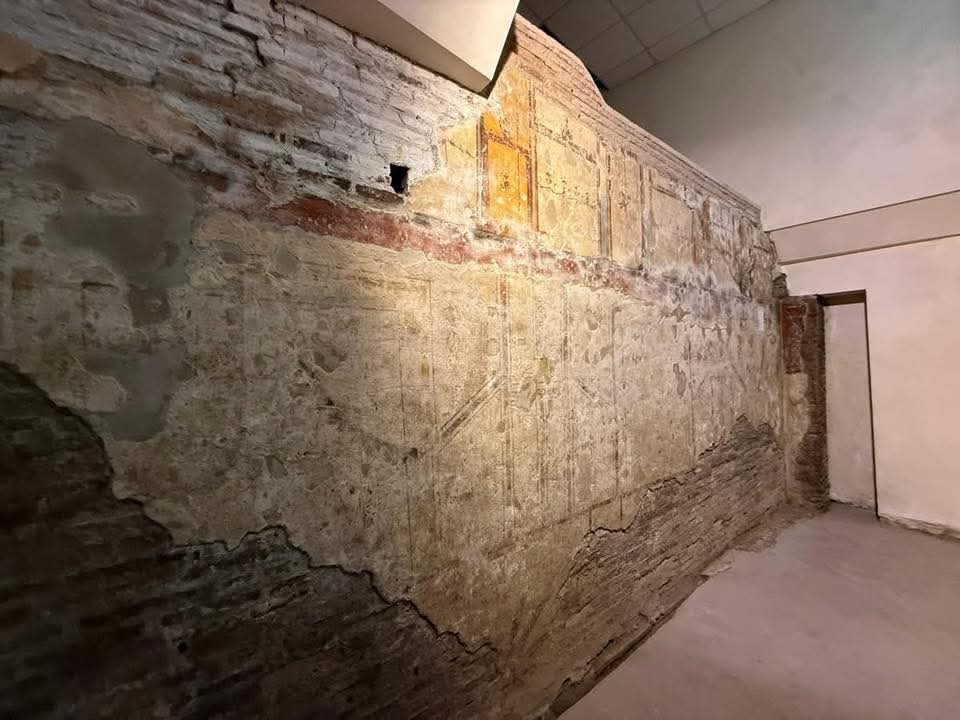
Decorative floors and wall surfaces belong to this changing architectural history. They provide evidence not only for chronology but also for the increasing investment made in particular rooms and residences.
The archaeological area therefore records both continuity and transformation within the same urban sector.
Decoration adds another level of evidence.
Mosaics and painted surfaces preserve information that masonry alone cannot provide.
Decorative remains help archaeologists distinguish building phases, identify changes in the character of individual spaces and understand the investment made in Roman domestic architecture.
Their survival gives the site a different character from archaeological areas where only foundations or structural walls remain.
One site. Multiple transformations.
The importance of San Pasquale Baylon lies in the sequence rather than in a single monumental phase.
The sequence survives in walls, floors and altered spaces.
Each surviving fragment contributes to the reconstruction of a neighbourhood that was repeatedly rebuilt.
Roman domestic space did not mark the end of the site's history.
Later activity altered the earlier structures and introduced new uses into the archaeological sequence.
Evidence includes installations interpreted as lime kilns, representing a very different use of space from the earlier residential phases.
These installations have been associated with later building activity in the surrounding area, probably connected with construction near Santa Cecilia.
The contrast is archaeologically important: spaces associated with Roman residential life eventually became part of a landscape of reuse, construction and material transformation.
A small archaeological area can preserve a large urban story.
San Pasquale Baylon is valuable because different forms of evidence remain physically connected within one site.
Archaeology without a monumental façade.
Not every important archaeological site in Rome was an imperial monument, temple or public building.
San Pasquale Baylon preserves something equally useful for reconstructing the ancient city: ordinary urban fabric and the way it changed through time.
Streets, houses, decorated rooms and later interventions reveal the physical evolution of a neighbourhood.
It is this accumulation of evidence that makes the site particularly relevant to an archaeological atlas of Rome.
A site that requires planning rather than casual entry.
The archaeological area is not presented as a standard walk-in attraction.
Current municipal visitor information lists access on request or by reservation.
Because arrangements for archaeological areas of this type can change, current access conditions should always be confirmed before planning a visit.
Contributor
Photography of the San Pasquale Baylon archaeological area reproduced on this page with credit to the photographer.
@alessandrotanz_ · Instagram →Explore more archaeological and historic places across Rome.
Explore Rome through archaeological places selected around your interests.
Underground Rome designs private archaeological journeys according to available access, your interests and the physical history of the city.
Design Your Journeyby Rome Private Experience
Underground Rome is dedicated specifically to Rome's archaeological and historic subsurface.
For broader private programmes across Rome, corporate experiences and complex group arrangements, visit Rome Private Experience .