
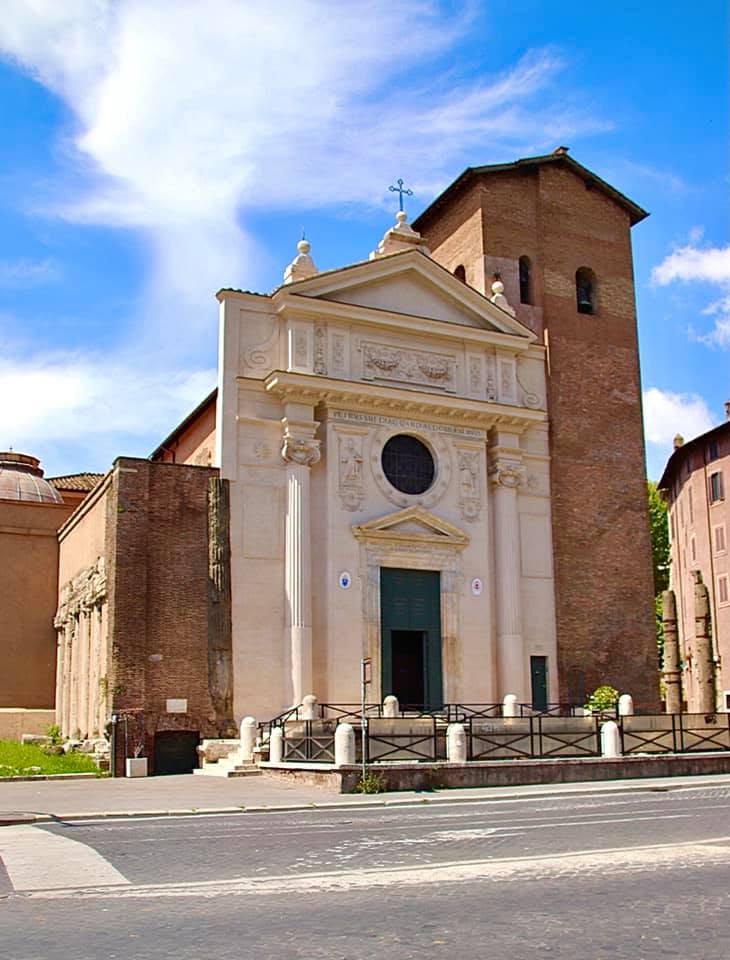
Republican Temples of
San Nicola in Carcere
Forum Holitorium
Rione Sant'Angelo
Ancient temples were not erased. They became part of the building.
San Nicola in Carcere occupies one of Rome's clearest examples of architectural incorporation.
Three Republican temples once stood side by side in the Forum Holitorium, the market area close to the Tiber. Their structures survived successive rebuilding and were eventually absorbed into the fabric of the Christian church.
Today their archaeology is distributed across several physical levels. Columns remain visible outside, ancient masonry is embedded within the church, and part of the central temple can be examined below the present building.
A row of Republican sanctuaries.
Ancient sources record four temples in the Forum Holitorium. Three were reconstructed together and survive in association with San Nicola in Carcere.
Their traditional identifications are probable rather than absolutely certain: the southern temple with Spes, the central temple with Juno Sospita, and the northern temple with Janus.
Temples beside a market and a river port.
The sanctuaries belonged to a busy commercial landscape between the Capitoline Hill and the Tiber.
The Forum Holitorium functioned as Rome's vegetable and produce market. Nearby, the Porto Tiberino connected this part of the city with river traffic and storage areas along the Tiber.
The temples therefore did not stand in an isolated sacred precinct. They formed part of a dense urban environment in which religion, commerce and transport occupied the same sector of the Republican city.
The smallest of the three.
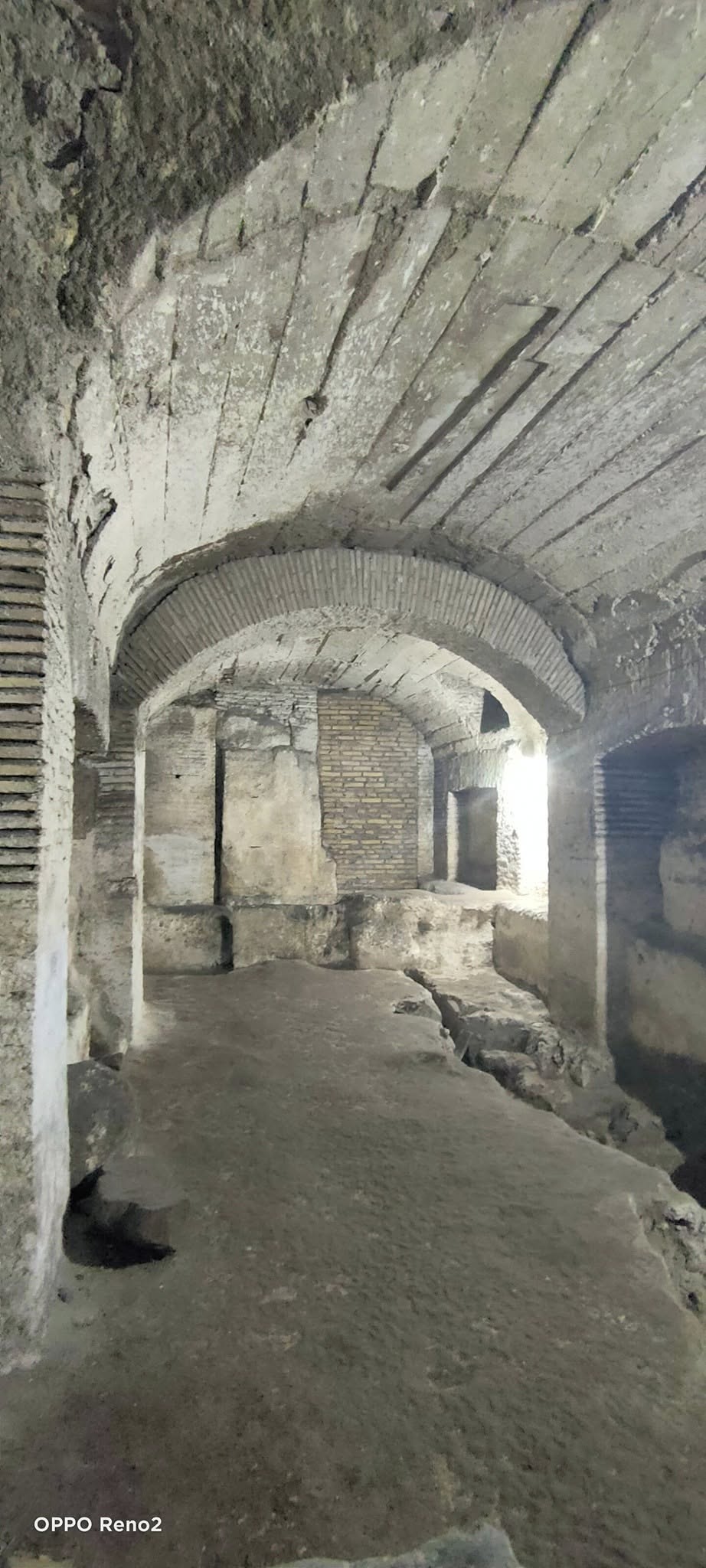
The southern sanctuary was Doric and is generally associated with Spes, the Roman personification of Hope.
It was first constructed during the First Punic War and subsequently rebuilt and restored several times. Its cella was surrounded by a colonnade.
Parts of the lateral colonnade remain incorporated into the left side of the present church.
The largest temple now lies directly below the church.
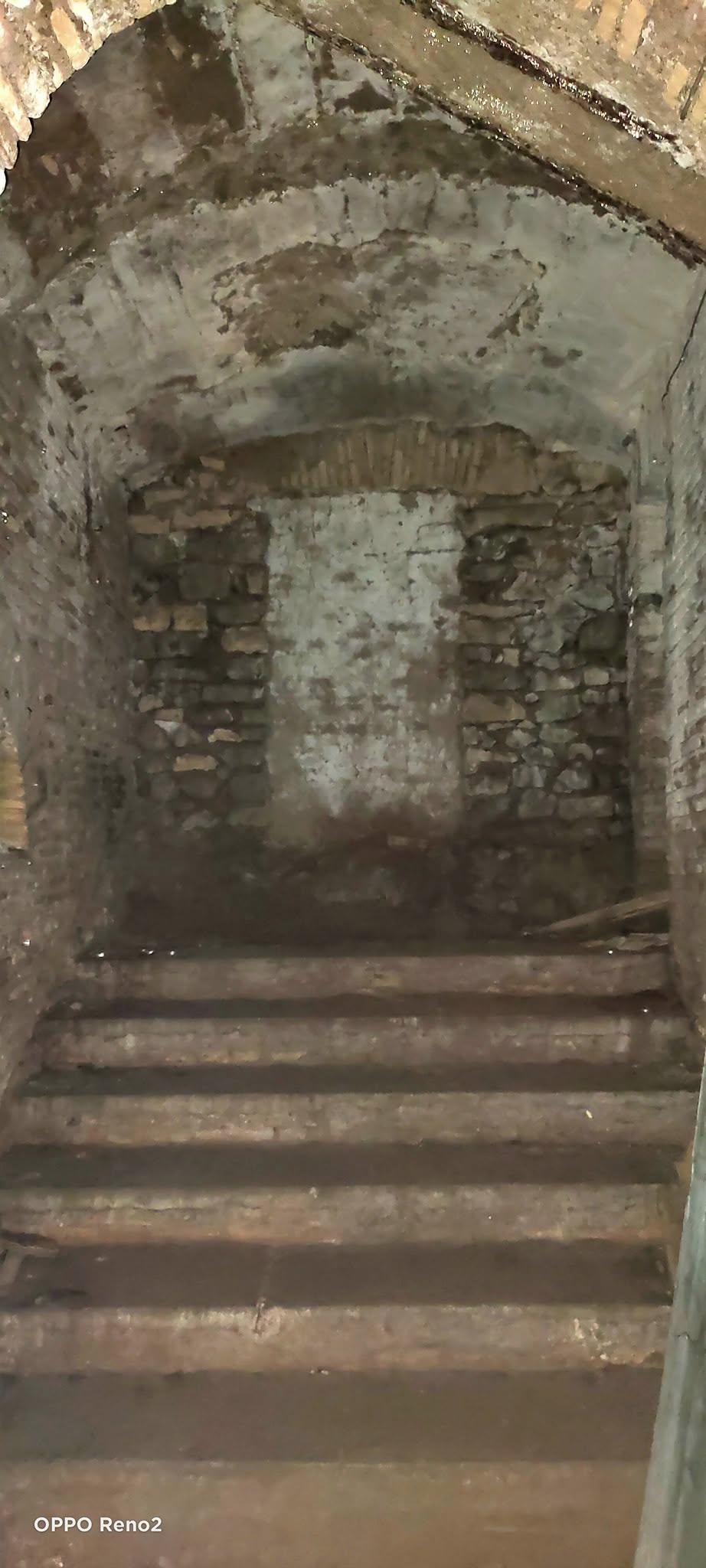
The central sanctuary is the structure most directly connected with the underground archaeological route.
Approximately 30 by 15 metres, it was an Ionic, hexastyle and peripteral temple standing on a concrete podium and approached by a staircase.
It is generally identified with the temple of Juno Sospita. The remains visible today largely belong to a reconstruction of the early first century BC, followed by later restorations.
The podium survived where the city continued above it.
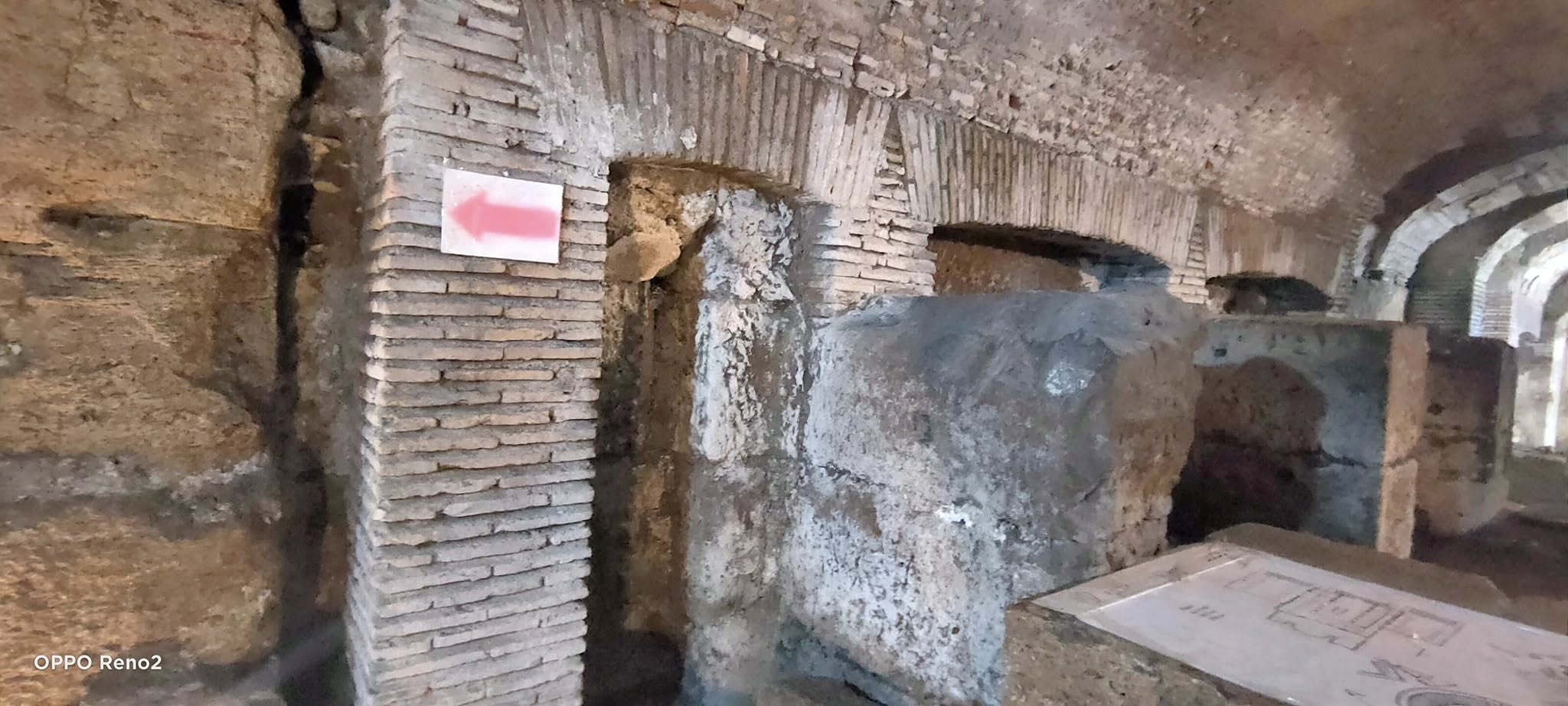
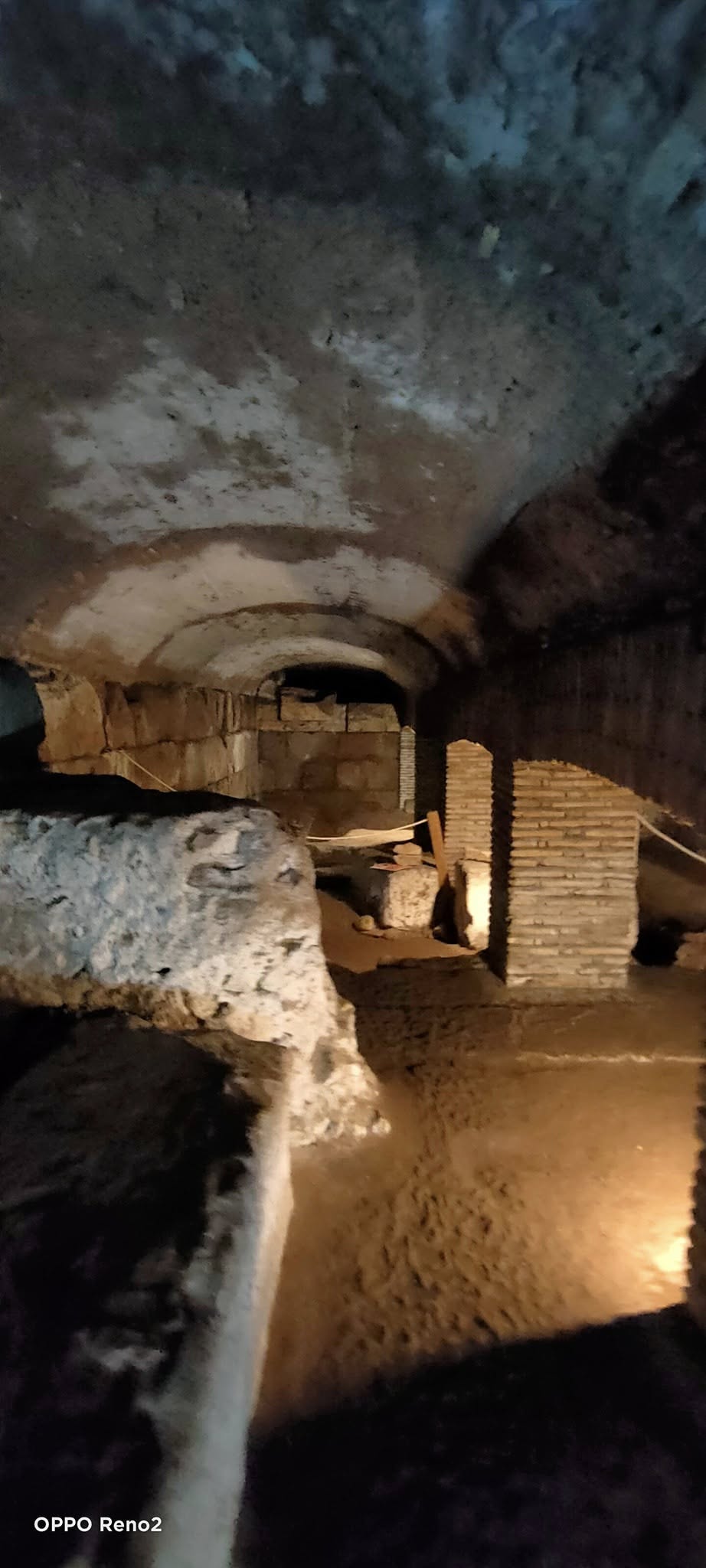
Descending below San Nicola changes the relationship between the modern church and the Republican sanctuary.
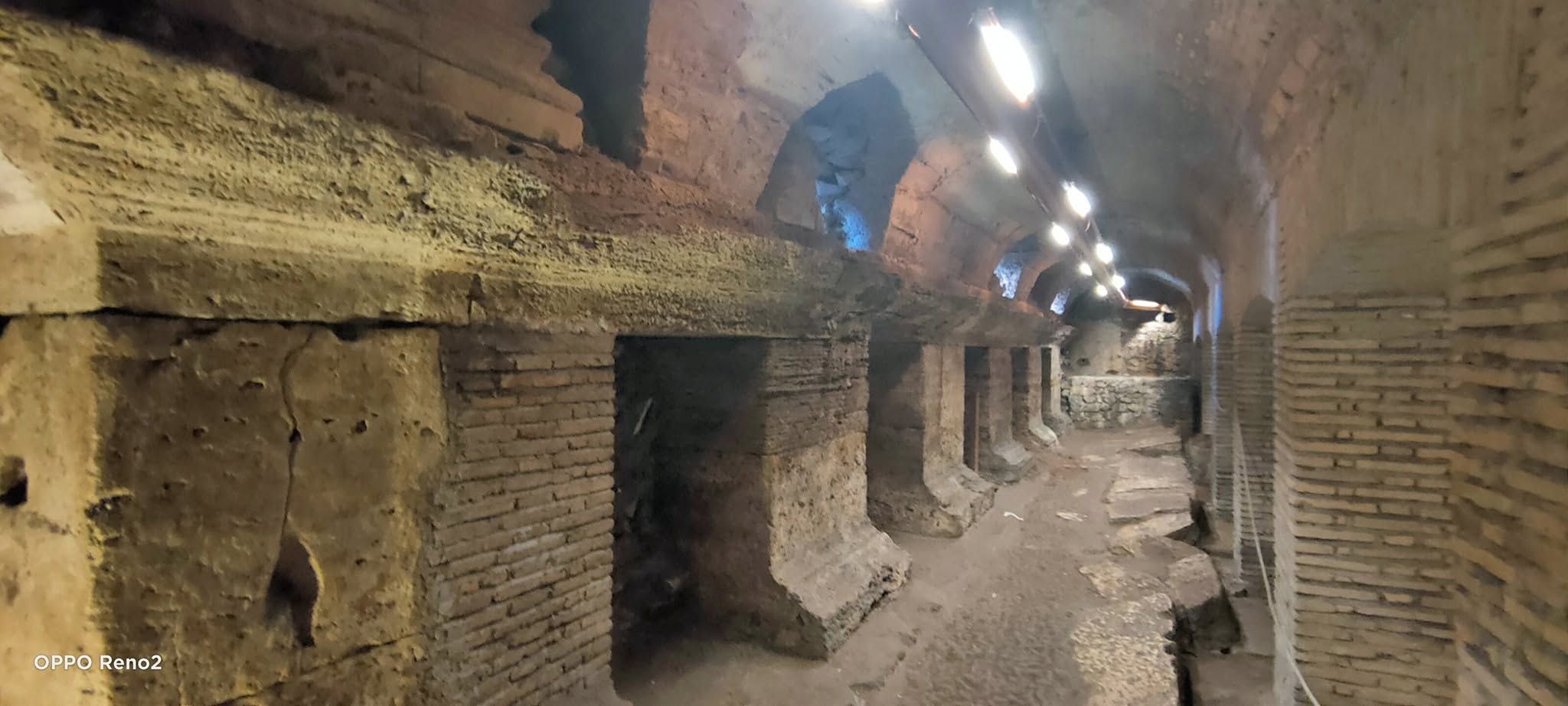
Remains of the central temple are visible near the present apse and in the forward area of the underground complex.
The lower level makes the scale of the ancient architecture easier to understand: the church does not simply occupy the same address as the temple. It physically rests within an architectural framework inherited from it.
Below, inside and outside.
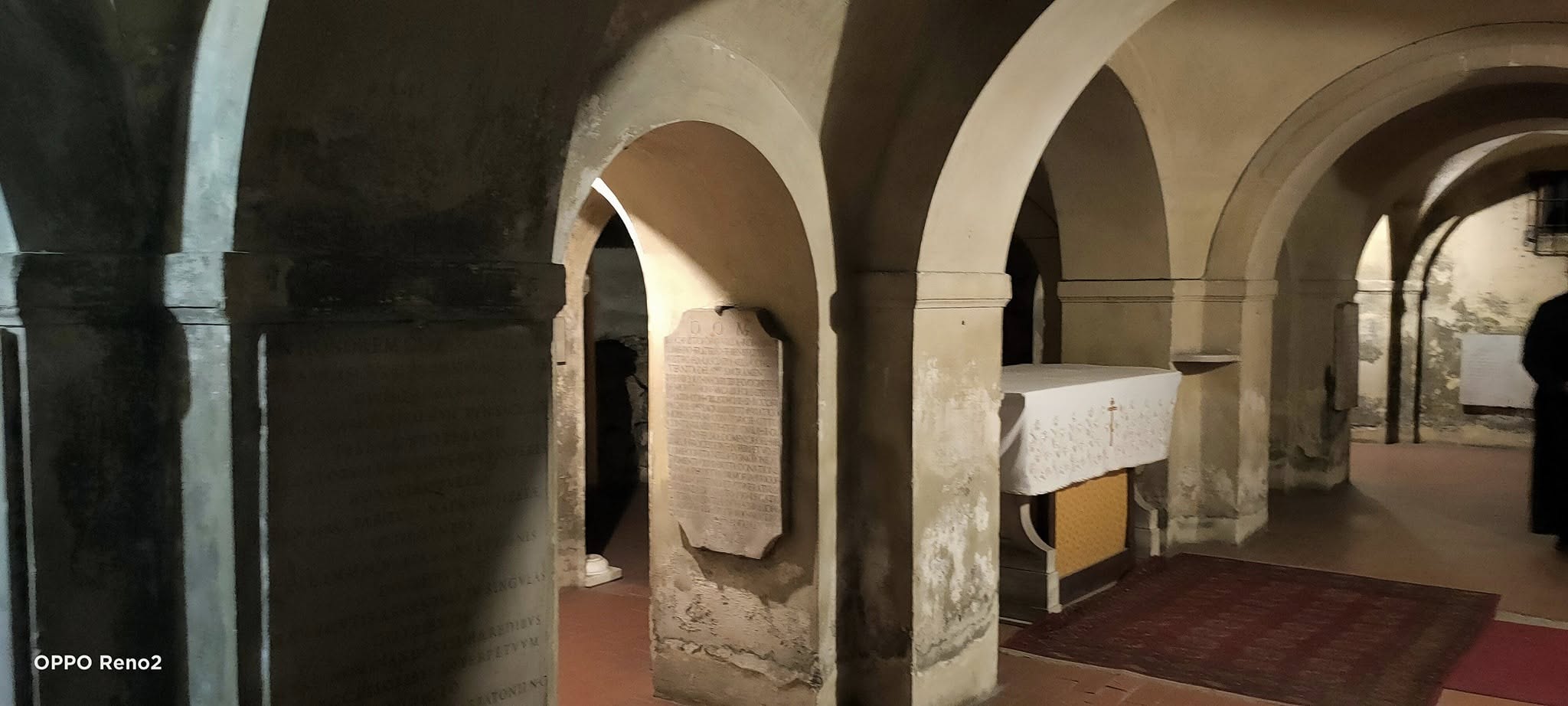
San Nicola in Carcere cannot be understood through a simple division between an ancient underground level and a later building above.
Different portions of the Republican sanctuaries now occupy different relationships with the church.
The best-preserved sanctuary remains visible beside the church.
The northern temple provides the clearest external evidence of the ancient sanctuary group.
Probably dedicated to Janus, it was Ionic and stood on a podium approximately 26 by 15 metres.
The surviving structure includes the podium and part of its colonnade. Seven columns remain along one side and two along the other.
The visible relationship between these ancient elements and the later church makes the process of incorporation legible without excavation.
Preservation through incorporation.
San Nicola in Carcere shows that a later building can preserve ancient architecture precisely because it reused it.
The Republican temples did not survive as isolated ruins. Their walls, podia and columns remained useful components within a continuously changing urban environment.
Underground visits require specific arrangements.
San Nicola in Carcere is an active church with archaeological structures extending into its lower level.
The ancient remains visible outside the church can be observed from the surrounding public space. Access to the underground archaeological area follows separate visiting arrangements.
Current conditions should always be confirmed before planning a visit, as church access and underground visits do not necessarily follow the same schedule.
Explore more archaeological places across Rome.
Read Rome through the architecture that survived.
Underground Rome designs private archaeological journeys according to your interests, available time and the sites genuinely accessible during your stay.
Design Your Journeyby Rome Private Experience
Underground Rome is dedicated specifically to Rome's archaeological and historic subsurface.
For broader private programmes across Rome, corporate experiences and complex group arrangements, visit Rome Private Experience .