
Mausoleum
of Augustus
Campus Martius · Rome
A tomb conceived at the scale of a dynasty.
The Mausoleum of Augustus was built as the dynastic funerary monument of Rome's first emperor and members of the imperial family.
Construction began in the final decades of the first century BC, after Octavian's campaigns in the eastern Mediterranean and before he received the title Augustus in 27 BC.
Its immense circular form dominated the northern Campus Martius. The monument combined massive concentric masonry with internal corridors, chambers and a central funerary structure.
Much of the original external appearance has disappeared, but the surviving interior makes the scale and structural complexity of the monument legible.
Concentric architecture directed toward the centre.
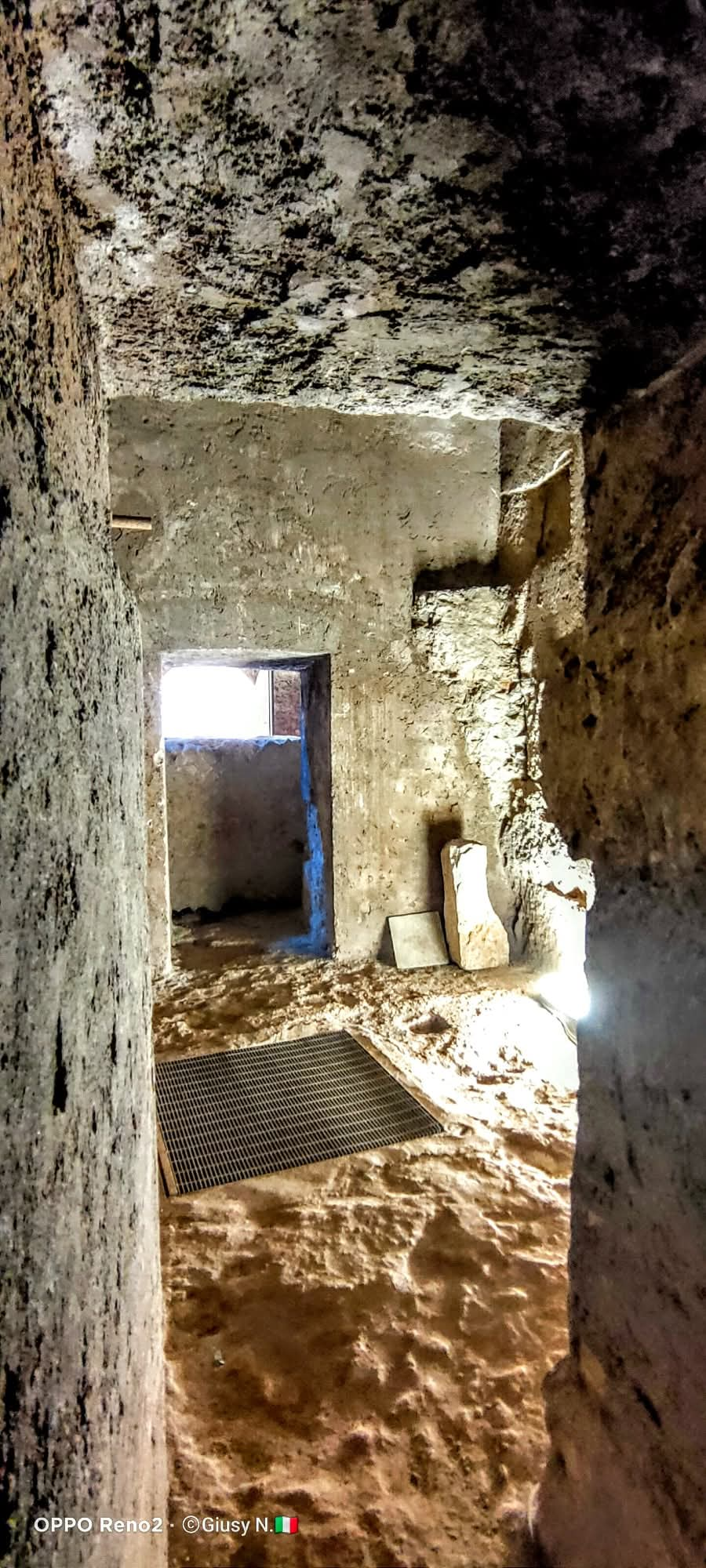
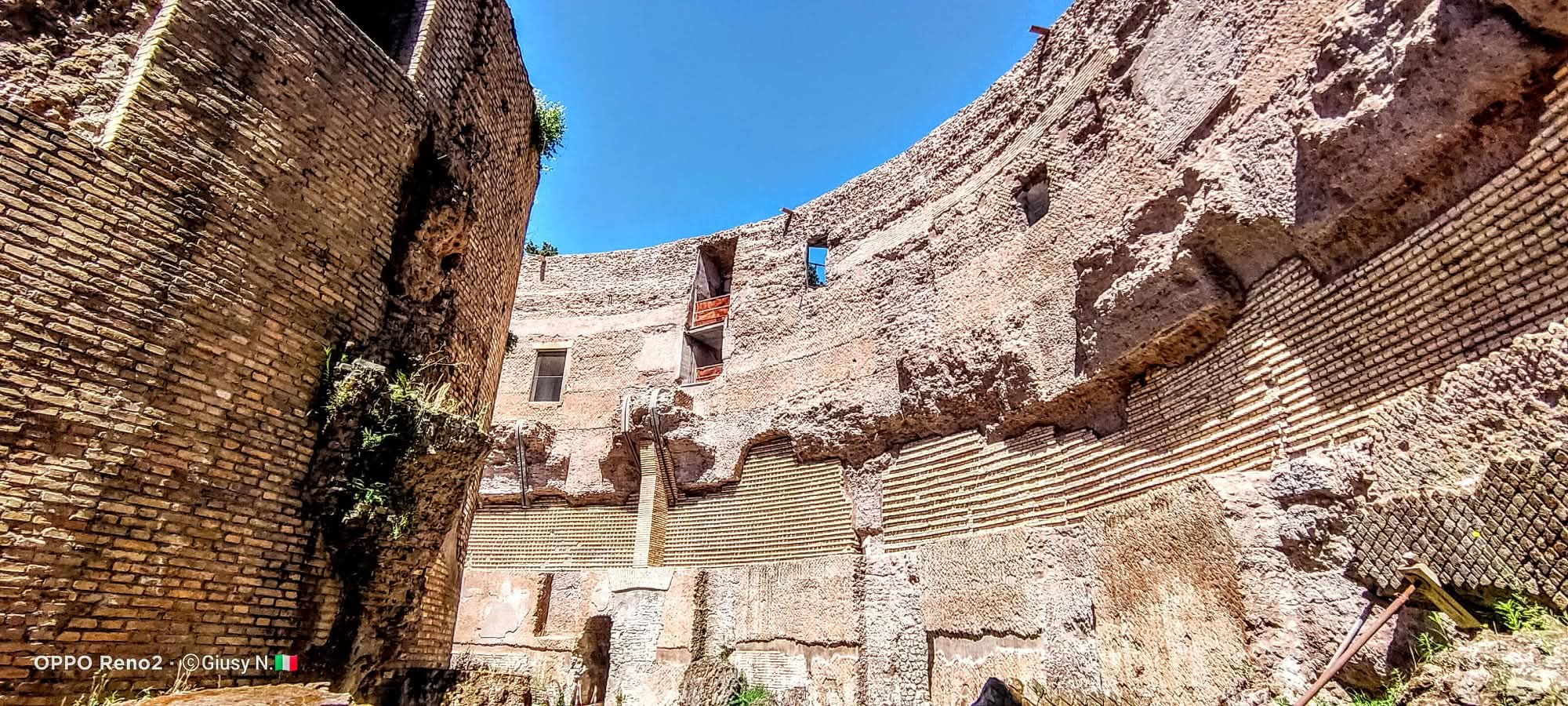
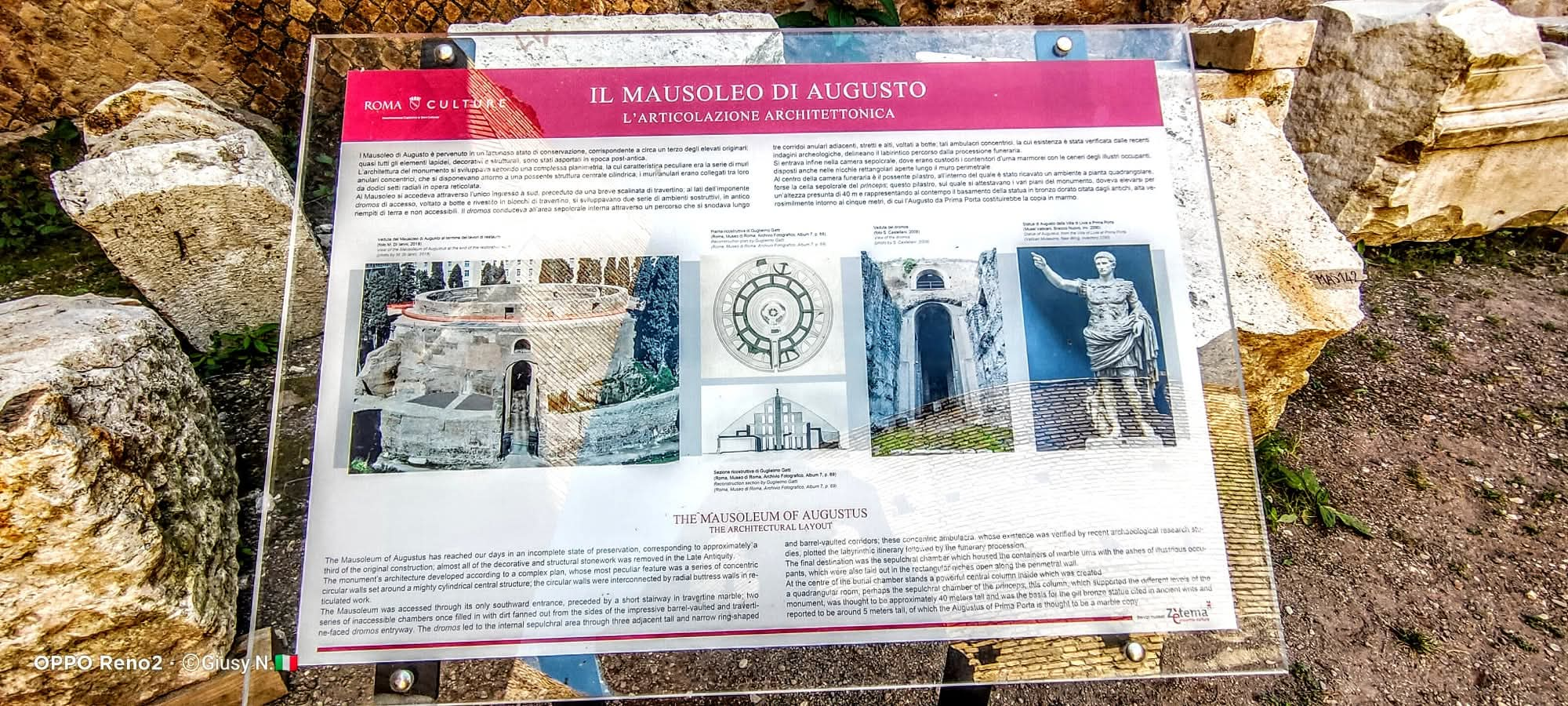
The mausoleum was not simply an enormous circular wall. Its internal organisation was formed by rings of masonry and spaces arranged around a central core.
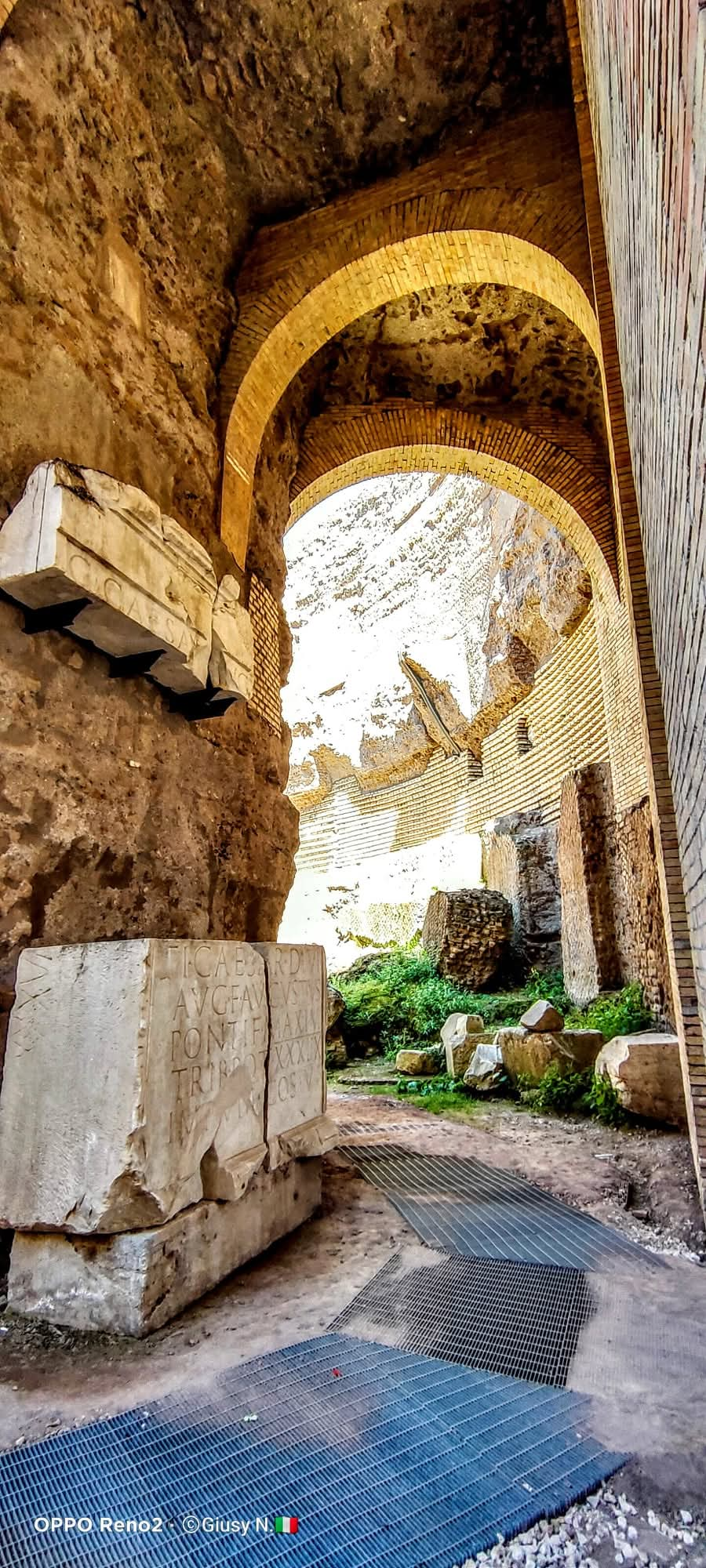
Visitors entered through a long axial corridor, the dromos, which penetrated the monument and led toward the funerary cell.
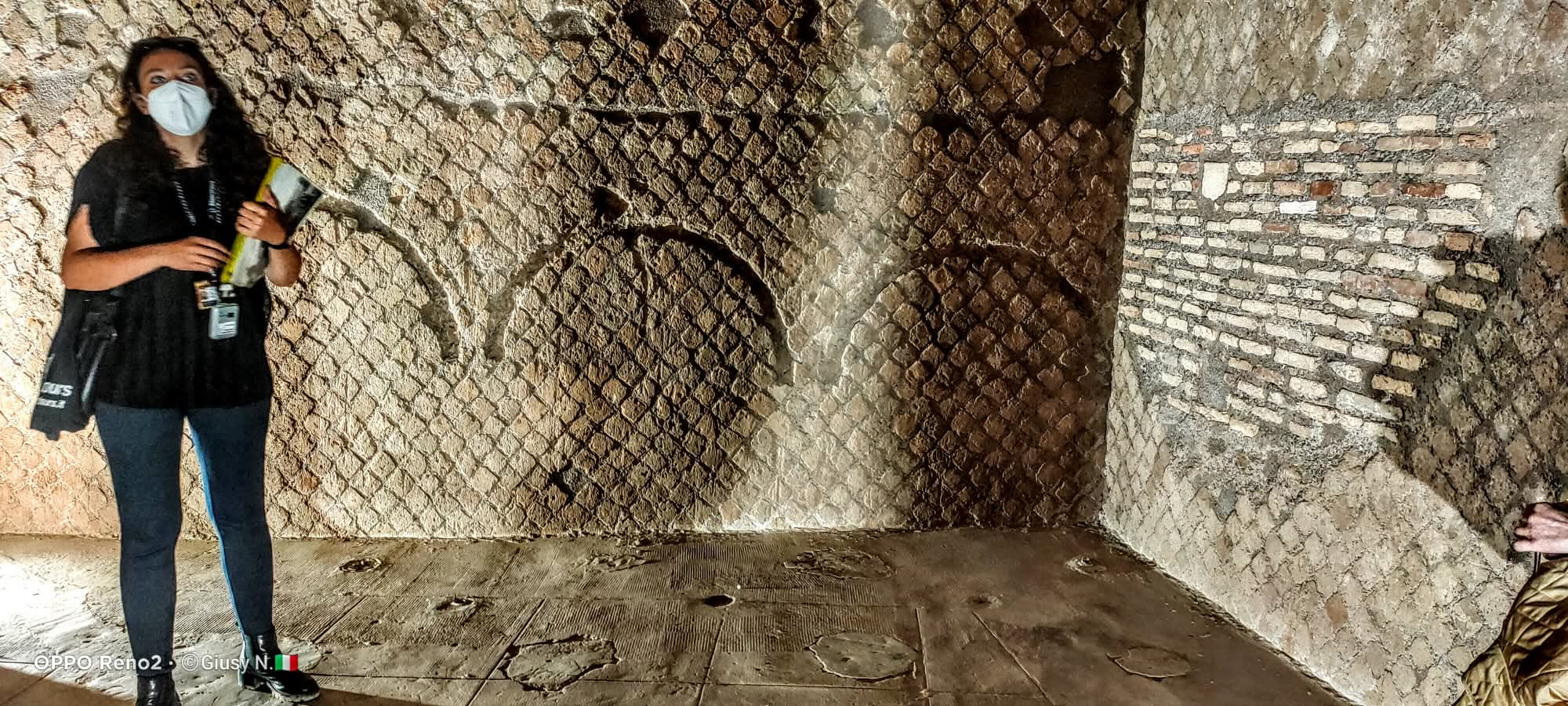
The surviving system of annular structures and internal compartments reveals how much of the monument's architecture was concealed inside its enormous mass.
Core
Photography © Giuseppina Novelli
The architecture pulls the visitor inward.
The ancient entrance sequence was organised around a long corridor known as the dromos.
Rather than exposing the funerary chamber directly, the route created a progressive transition from the exterior of the monument toward its internal core.
At the end of this approach stood the circular funerary cell, one of the principal spaces associated with the deposition of the imperial family's ashes.
The burial spaces occupied the architectural heart of the monument.
The circular funerary cell contained rectangular niches associated with the cinerary urns of members of the imperial family.
The mausoleum was conceived as a dynastic monument rather than the tomb of a single individual.
Augustus himself was probably deposited within the space associated with the central cylindrical core, although the exact ancient arrangement cannot be reconstructed in every detail from the surviving fabric.
Core
Mass, passage and enclosure.
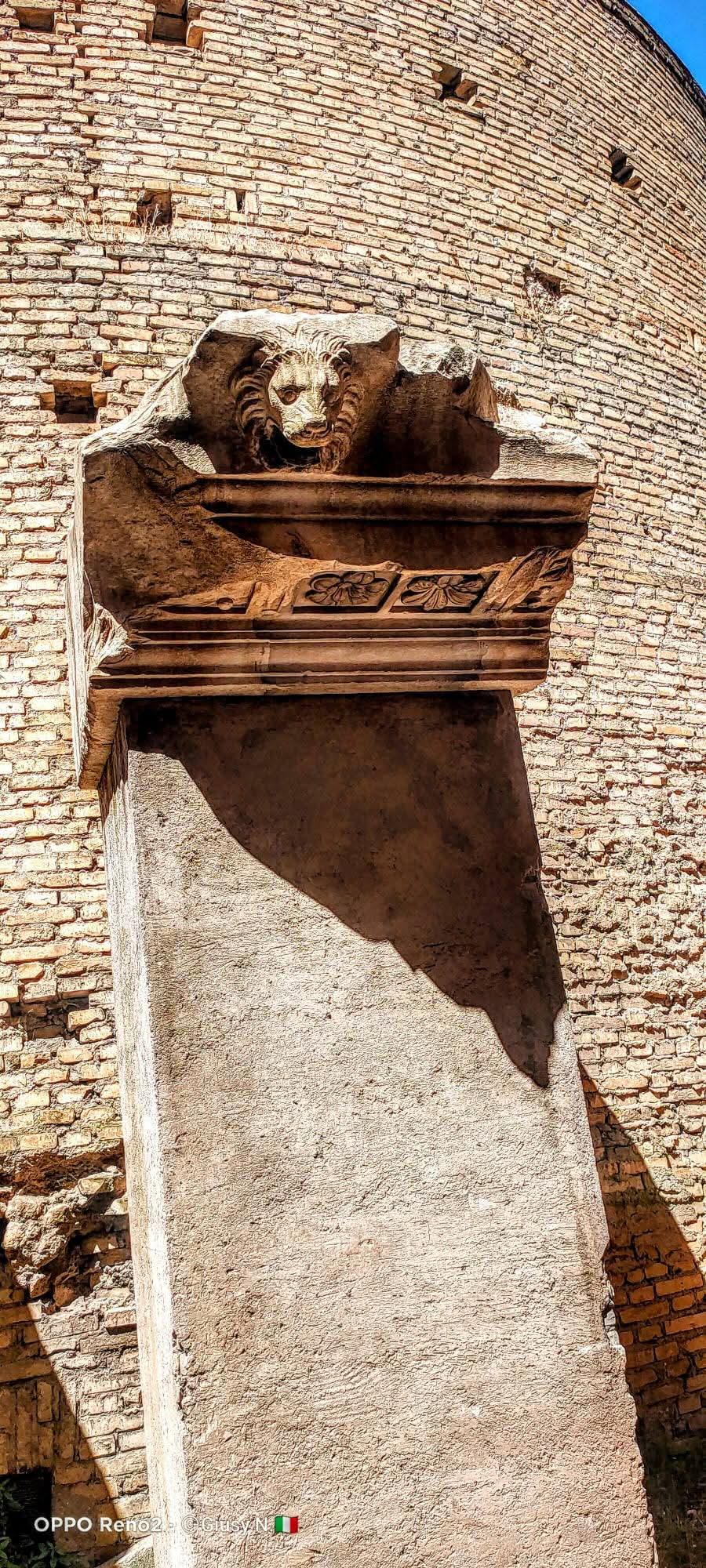
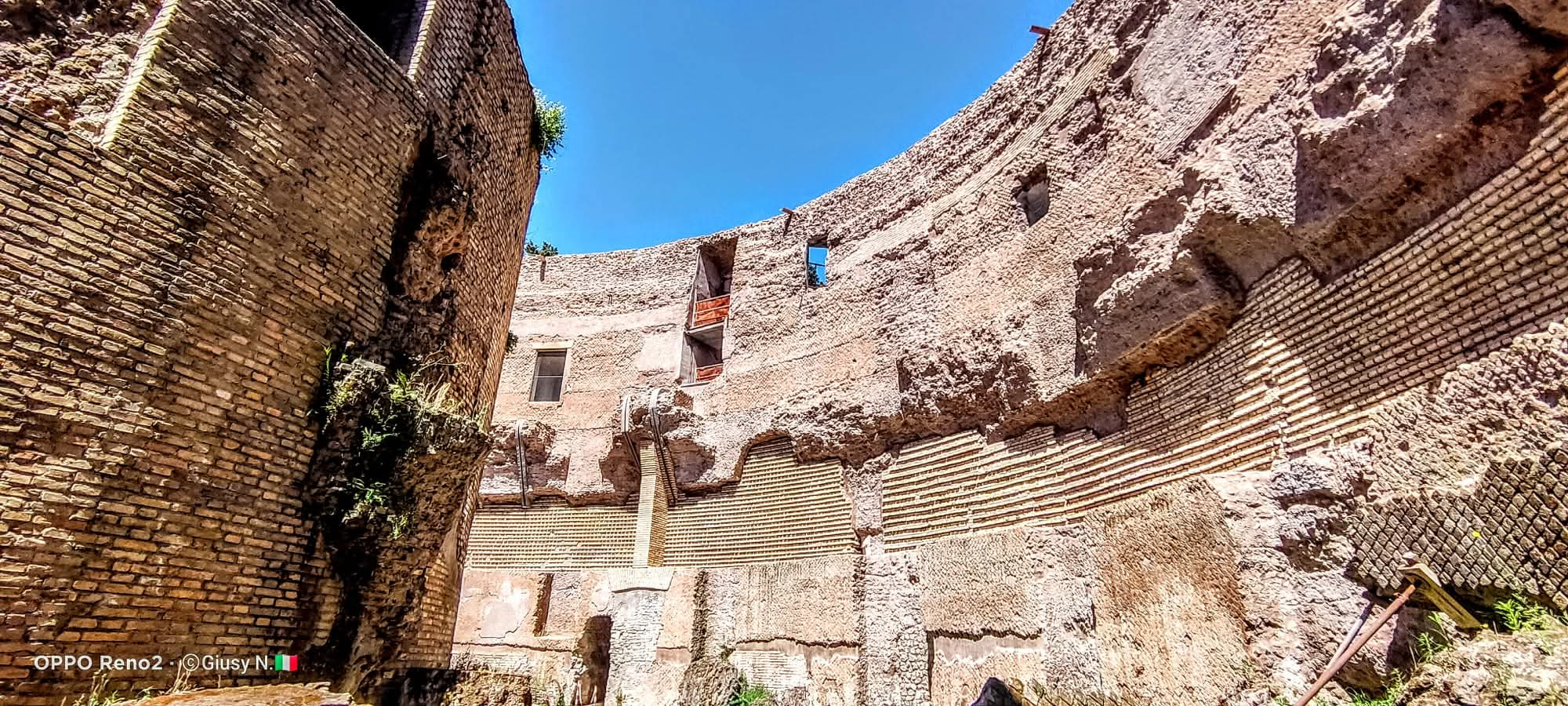
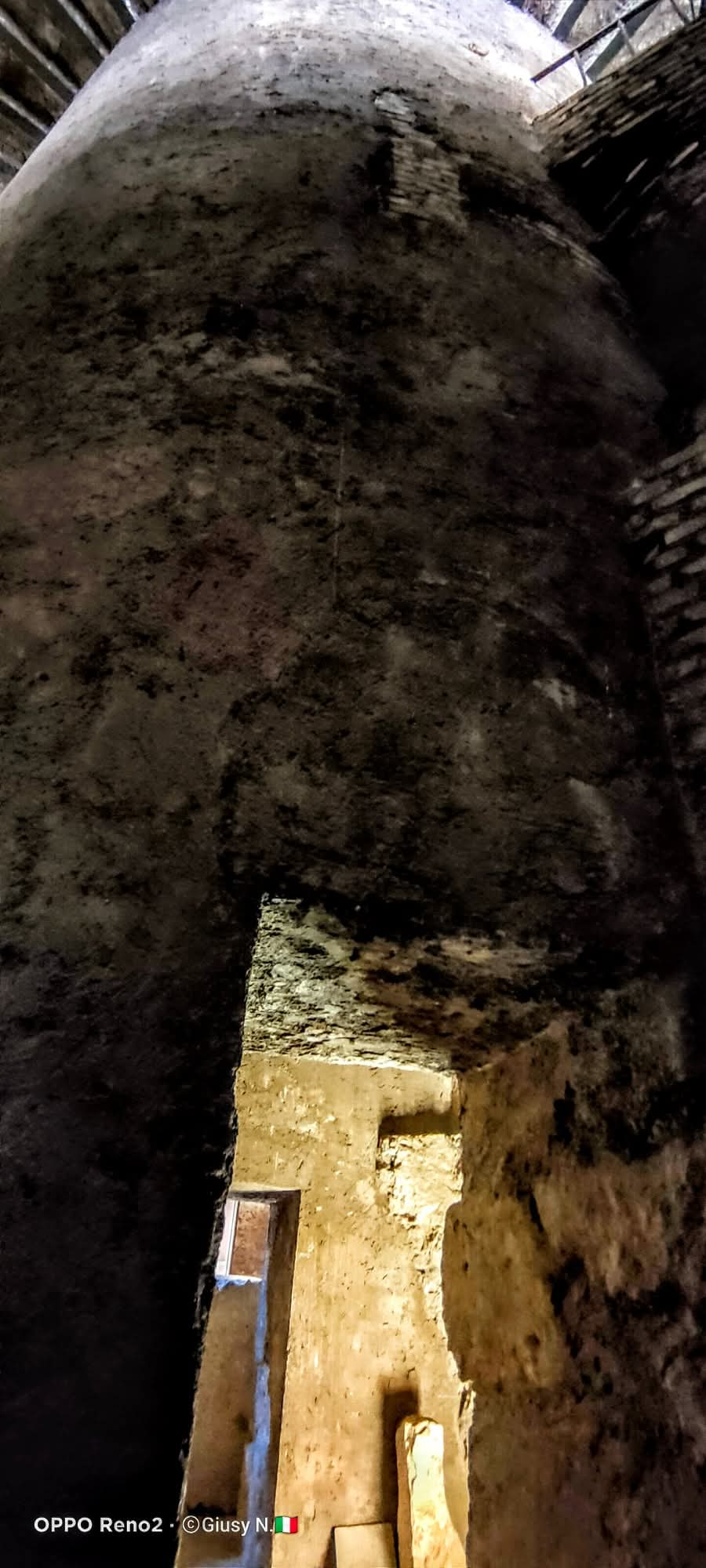
The surviving interior changes the perception of the mausoleum. From Piazza Augusto Imperatore it reads as a vast circular ruin; inside, it becomes a sequence of walls, passages and enclosed spaces.
Imperial memory accumulated here across generations.
The mausoleum became the principal funerary monument of Augustus's family and the emerging Julio-Claudian dynasty.
Several members of the imperial family were deposited within the monument over successive generations, beginning even before Augustus's own death.
The architecture therefore expressed more than burial. It connected family continuity, imperial succession and the public memory of Rome's first ruling dynasty.
Photography © Giuseppina Novelli
The tomb repeatedly changed function.
The surviving monument is also the result of centuries of reuse that transformed the imperial tomb long after its funerary role had ended.
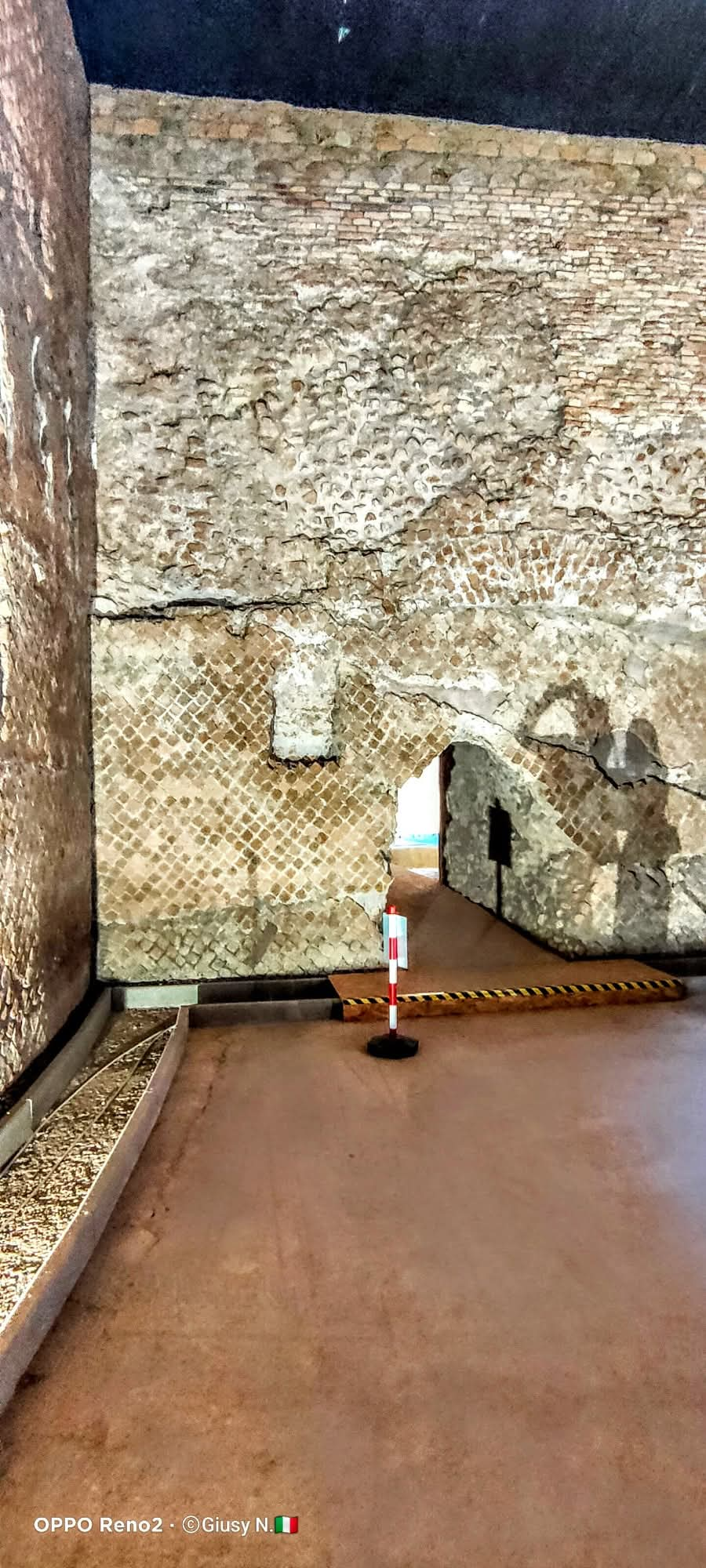
The interior explains what the exterior cannot.
The Mausoleum of Augustus is particularly important to Underground Rome because its internal architecture reveals the engineering concealed inside one of the largest funerary monuments of the ancient city.
What survives is the structural anatomy of the tomb.
The disappearance of much of the original elevation makes the internal masonry particularly important.
Walls that were once embedded within the mass of the monument are now exposed as archaeological architecture.
They allow the mausoleum to be read not simply as a ruin, but as a complex engineered structure whose circulation and funerary spaces were organised around its centre.
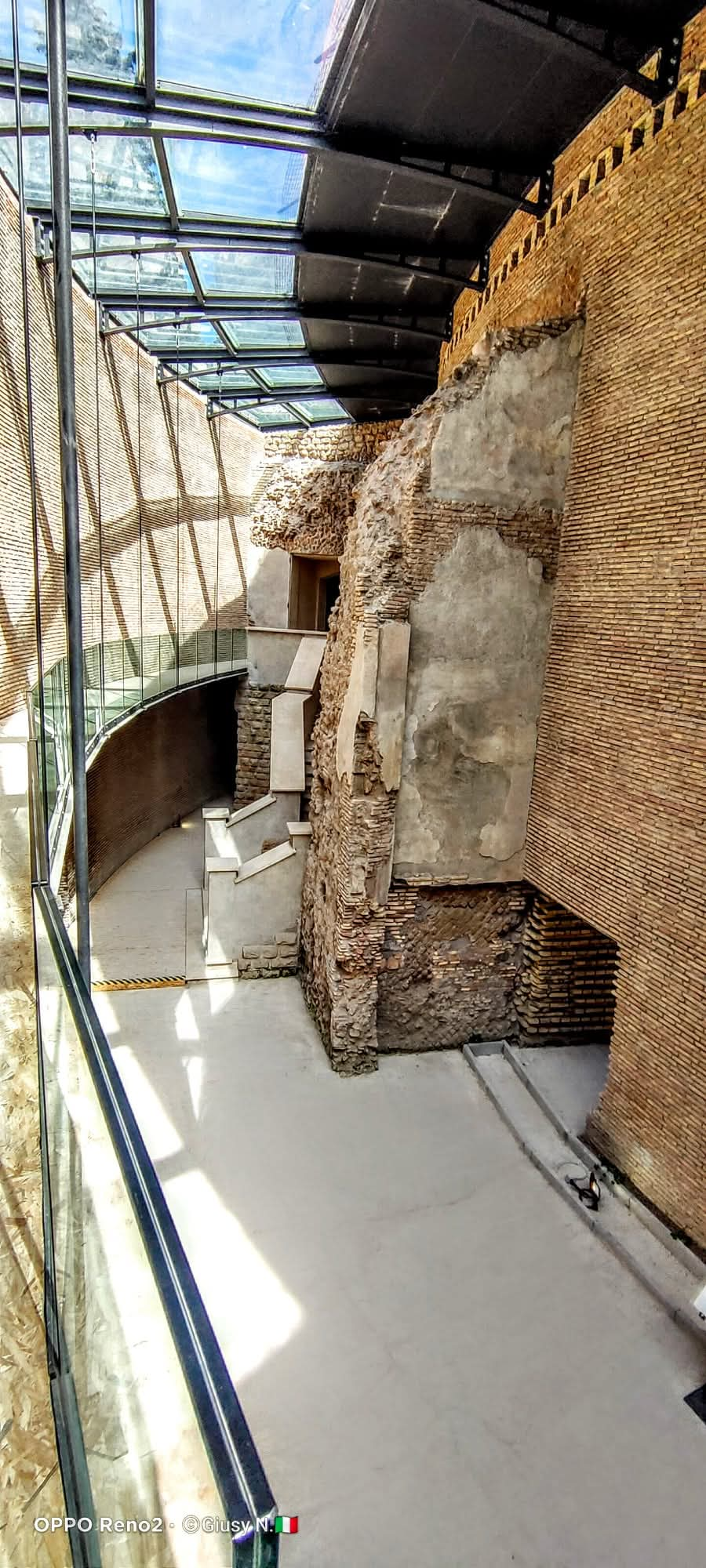
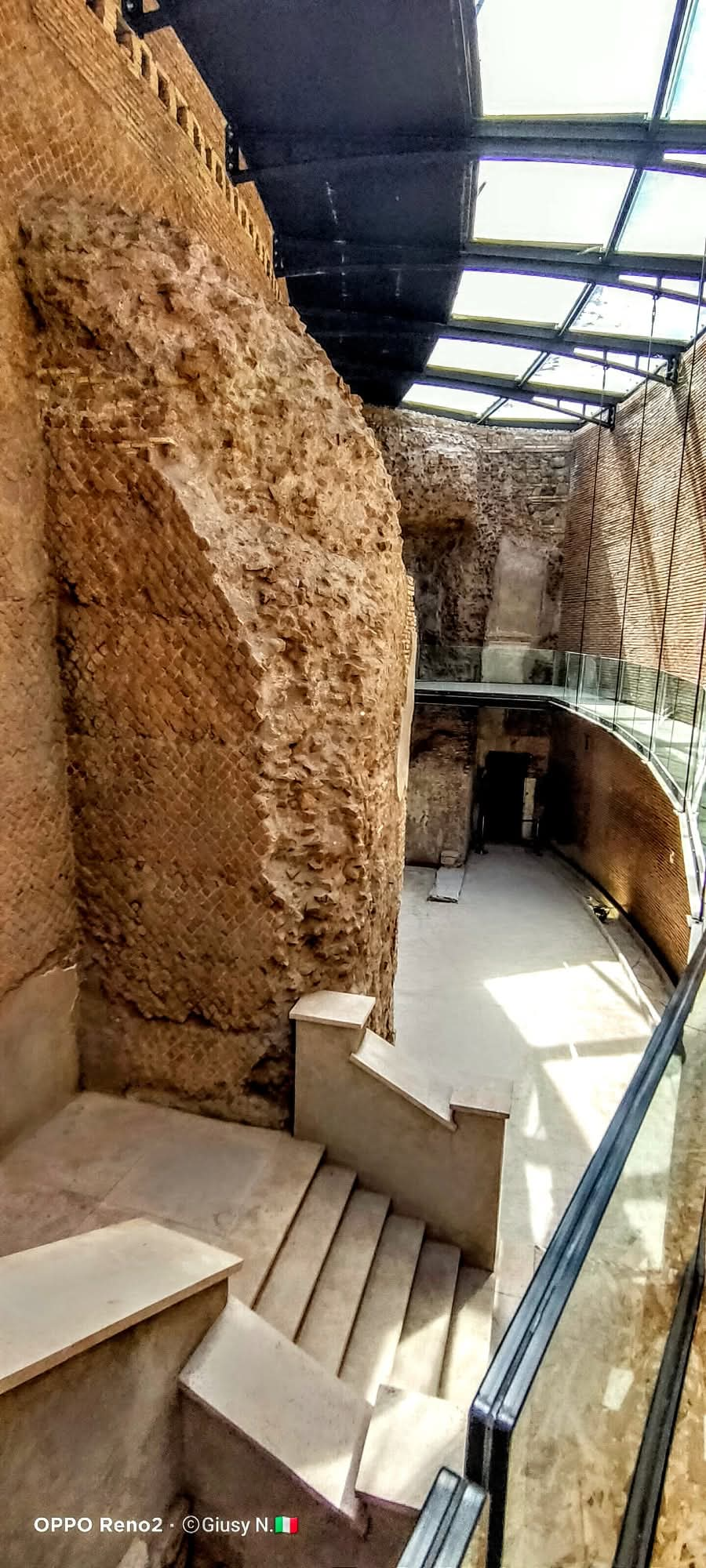
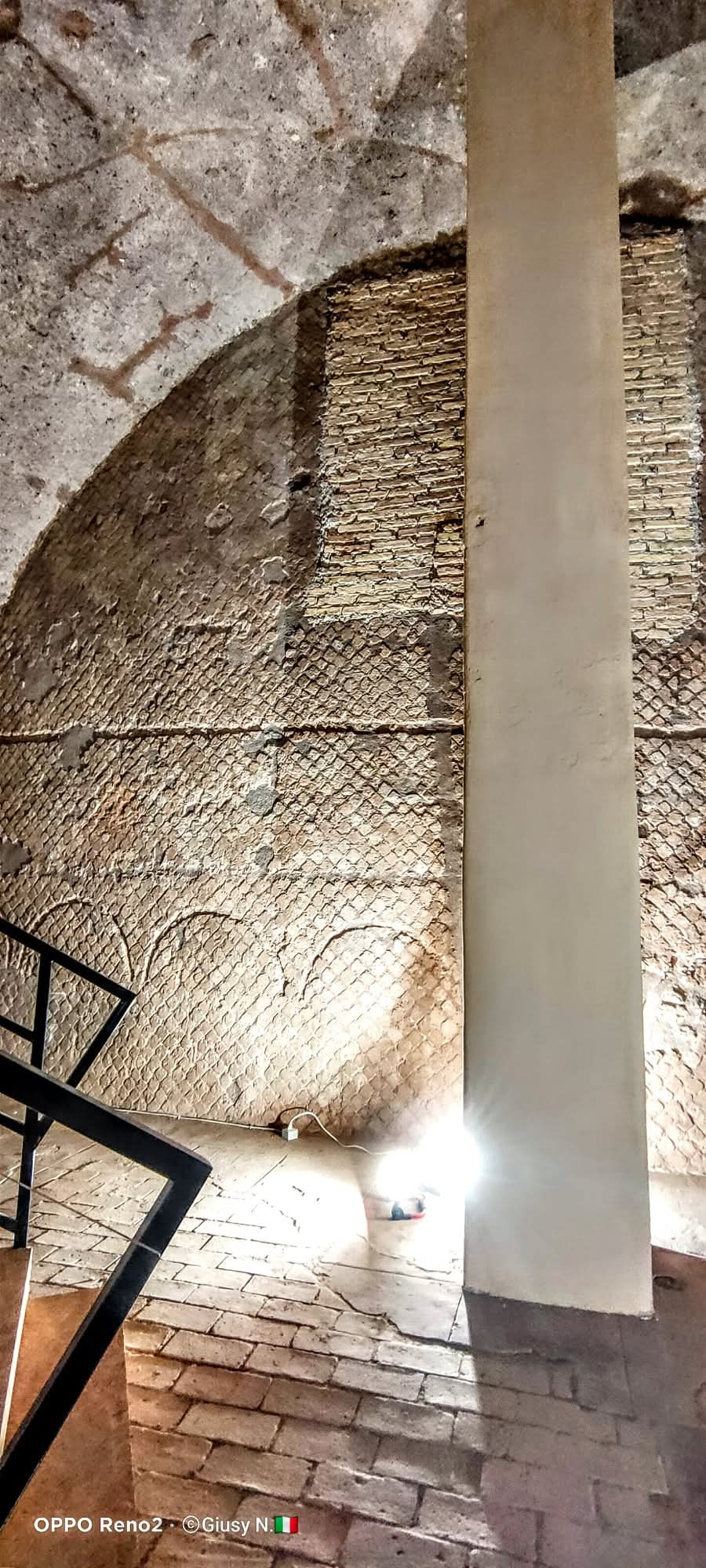
The monument is currently undergoing restoration and musealisation.
The Mausoleum of Augustus is not currently open for ordinary public visits.
Visits remain suspended while restoration, musealisation and visitor-access works continue.
Current works involve important internal areas of the monument, including the funerary cell, internal compartments, circulation spaces and visitor infrastructure.
Any projected completion date should not be treated as a guaranteed reopening date. Current official information should therefore be checked before planning a visit.
Contributor
Interior photography of the Mausoleum of Augustus reproduced on this page with credit to the photographer.
Explore more archaeological and historic places across Rome.
Build a journey around Rome's most significant archaeological spaces.
Underground Rome designs private archaeological journeys according to your interests, available time and the monuments that can genuinely be accessed during your stay.
Design Your Journeyby Rome Private Experience
Underground Rome is dedicated specifically to Rome's archaeological and historic subsurface.
For broader private programmes across Rome, corporate experiences and complex group arrangements, visit Rome Private Experience .