Crypta Balbi
An archaeological record the size of a city block.
Crypta Balbi is not the record of a single monument. It is the record of what happened when generations repeatedly occupied, altered and reused the same piece of Rome.
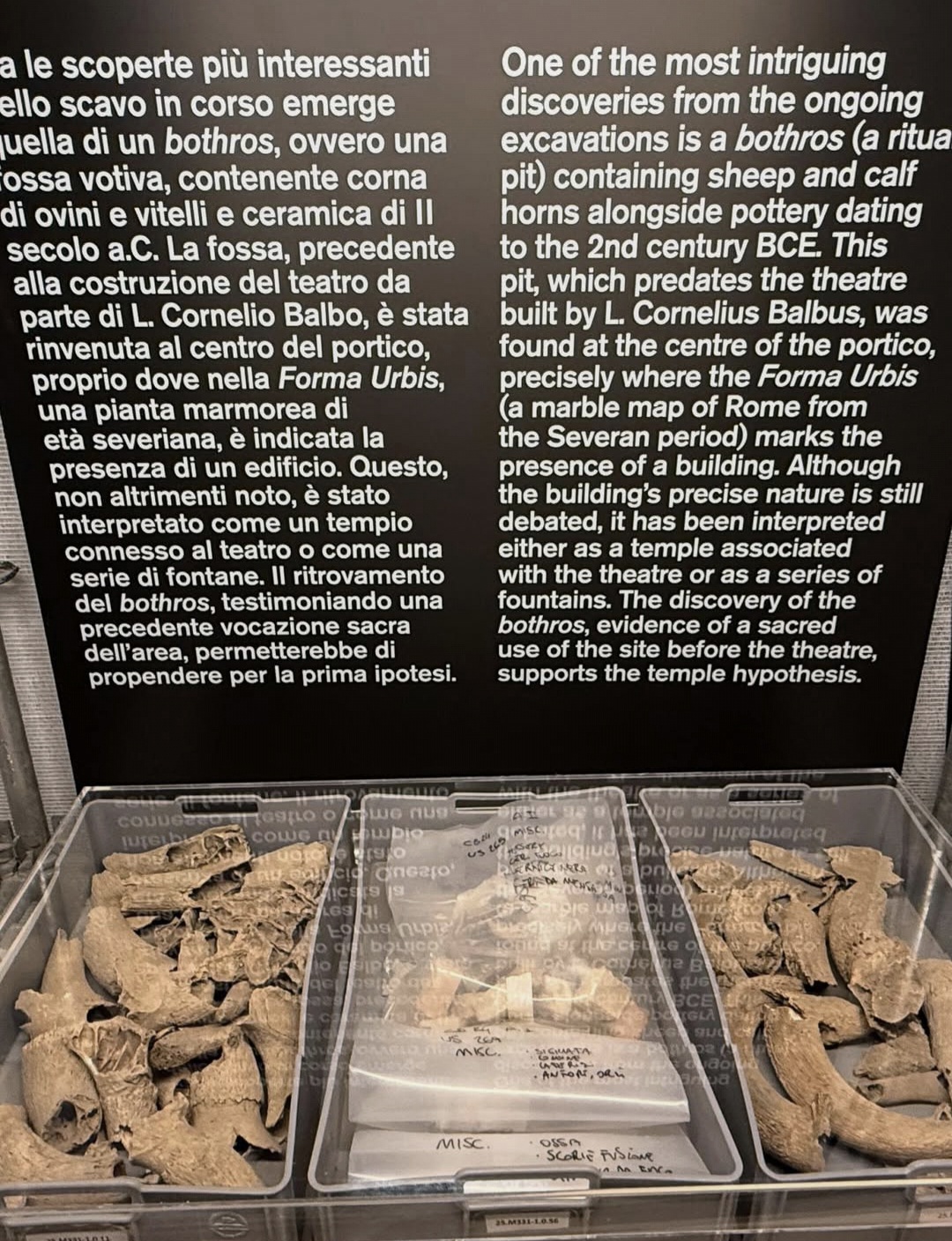
The archaeological complex takes its name from the portico associated with the Theatre of Balbus, constructed in 13 BC by Lucius Cornelius Balbus.
But the Roman theatre is only the beginning of the sequence. Houses, workshops, burials, manufacturing areas, religious buildings, medieval structures and later institutions gradually occupied and transformed the same urban space.
Archaeological investigation has made it possible to read these changes together. At Crypta Balbi, the city itself becomes the archaeological object.
Theatre, portico and exedra established the first monumental structure.
The Theatre of Balbus was the smallest of the three permanent stone theatres of ancient Rome. Behind it extended a colonnaded courtyard traditionally identified as the crypta, where spectators could gather during intervals or take shelter from bad weather.
On the side opposite the theatre stood a large semicircular exedra. These architectural elements established a monumental framework that would continue to influence the organisation of the area long after the theatre had lost its original function.
During the Imperial period the surrounding district was not simply monumental. Residential and productive activities developed immediately around the complex.
This coexistence of public architecture, housing, commerce and production is fundamental to understanding Crypta Balbi: archaeology here records an inhabited district rather than an isolated ancient monument.
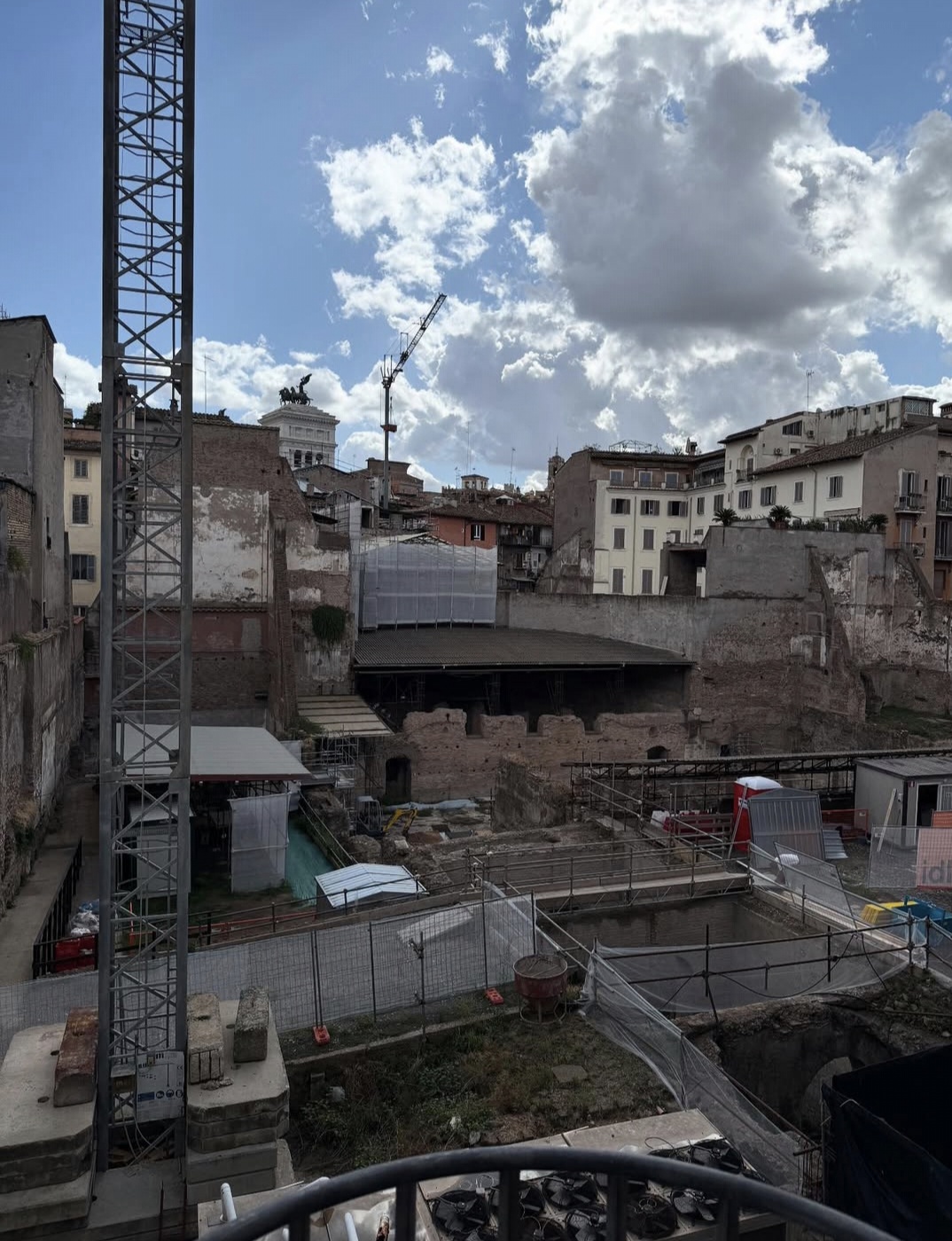
The same ground changed function again and again.
Archaeological stratigraphy does not preserve history as a neat succession of intact monuments. Walls are incorporated into new buildings. Materials are removed and reused. Floors rise. Streets change. Spaces acquire new purposes.
Crypta Balbi allows these processes to be examined across an unusually long sequence, connecting Imperial Rome with Late Antiquity, the Middle Ages and the modern city.
Monumental Rome
The Theatre of Balbus, its portico and exedra establish the monumental Roman framework of the site.
Residential Quarter
Housing and commercial activity develop east of the exedra, including a bakery, a fullery and a Mithraeum.
Burials
Parts of the former monumental area acquire a funerary function as tombs occupy the exedra.
Production & Disposal
The exedra receives material associated with nearby productive activity, recording a different economy and use of the district.
Lime Kiln
Ancient marble is processed into lime, turning the material of the Roman city into a resource for later construction.
Church
Santa Maria Domine Rose is established within the former portico of the ancient theatre.
Medieval Balneum
A small heated bath complex serving a nearby monastic community occupies part of the exedra.
Another Urban Fabric
Santa Caterina dei Funari and later buildings continue the transformation of the block into the modern period.
Not only monuments: houses, work and daily life.
Between the first century and the fifth to sixth centuries AD, a residential district developed east of the exedra.
Archaeology identified two-storey buildings as well as spaces connected with everyday economic and religious life: a bakery, a fullery used in the treatment of textiles and a Mithraeum.
These remains change the scale of the story. The archaeology of Crypta Balbi is not limited to imperial architecture; it records how people inhabited and worked within a changing central Roman neighbourhood.
Roman architecture became raw material for another city.
One of the clearest changes in the archaeological sequence is the conversion of former monumental space into an area of production.
During the eighth and ninth centuries a lime kiln operated in the exedra. Marble recovered from Roman buildings could be burnt to produce lime, a material required by later construction.
This process physically reduced ancient architecture while simultaneously generating the material from which a new urban environment could be built.
At Crypta Balbi, therefore, reuse is not an abstract historical idea. It can be read archaeologically in the changing functions of spaces and in the treatment of the materials themselves.
Abandonment
Monumental spaces lose their original functions and become available for different forms of occupation.
Recovery
Stone, marble and architectural elements are treated as usable material rather than as protected ancient remains.
Reconstruction
The physical substance of earlier Rome contributes to the construction and maintenance of the city that follows it.
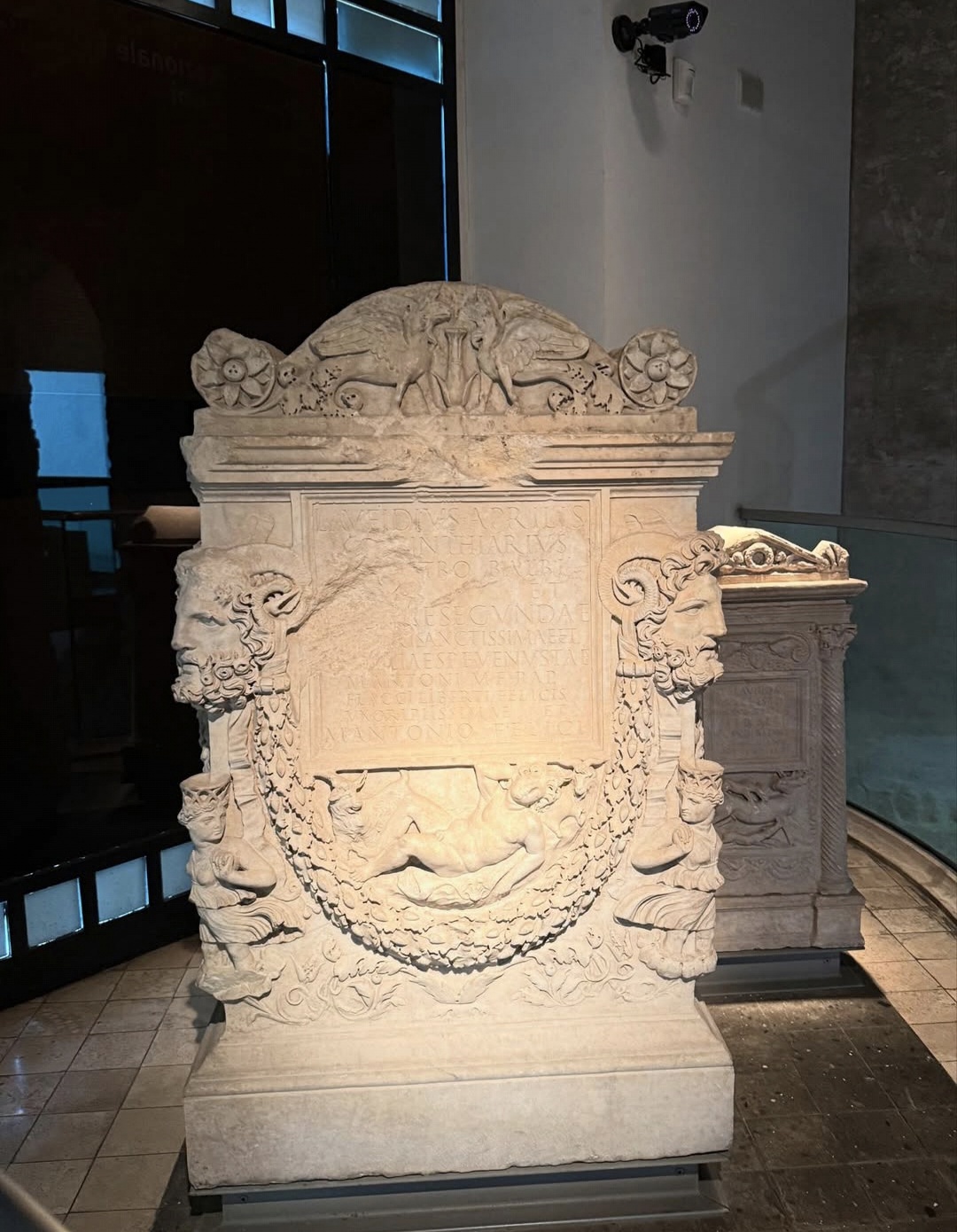
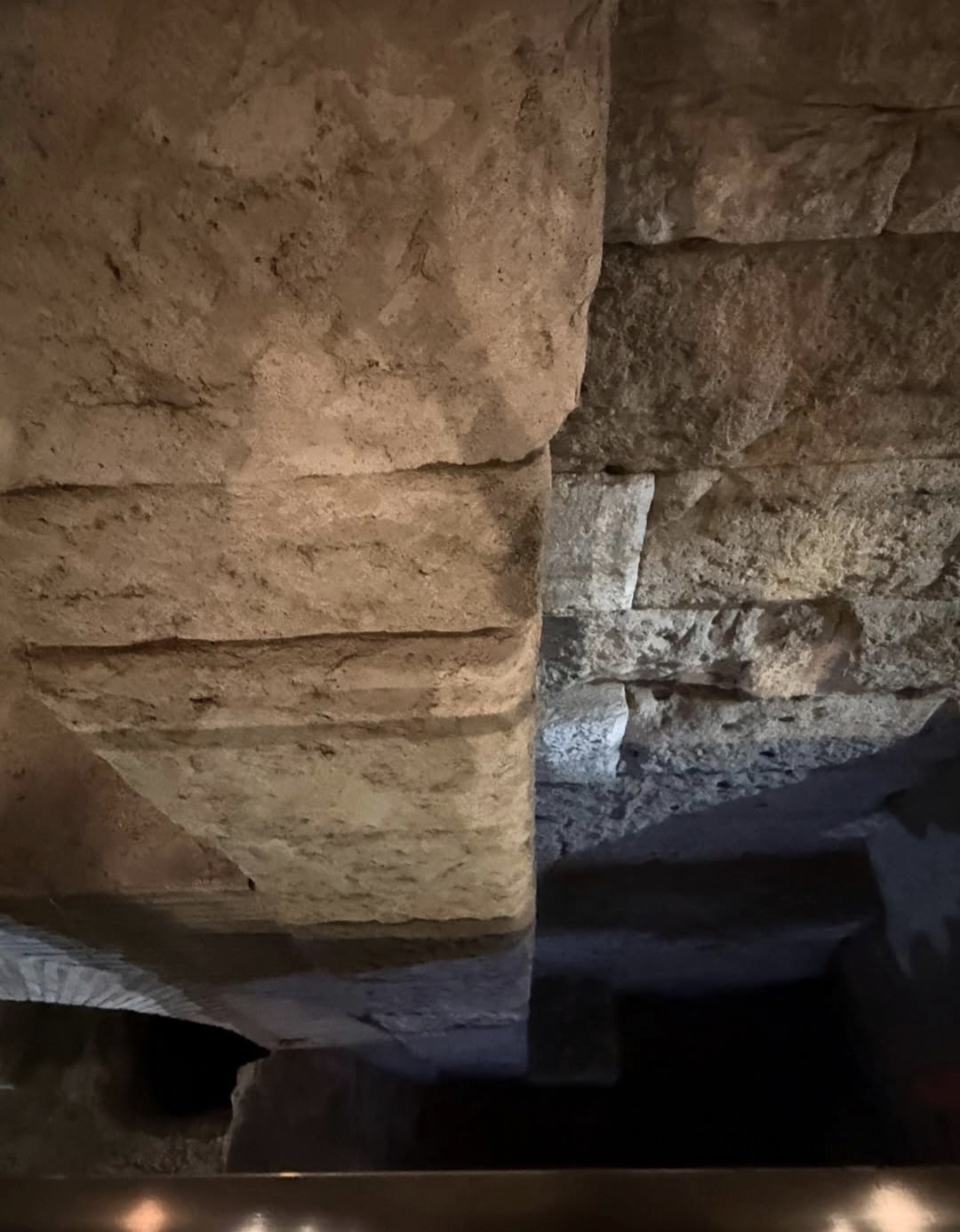
What archaeologists can reconstruct from one urban context.
Changing ground levels
Floors, deposits and later construction alter the physical relationship between successive phases of occupation.
Changing functions
The same area can move from entertainment to housing, burial, manufacturing, religious use and domestic occupation.
Changing materials
Ancient building material is dismantled, moved, processed and incorporated into later phases of the city.
Changing communities
Objects and structures record residents, craftspeople, merchants and religious communities across different periods.
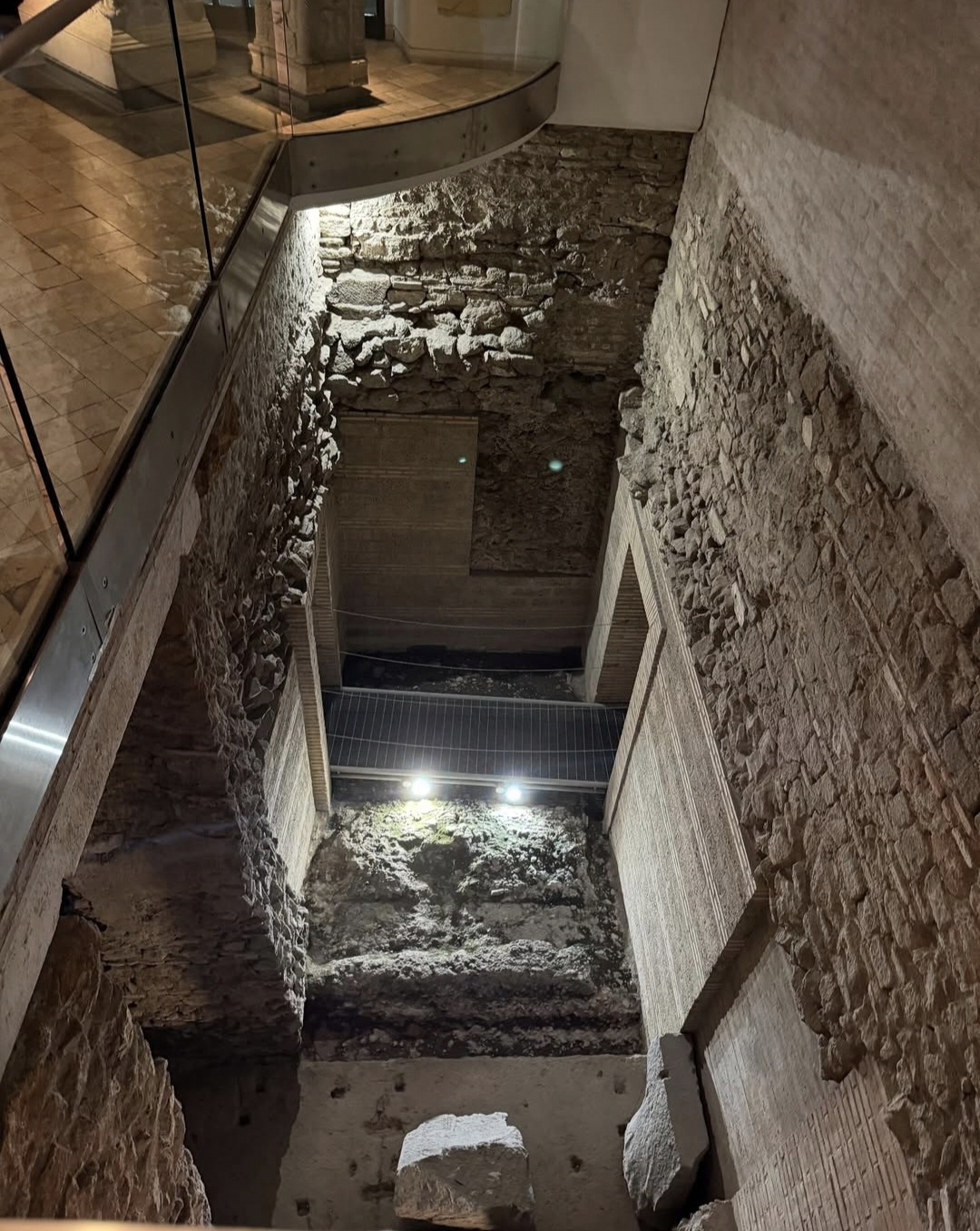
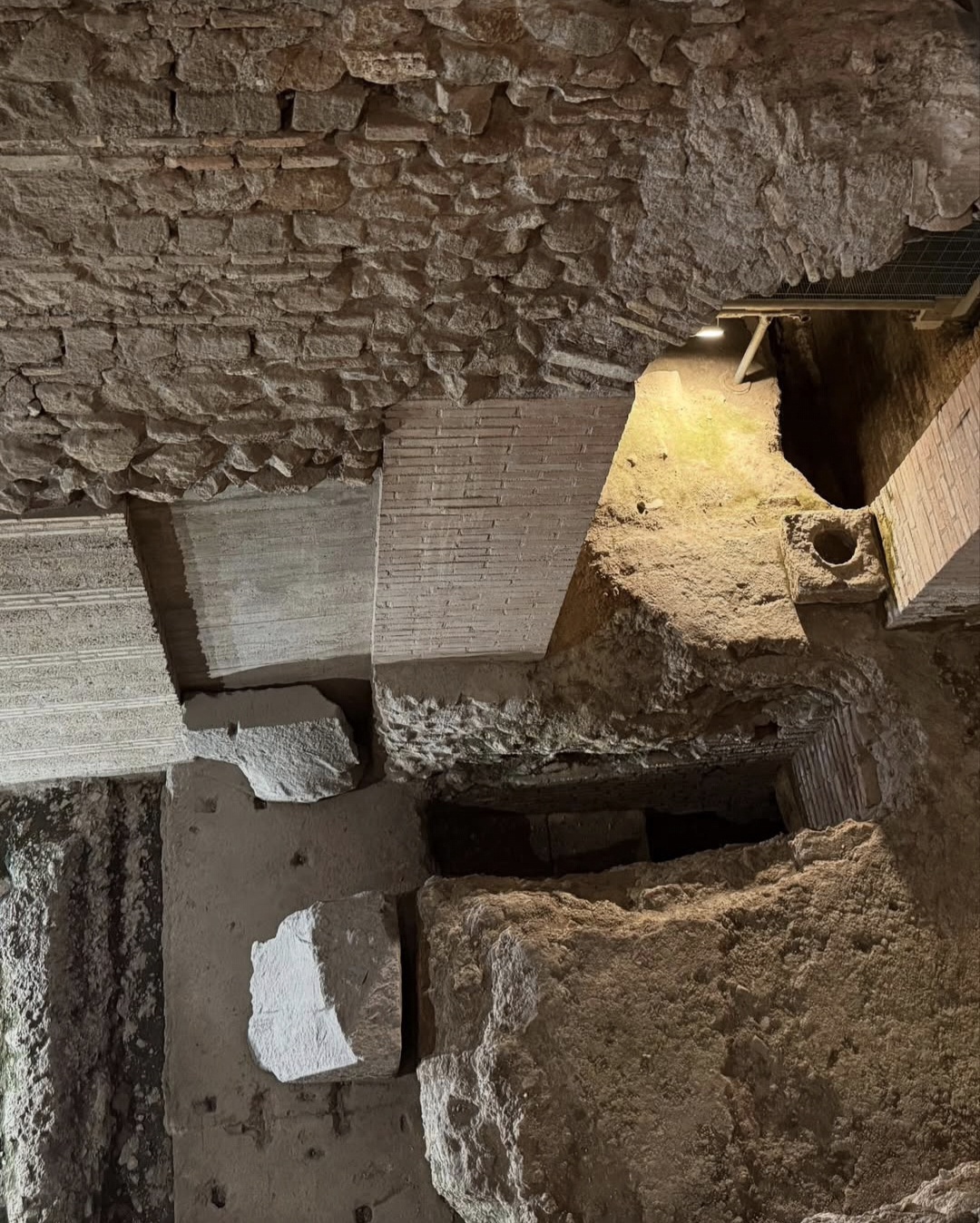
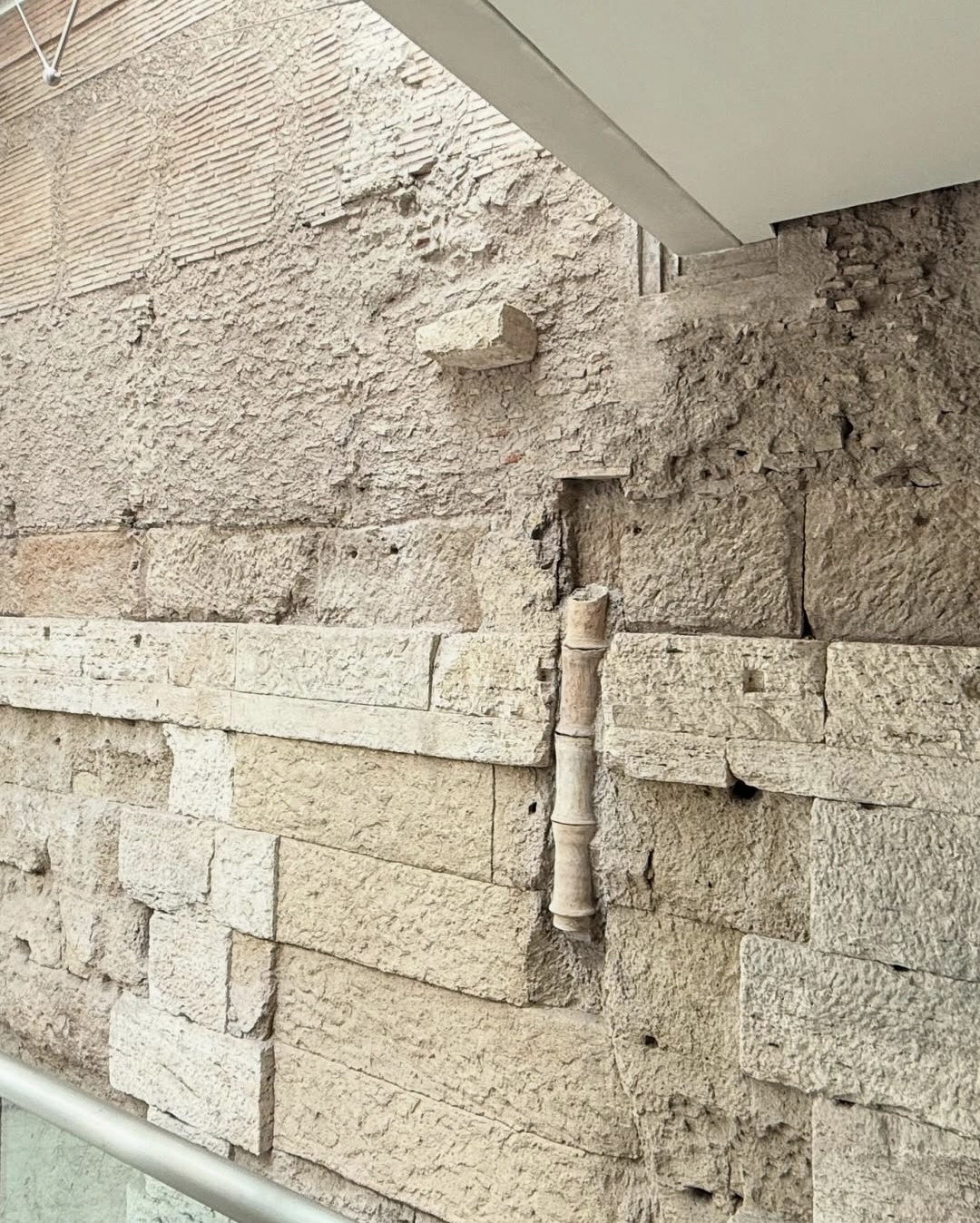
Ancient ruins did not end the life of the neighbourhood.
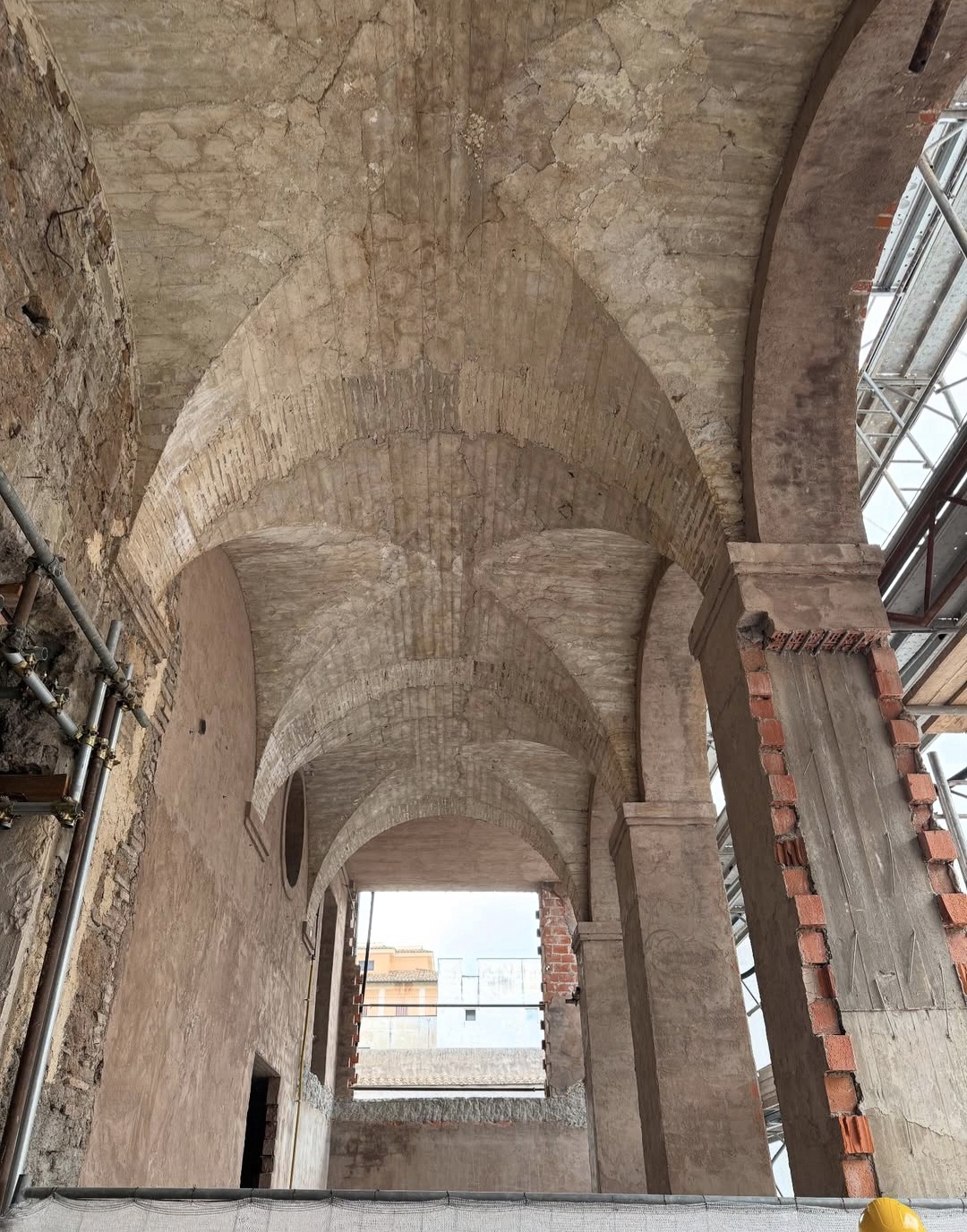
During the medieval period the former Roman complex became part of a different city. New dwellings were built against surviving ancient walls, while merchants and workshops occupied the area.
The name Via delle Botteghe Oscure still preserves a memory of the commercial spaces that developed within this changing urban environment.
From the eleventh to the fourteenth century, a small balneum occupied part of the exedra. Two heated rooms with suspended floors and a furnace for heating water served monks from a nearby monastery.
The installation demonstrates that the Roman tradition of heated bathing did not simply vanish. It survived in a reduced and altered form within medieval Rome.
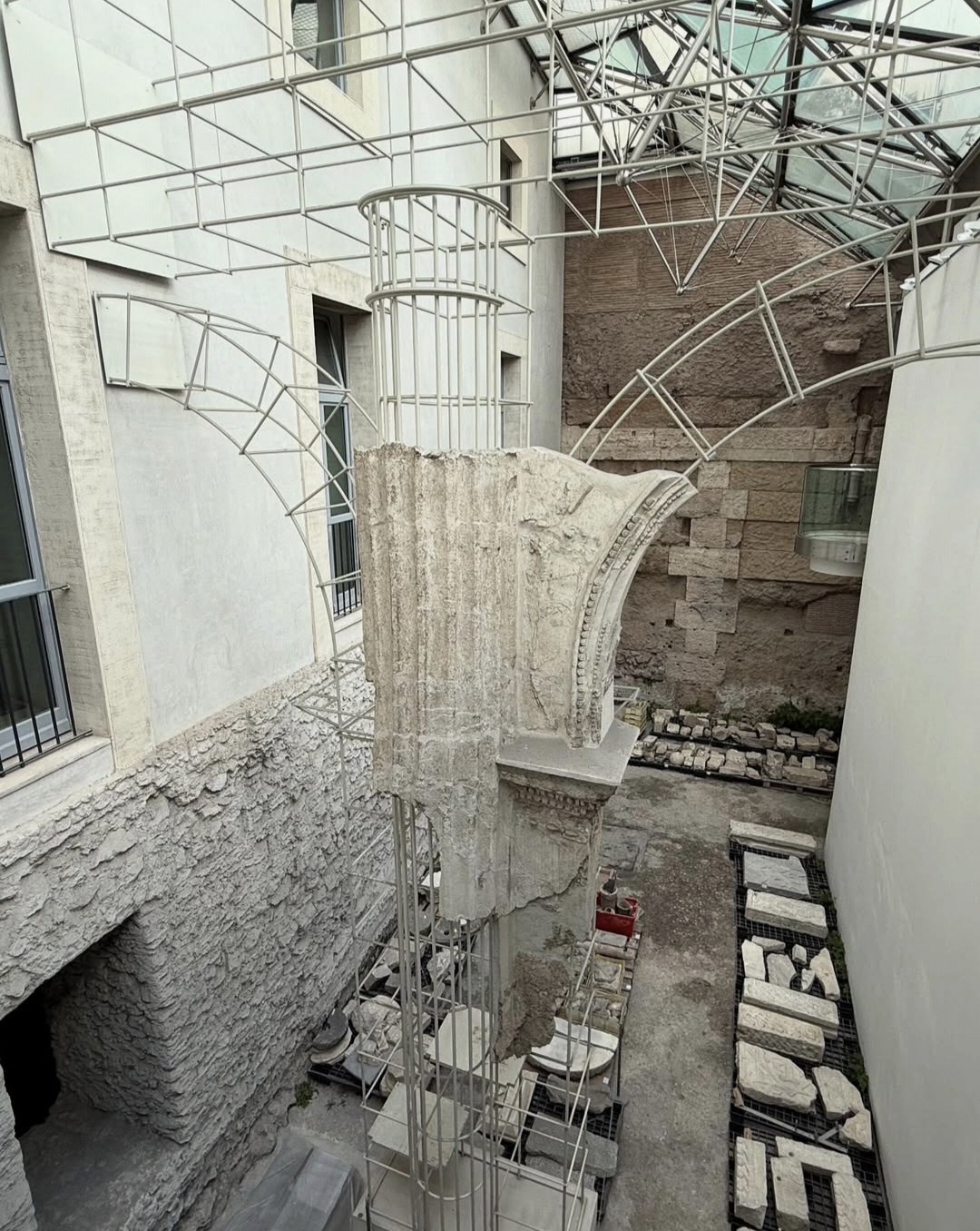
Crypta Balbi explains how Rome physically became another Rome.
Many archaeological sites are presented through the monument that originally occupied them. Crypta Balbi works differently. Its significance lies in the sequence itself.
Roman architecture, late antique occupation, production, burial, medieval religious life, housing and modern construction are not separate stories here. Each altered what came before it.
That makes the site particularly important for understanding urban stratigraphy. Modern Rome did not simply replace the ancient city on a single date. It developed through repeated modification of existing structures, materials and ground levels.
At Crypta Balbi, that process can be studied within the physical limits of a single block.
Access is currently restricted and programme-dependent.
Crypta Balbi is part of the Museo Nazionale Romano and remains affected by an ongoing programme of archaeological investigation, restoration and redevelopment.
Current access arrangements should be checked directly with the Museo Nazionale Romano before planning a visit. Special reservation-based visits may operate while ordinary museum access remains restricted.
Institutional Sources
Alessandro Tanzilli
The photographs documenting Crypta Balbi on this page are by Alessandro Tanzilli. @alessandrotanz_
Design Your Journey
Underground Rome creates private archaeological journeys selected around your interests, available access and time in the city.
Design Your Journey →Underground Rome is the specialist archaeological project of Rome Private Experience. Corporate programmes, incentive travel and complex private arrangements are managed through Rome Private Experience.
Rome Private Experience →