Drugstore Museum & Portuense Necropolis
An archaeological site incorporated into the modern city.
In 1967, construction on Via Portuense encountered Roman tombs. They were not removed. The new building was constructed around them.
The remains belonged to the extensive funerary landscape that developed along the ancient road leading southwest from Rome toward the Tiber and the port system.
Instead of becoming an isolated archaeological enclosure, part of the necropolis survived inside the commercial basement of the twentieth-century building at Via Portuense 317.
This unusual relationship between Roman burial architecture and modern construction eventually became the defining feature of the Drugstore Museum.
Burial architecture followed one of Rome's roads toward the Tiber.
Roman funerary landscapes developed outside the inhabited city, frequently lining the principal roads that entered and left Rome. The Portuense sector preserves evidence of this relationship between movement, property and burial.
Tombs were not distributed randomly. Their position beside the road gave the dead a visible place within a landscape crossed by travellers, merchants and residents.
The archaeological remains now incorporated into the Drugstore Museum belong to this broader system rather than to a single isolated cemetery.
Other surviving sections of the same funerary landscape are distributed across the modern Portuense district, forming the Circuito Necropoli Portuense.
A construction site encountered a Roman cemetery.
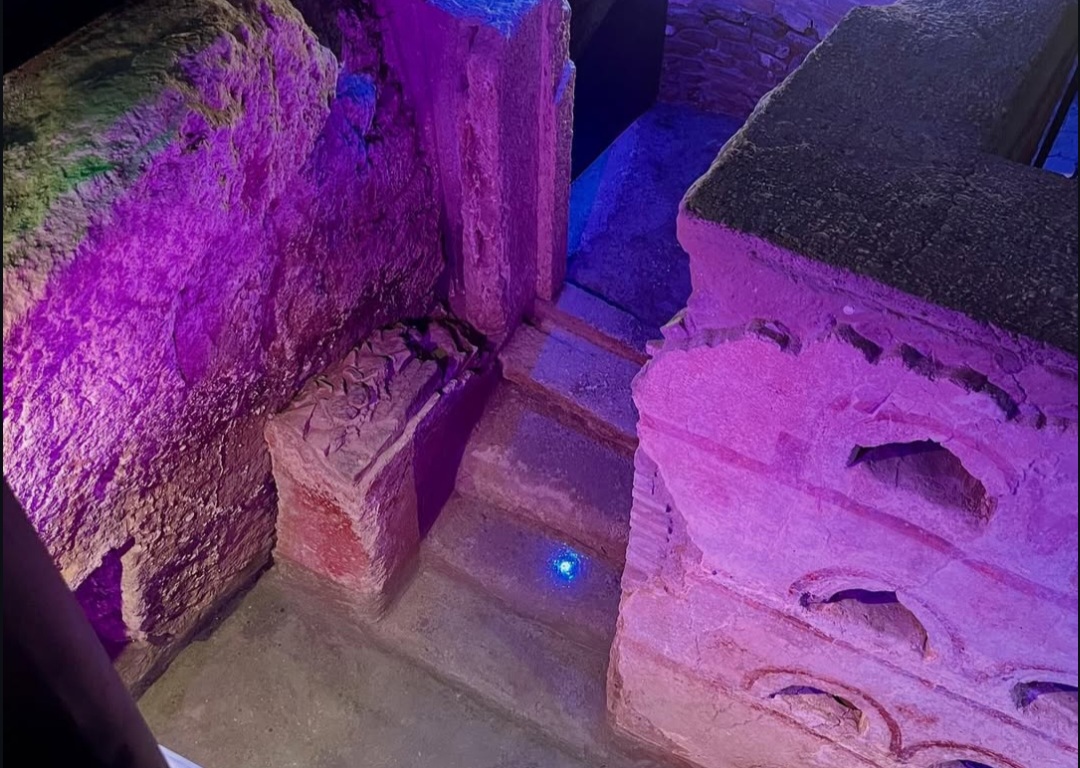
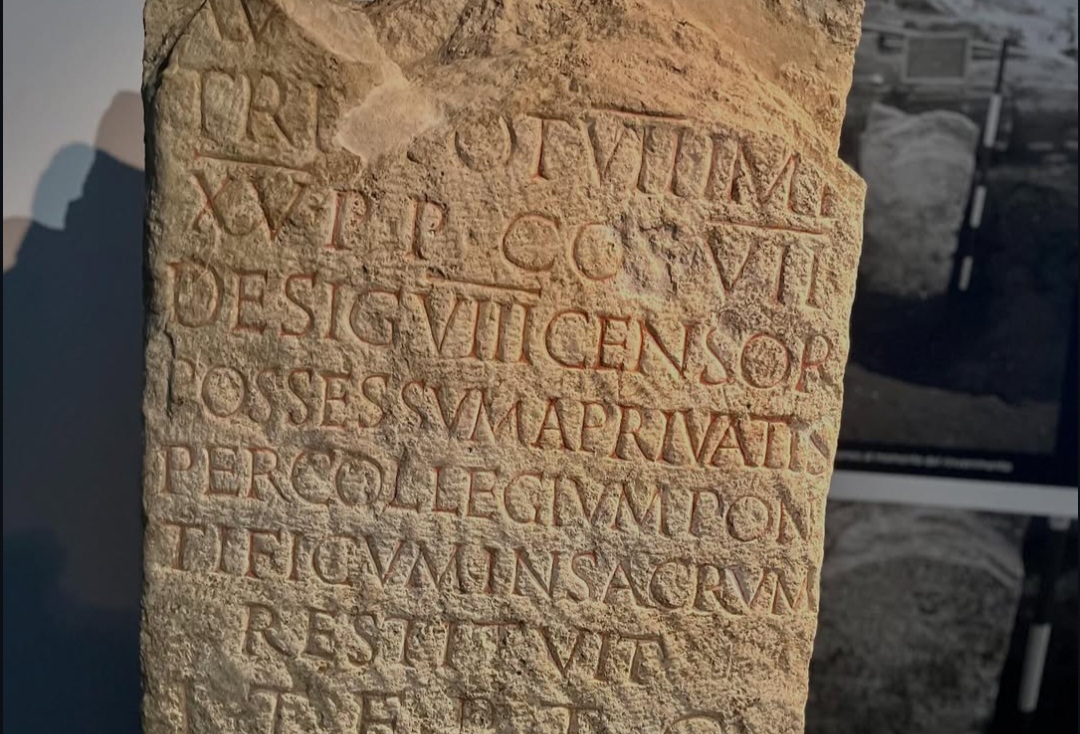
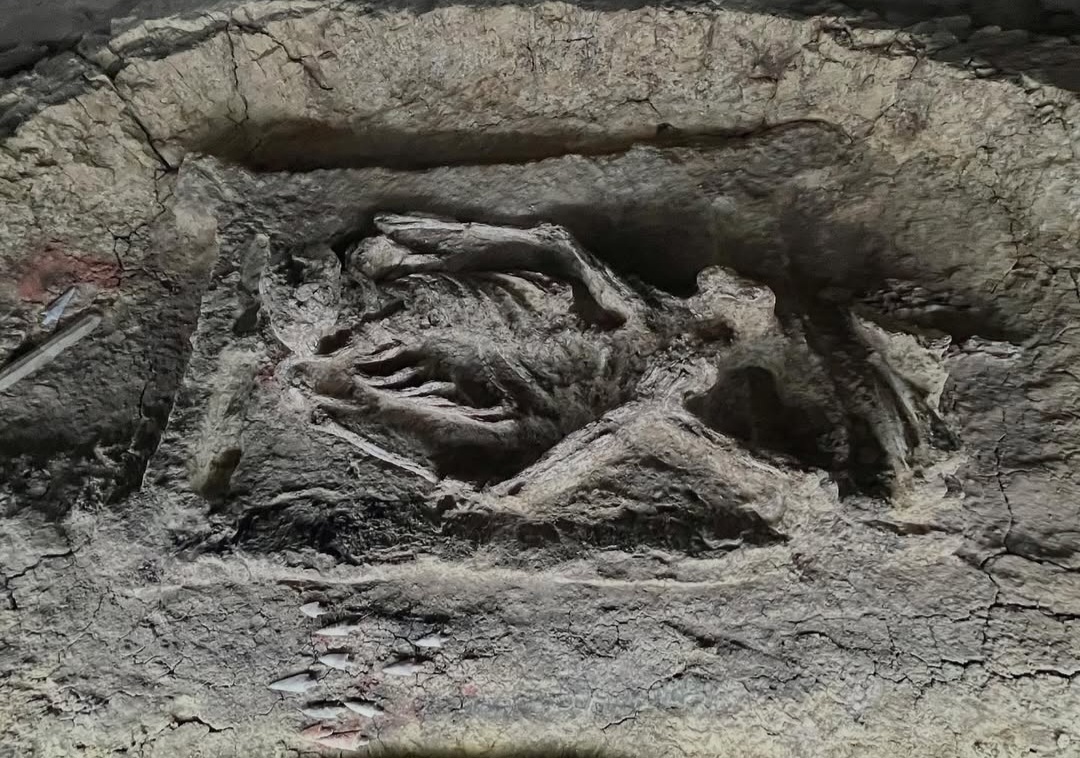
The modern history of the site begins with construction. When the building at Via Portuense 317 was erected in 1967, Roman Imperial funerary structures emerged below the planned commercial level.
The decision was taken to retain the archaeological remains inside the basement rather than eliminate them.
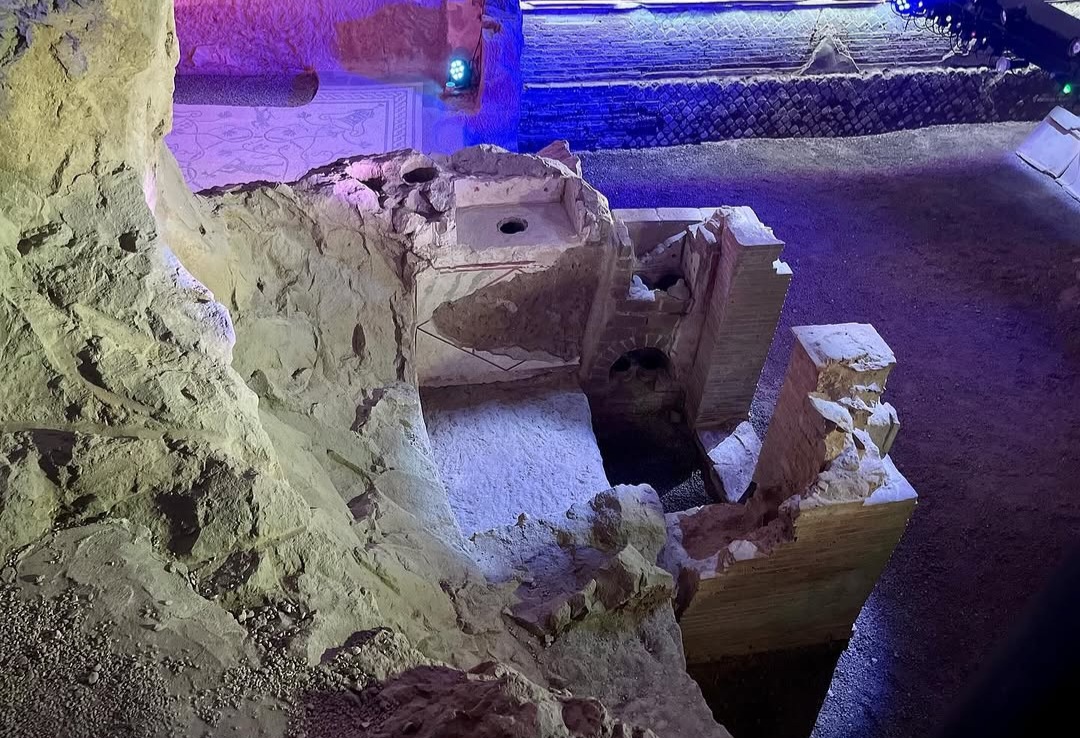
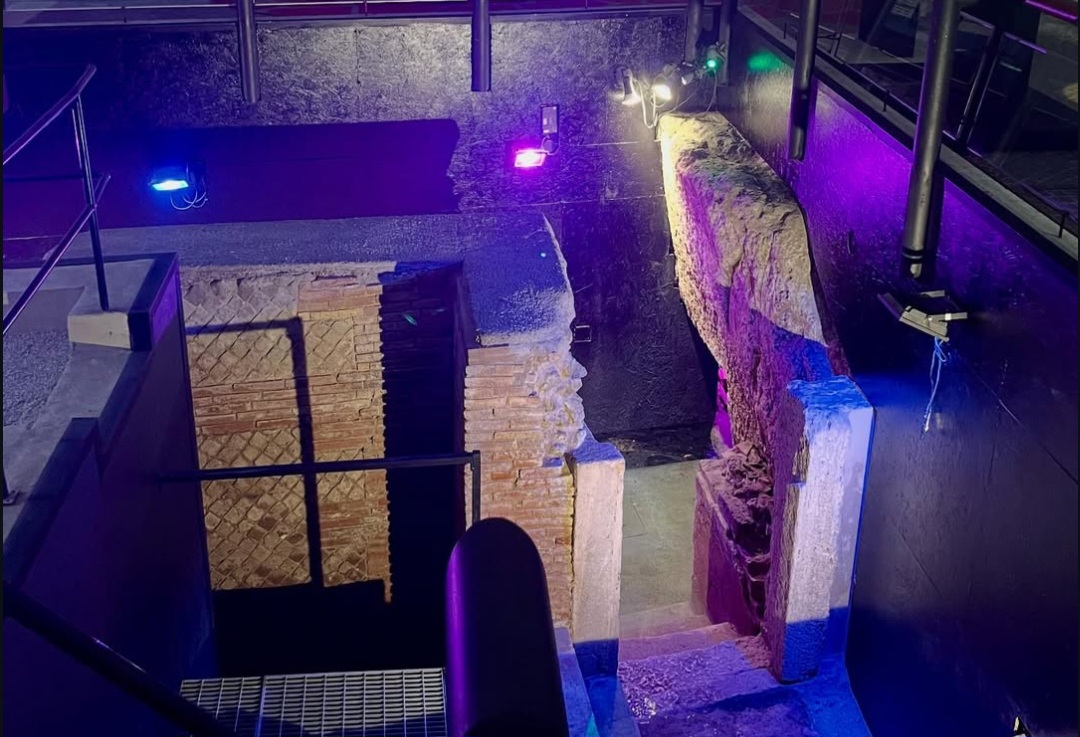
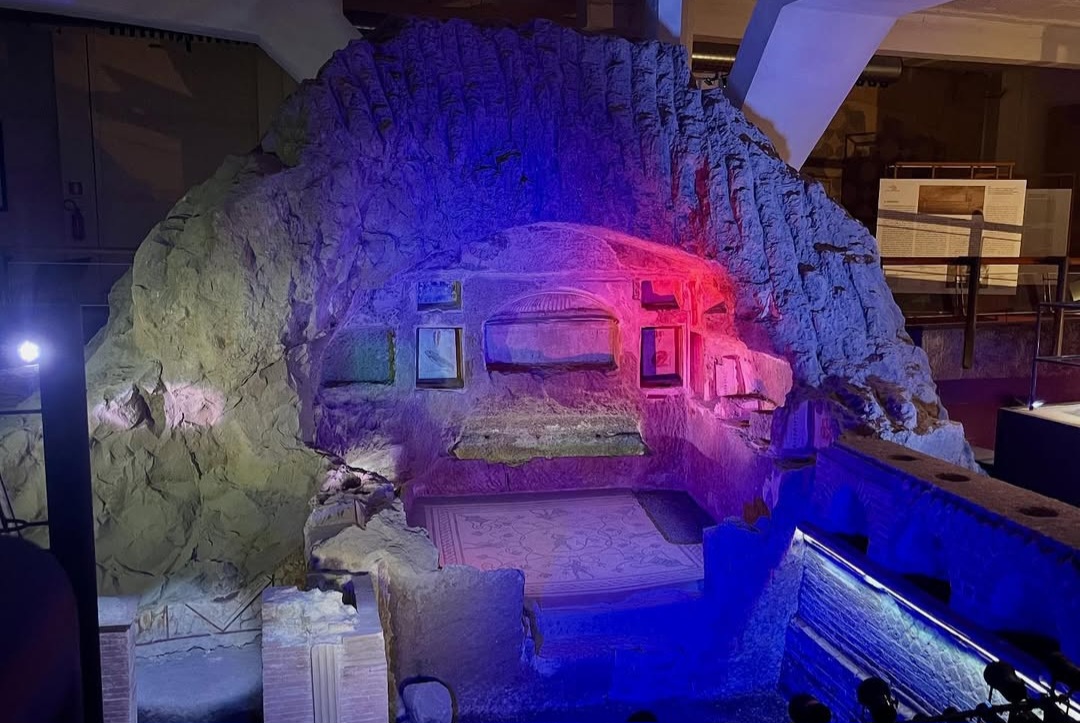
The result is an unusual form of archaeological preservation. The ancient structures and the modern building are not separated by an archaeological park or an open excavation.
They form part of the same architectural volume: Roman tombs occupy space inside a building designed almost two millennia later.
Architecture organised around the treatment of the dead.
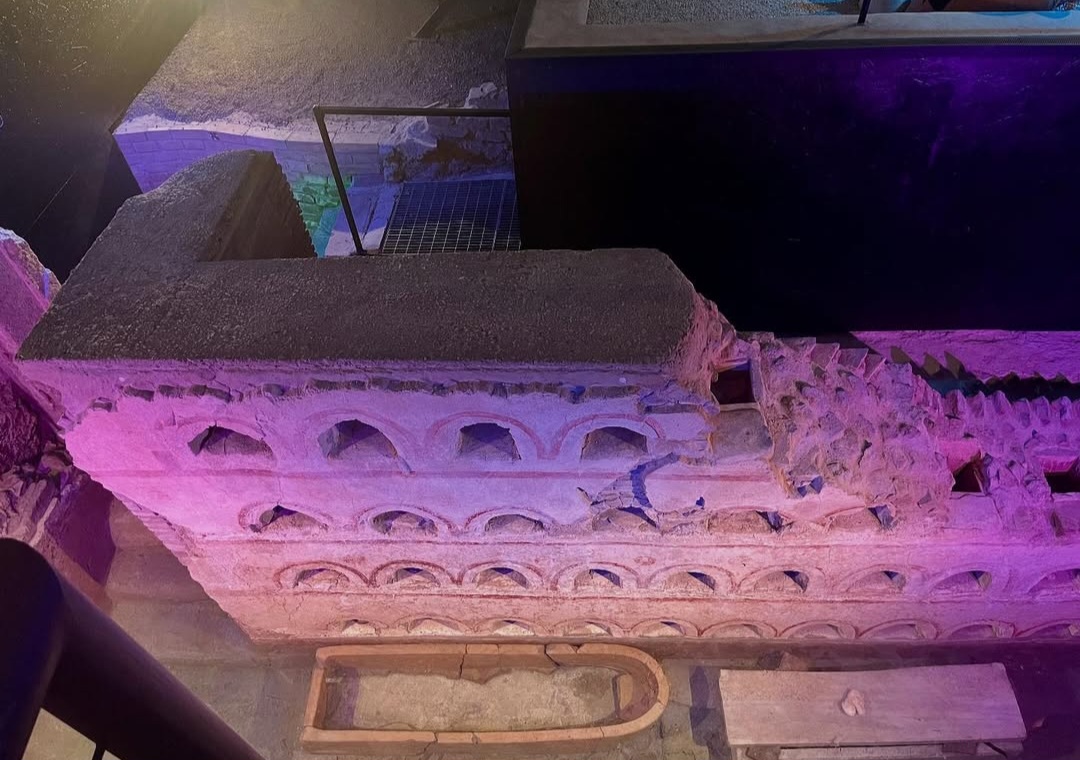
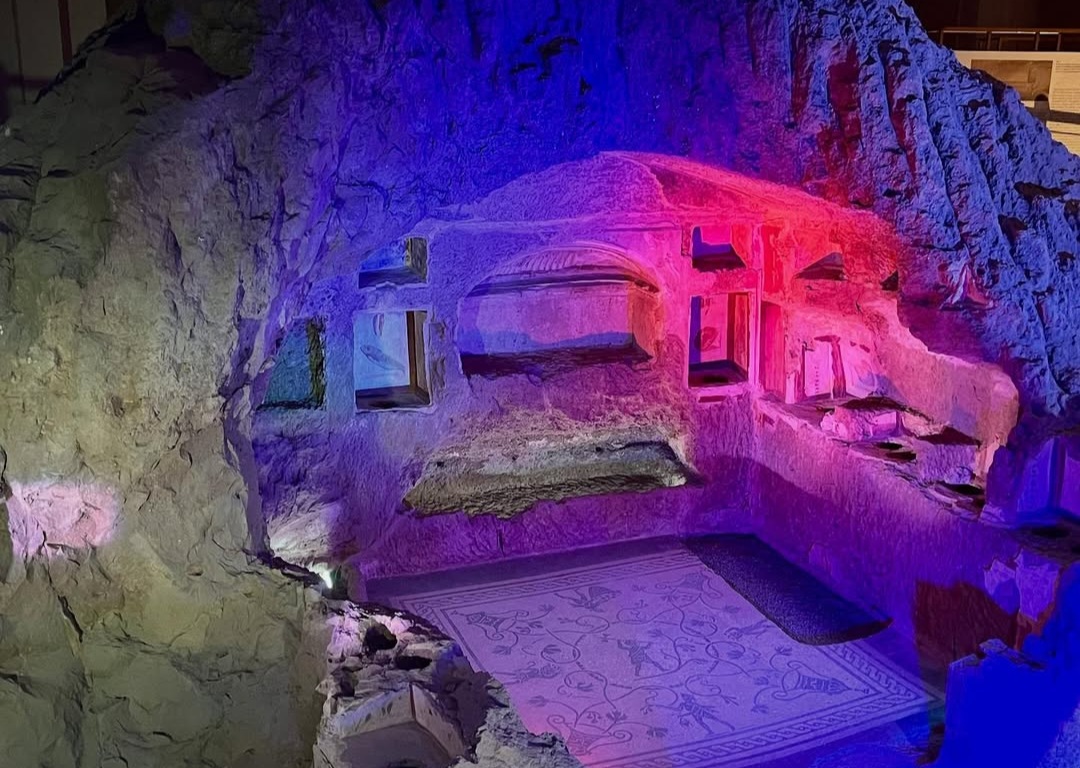
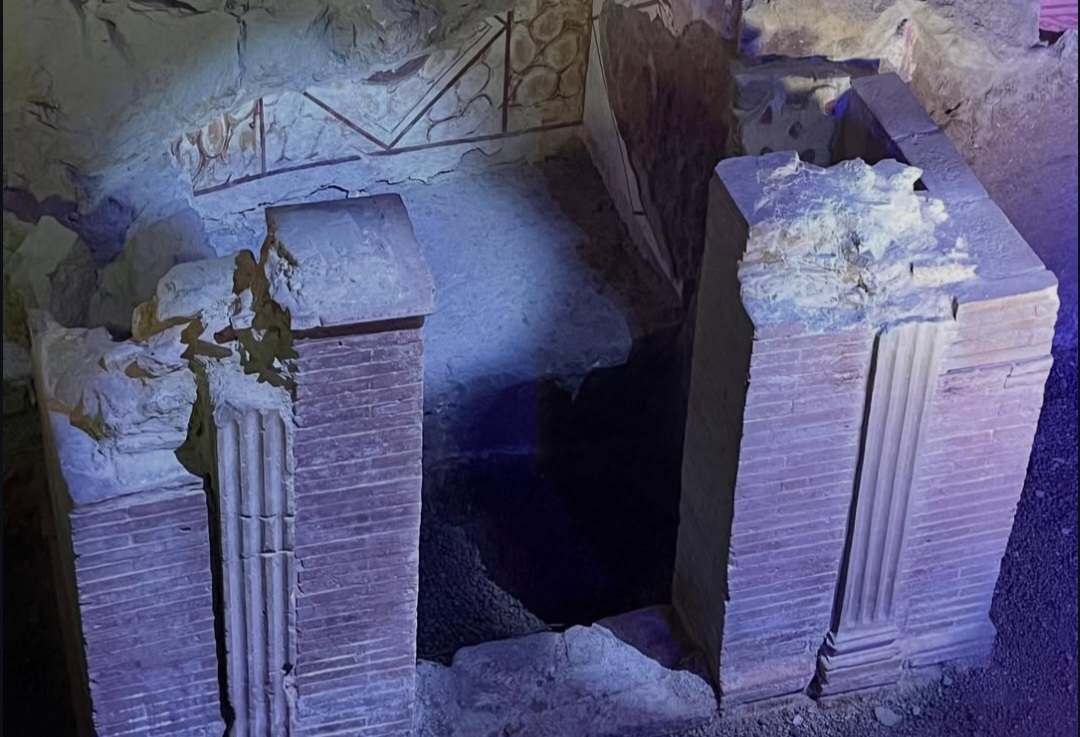
The funerary structures preserve evidence for different forms of burial and for the organisation of enclosed tomb chambers.
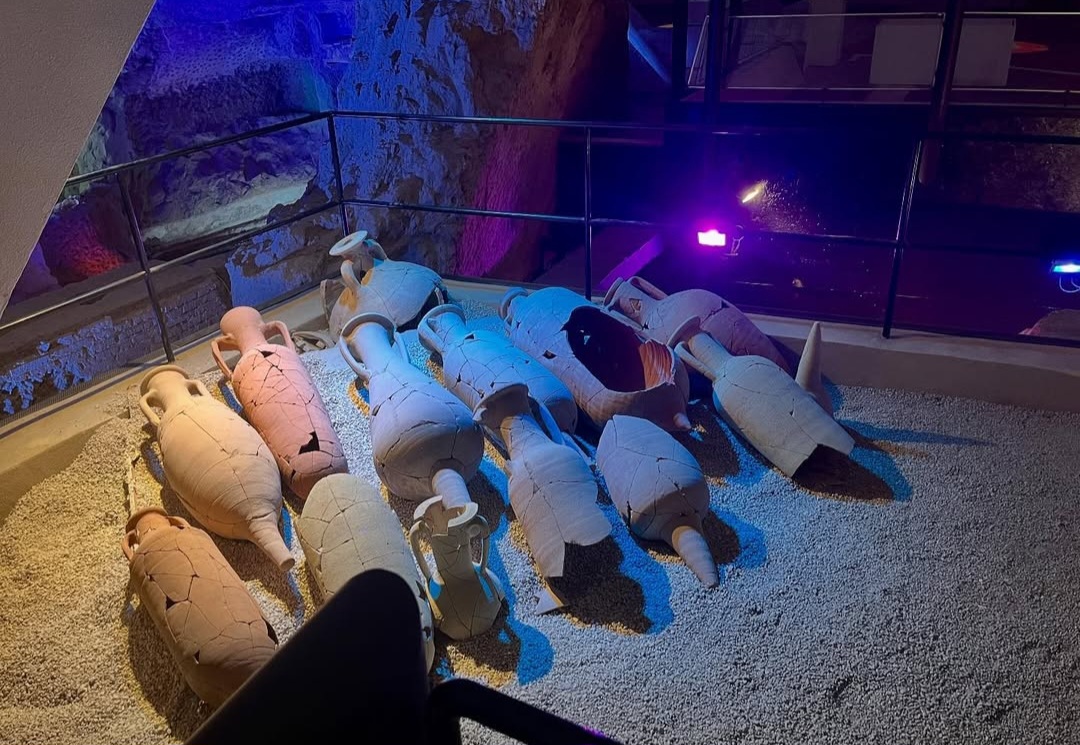
Niches in the walls could accommodate vessels associated with cremation burials, while later funerary practices introduced different types of deposition into the same broader landscape.
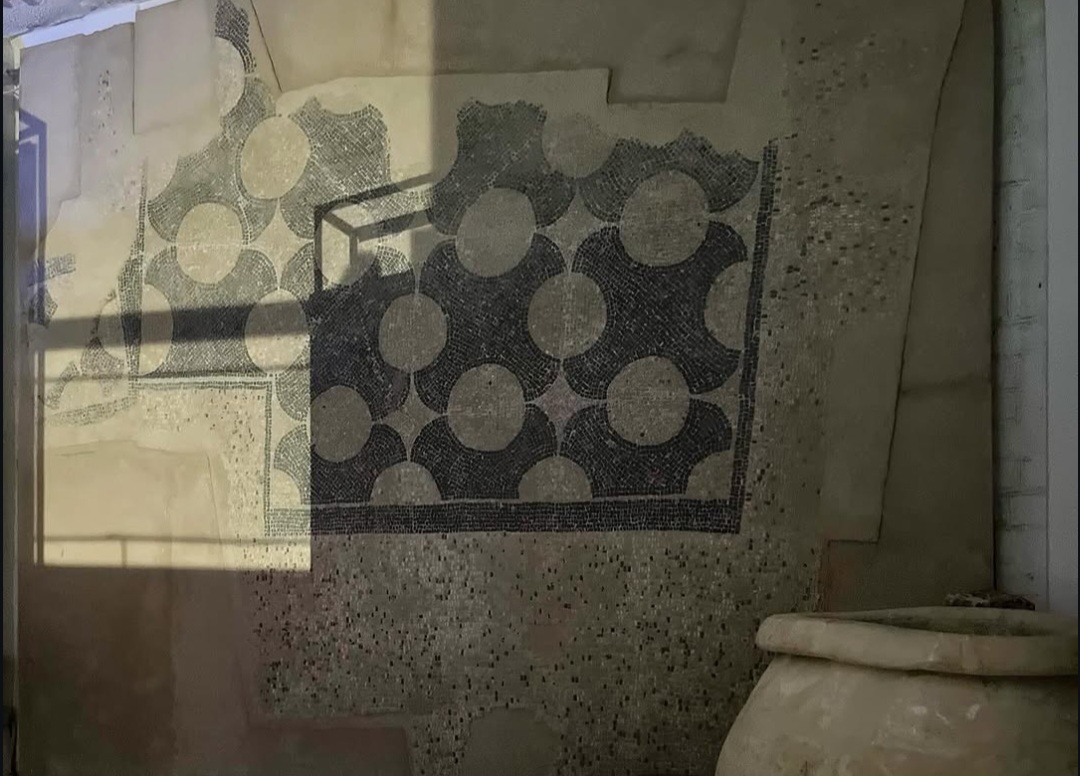
Painted plaster, architectural surfaces and funerary imagery demonstrate that these were constructed environments designed both for burial and for the commemoration of the deceased.
Images and objects gave the chambers their visual language.
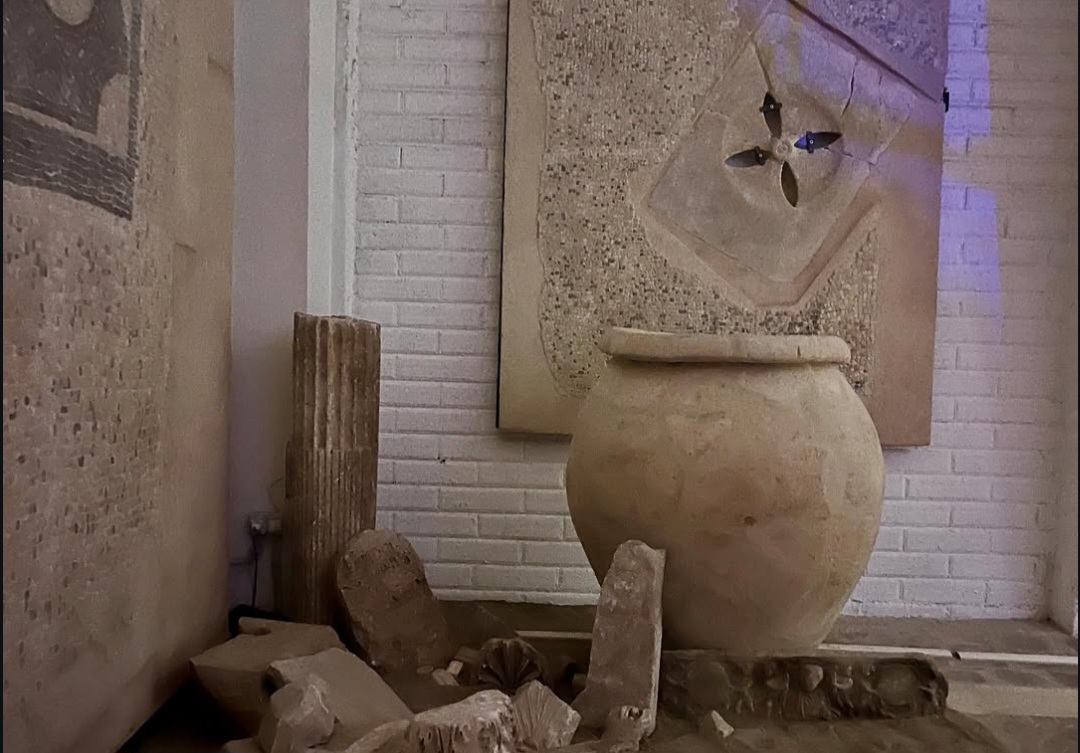
Roman tomb interiors could be carefully articulated through plaster, painted bands and figurative decoration. The surviving monuments of the Portuense necropolis preserve traces of this visual organisation.
Birds, flowers, fruit, garlands, marine animals and still-life motifs documented within the circuit belong to a wider repertoire used in Roman funerary environments.
The modern setting became an archaeological experiment of its own.
Funerary landscape
Tombs and associated structures develop along the ancient road corridor outside the urban centre.
Modern construction
Building works reveal Roman funerary structures at Via Portuense 317.
The Drugstore
The archaeological remains are integrated into the commercial environment of what became known as Rome's Drugstore.
Museum and territorial circuit
The site develops into a museum and the focal point of a wider archaeological circuit across the Portuense district.
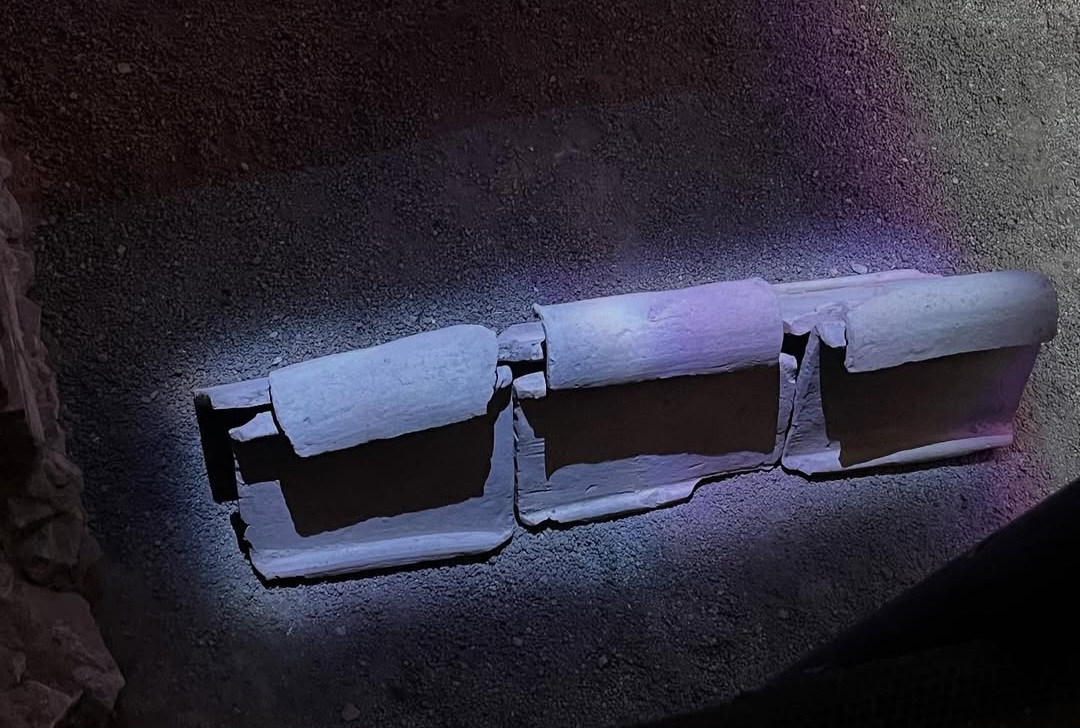
The necropolis extends beyond the walls of the museum.
The Drugstore Museum is the focal point of a territorial archaeological circuit rather than the complete necropolis. Other surviving areas preserve different portions of the ancient road and its funerary landscape.
Reading these sites together reconnects archaeological remains that the expansion of modern Rome has physically separated. The present neighbourhood overlays a landscape that once developed along the ancient Campana-Portuensis corridor.
Drugstore Museum
Roman funerary structures incorporated into the basement at Via Portuense 317.
Vigna Pia
Open-air section of the Portuense necropolis with funerary monuments dating principally between the first and third centuries AD.
Pozzo Pantaleo
Archaeological area preserving a basalt-paved section of the ancient Via Campana.
Tomb of the Heron
Painted funerary chamber discovered in 1966 in the modern Portuense district.
Preservation did not require separating archaeology from everyday Rome.
The Drugstore Museum presents a different model from the monumental archaeological parks of central Rome.
Its archaeological value is encountered inside the ordinary fabric of a twentieth-century neighbourhood: beneath apartments, beside roads and within a building originally designed for contemporary commercial use.
That condition makes the site particularly useful for understanding how archaeological remains continue to influence the physical development of modern Rome.
The city does not end where archaeology begins. At Via Portuense 317, both occupy the same building.
A Roman funerary landscape survives inside the contemporary Portuense district.
Currently closed for restoration.
The Drugstore Museum is managed within the Circuito Necropoli Portuense by the Soprintendenza Speciale Archeologia, Belle Arti e Paesaggio di Roma.
The Ministry of Culture reports that the museum has been closed since 1 July 2026 for restoration and works intended to improve visitor access. Check the official site for reopening information before planning a visit.
Institutional Sources
Alessandro Tanzilli
The photographs documenting the Drugstore Museum and Portuense archaeological context on this page are by Alessandro Tanzilli. @alessandrotanz_
Design Your Journey
Underground Rome creates private archaeological journeys selected around your interests, available access and time in the city.
Design Your Journey →Underground Rome is the specialist archaeological project of Rome Private Experience. Corporate programmes, incentive travel and complex private arrangements are managed through Rome Private Experience.
Rome Private Experience →