Fountain of Anna Perenna
A car park excavation found a sanctuary.
In 1999, excavation for an underground car park near Piazza Euclide encountered archaeological remains between approximately six and ten metres below the modern street.
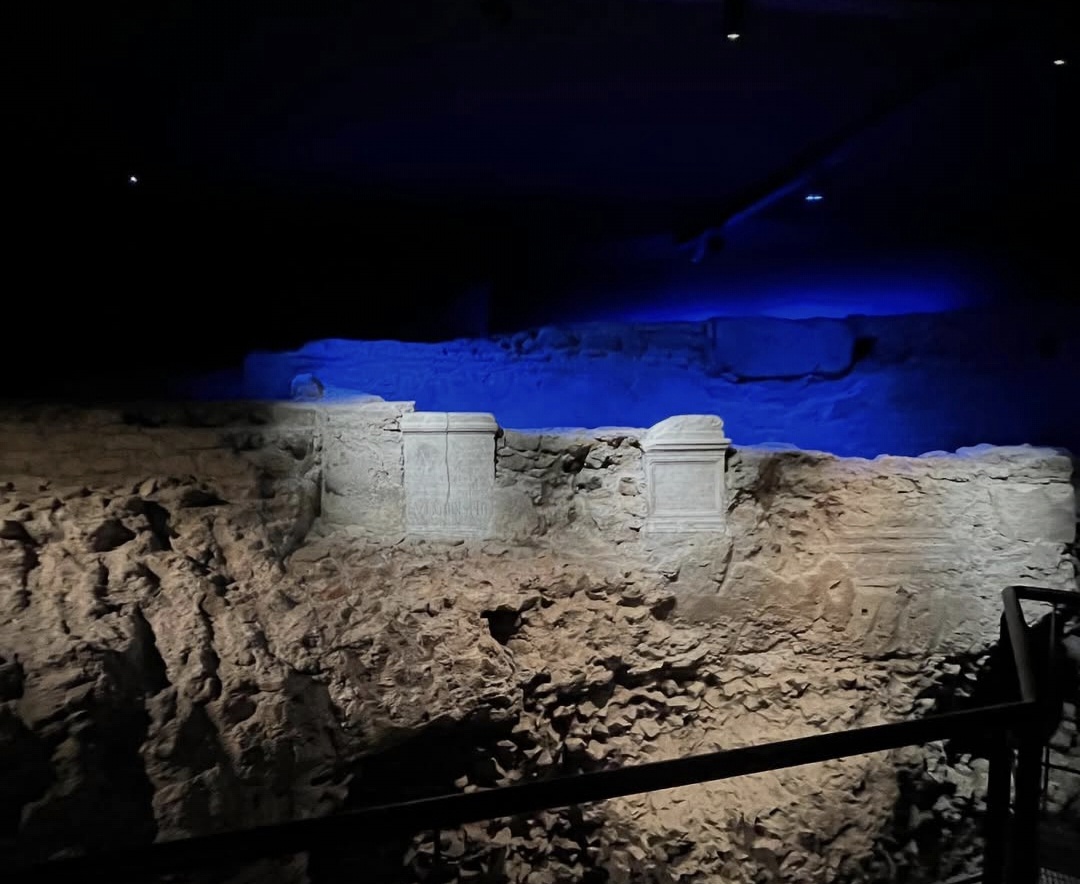
What emerged was a rectangular fountain connected to a spring and cistern. Inscriptions incorporated into its masonry identified the cult associated with the site: Anna Perenna, an ancient Roman divinity linked with the renewal of the year.
The discovery provided something archaeology rarely obtains so clearly: a named cult, its physical setting and the material traces of rituals performed there.
Water gave the sanctuary its physical centre.
The archaeological complex includes a rectangular fountain supplied by a cistern that captured water from a natural source.
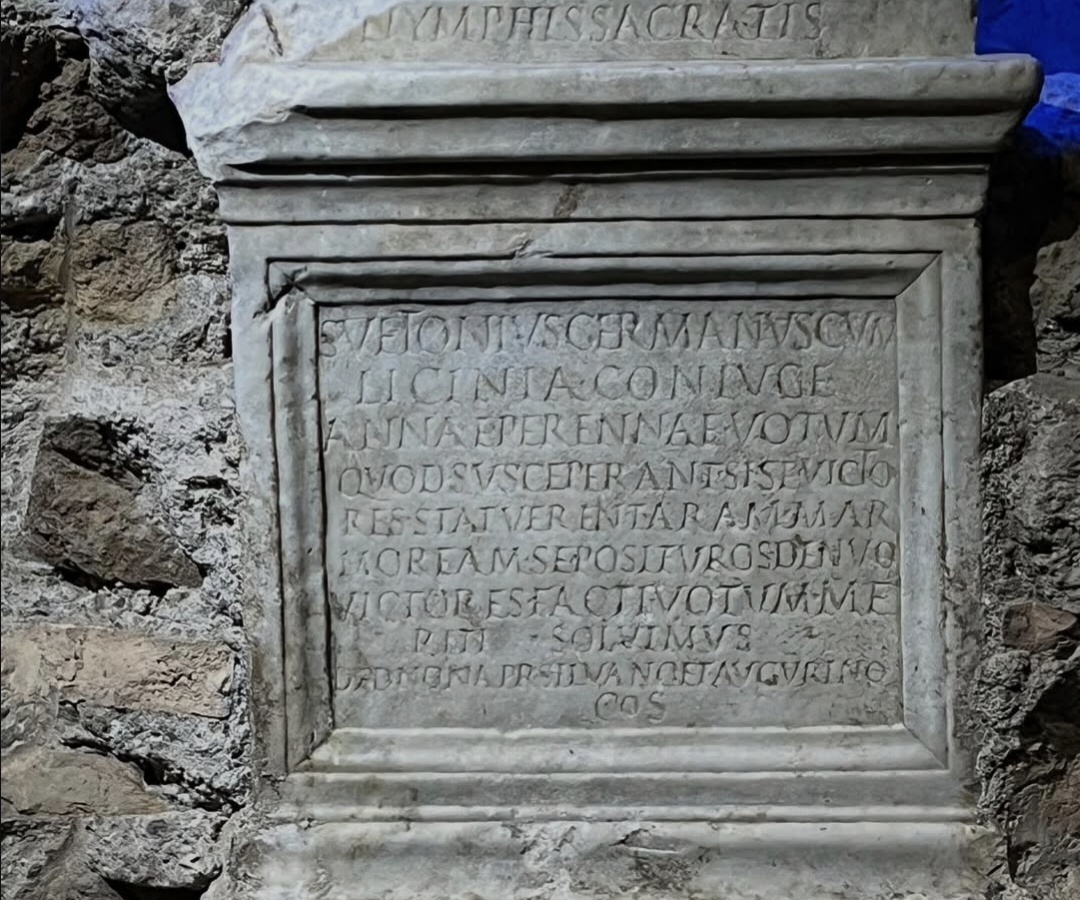
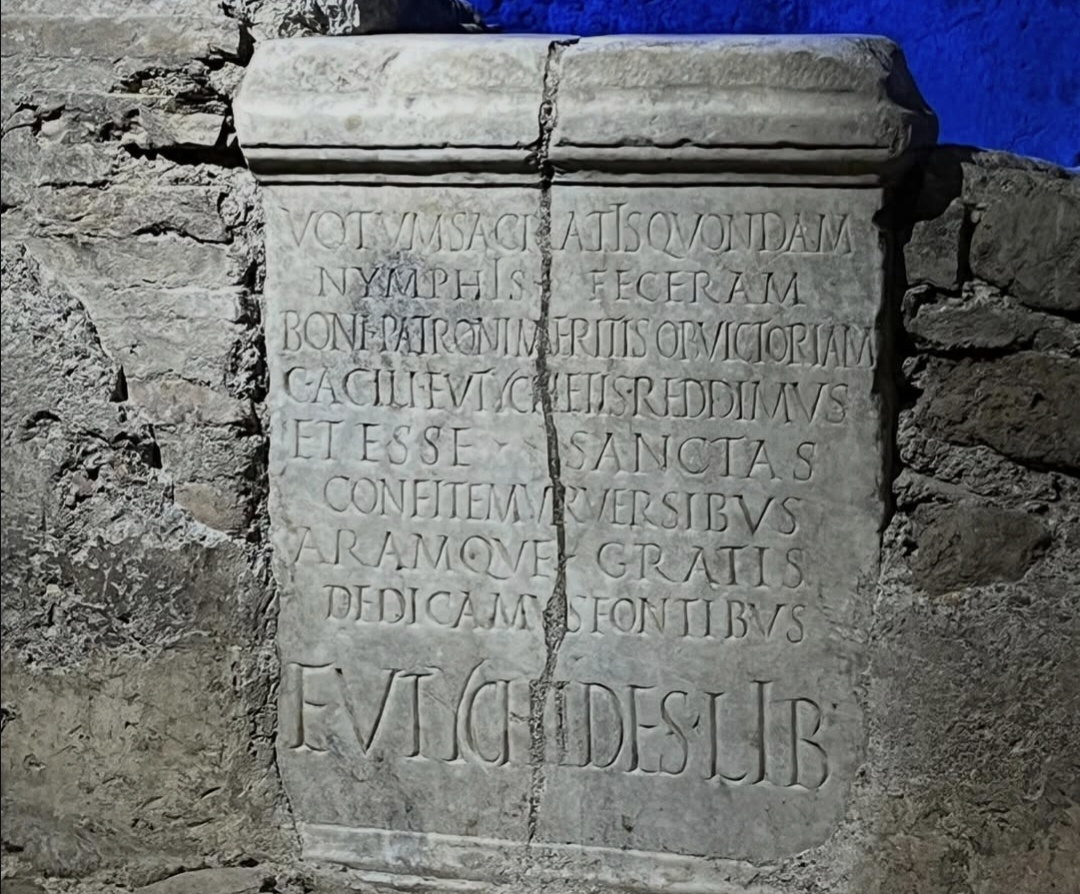
Two dedicatory elements and an altar incorporated into the masonry preserve the name of Anna Perenna, allowing the site to be connected directly with the ancient divinity.
The official archaeological record indicates a long history for the fountain, extending from antiquity into the sixth century AD.
Over that long period the relationship between water, religious practice and the people using the sanctuary changed, leaving different forms of material evidence.
The Roman year once began in March.
Anna Perenna was associated with the cycle of the year and its perpetual renewal. Her festival was celebrated on the Ides of March, 15 March, in the period associated with the old Roman New Year.
Ancient literary sources, particularly Ovid's Fasti, describe a popular celebration involving drinking, feasting and wishes for long life.
The identification of the fountain near Piazza Euclide gave this literary tradition an archaeological location.
Inscriptions bearing the name of the divinity transformed what might otherwise have remained an anonymous hydraulic structure into a documented place of cult.
The mud preserved what ritual left behind.
The most remarkable archaeological evidence came from the cistern behind the fountain.
Objects deposited there survived within the accumulated mud: lead tablets carrying curses, coins, lamps, a copper vessel and sealed lead containers holding anthropomorphic figures.
Together they provide unusually direct evidence for ritual practices that would otherwise be extremely difficult to reconstruct archaeologically.
Words, figures and containers were made into physical actions.
Among the finds were thin sheets of lead carrying written curses. Other deposits involved anthropomorphic figures placed inside specially prepared containers.
Some of those containers were sealed, creating deliberately closed assemblages before they were deposited.
The significance of the discovery lies not simply in the unusual appearance of these objects, but in their archaeological context.
Fountain, water system, inscriptions and ritual deposits were found together. That association allows the actions performed at the site to be studied as part of a functioning sanctuary.
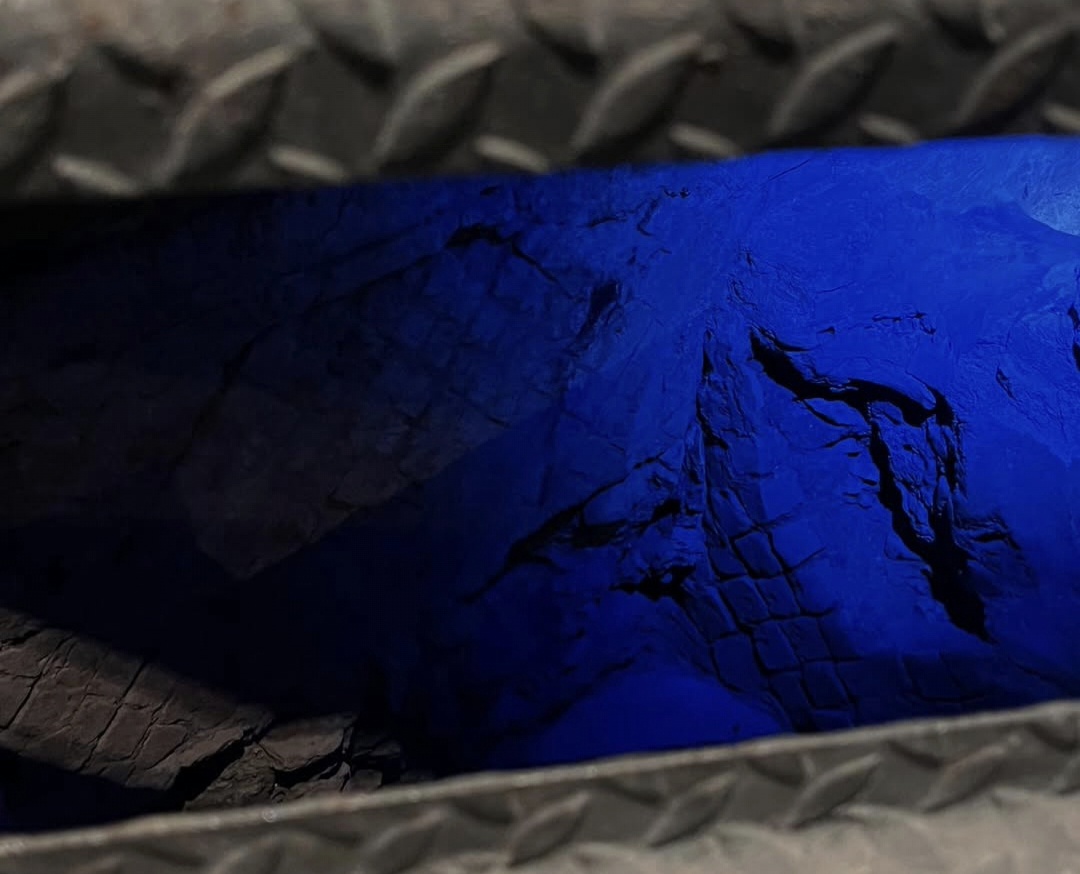
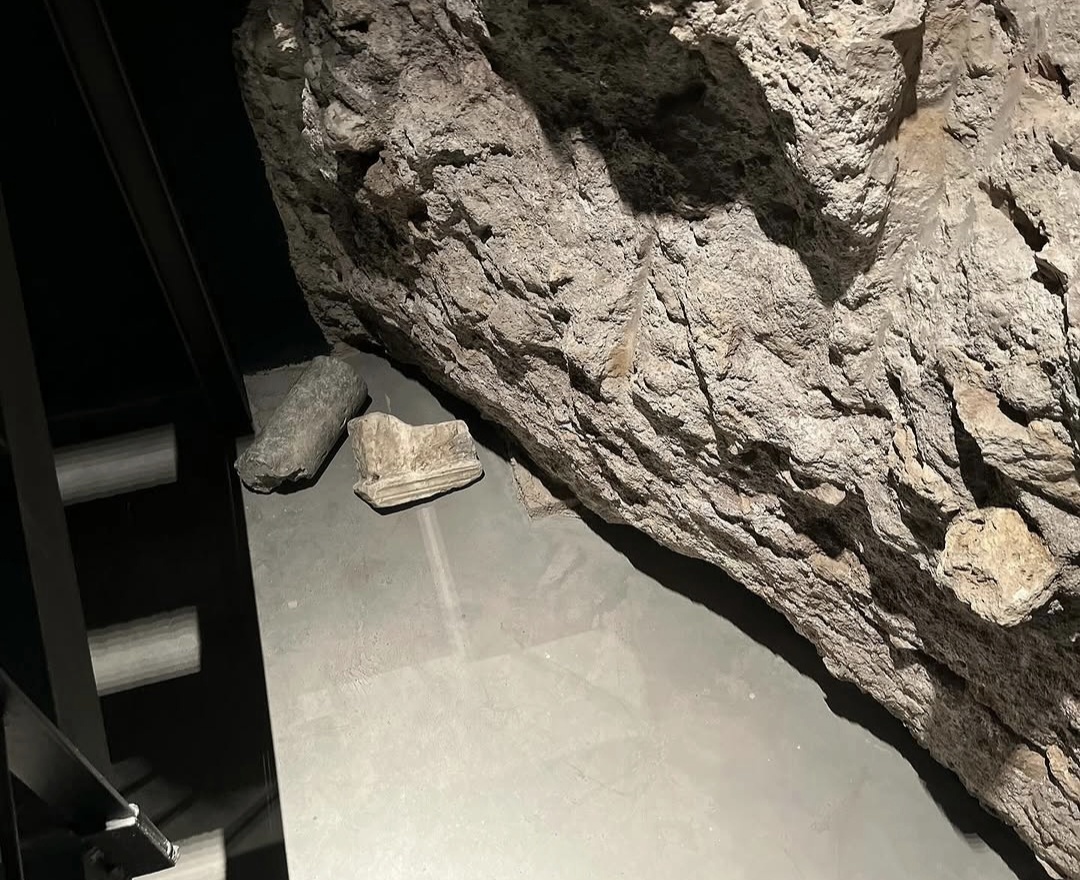
Here, archaeology preserves not only a sanctuary, but traces of individual ritual acts.
Written curses, figurines, containers, lamps and coins survive because they were deposited within the hydraulic system of the ancient fountain.
The sanctuary now lies deep below a completely different city.
Today the archaeological remains are located between roughly six and ten metres below the surrounding modern streets.
That depth should not be interpreted as evidence that the fountain was originally conceived as a deep subterranean sanctuary.
The modern relationship between street and archaeology is the result of the long physical transformation of this part of Rome: construction, earth movement and changes in ground level altered the landscape around the ancient source.
Anna Perenna therefore provides an unusually clear example of the difference between an ancient site's original setting and its present archaeological depth.
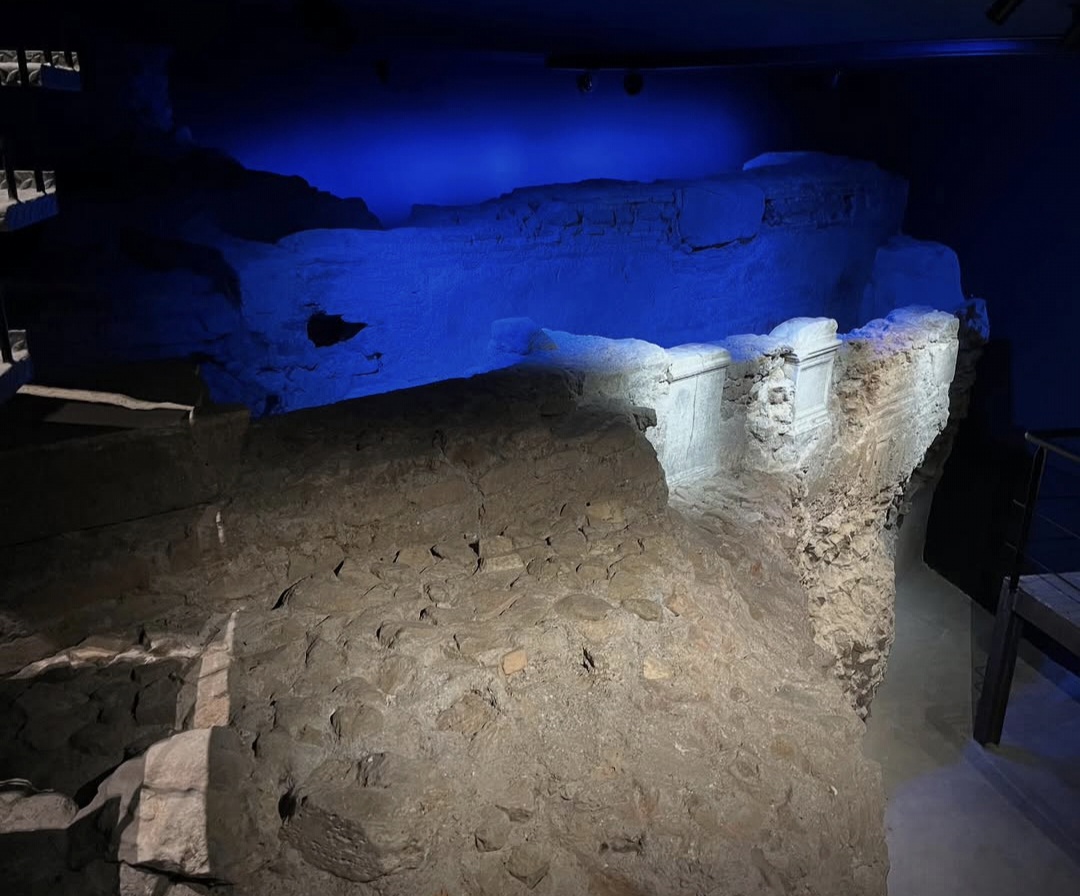
The objects and the place now tell different parts of the same story.
The archaeological structures remain at Piazza Euclide, while many of the objects recovered from the fountain and cistern are preserved by the Museo Nazionale Romano at the Baths of Diocletian.
Understanding Anna Perenna therefore requires connecting two forms of evidence: the physical sanctuary where rituals took place and the portable objects that document individual acts performed there.
A site reached through special openings.
The Fountain of Anna Perenna is not currently operated as an archaeological site with continuous daily admission.
The Soprintendenza Speciale di Roma opens the site on selected dates and for special events, generally with controlled admission and, depending on the programme, advance reservation.
Current official information should therefore always be checked before planning a visit.
Sources
Alessandro Tanzilli
Photography documenting the Fountain of Anna Perenna on this page is by Alessandro Tanzilli. @alessandrotanz_
Design Your Journey
Underground Rome creates private archaeological journeys selected around your interests, available access and time in the city.
Design Your Journey →Underground Rome is a specialist project by Rome Private Experience .