
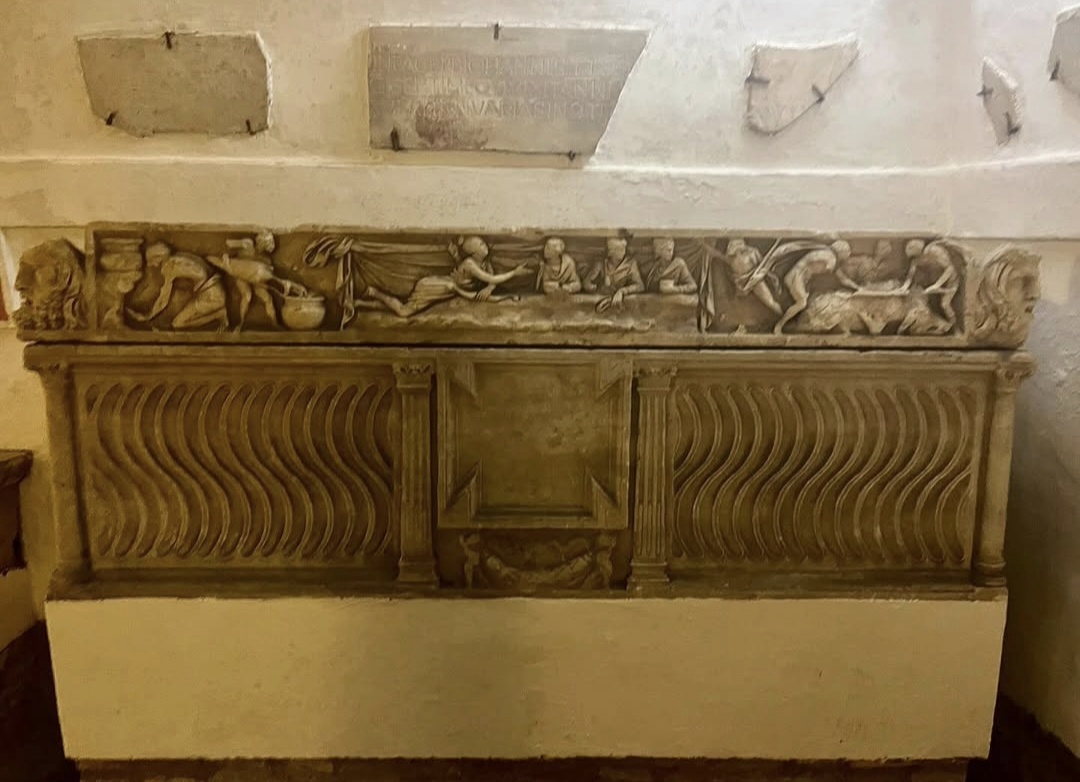
Santa Cecilia in Trastevere
The church occupies a site already built and rebuilt long before the Middle Ages.
The archaeological area at Santa Cecilia preserves a sequence extending from Roman domestic architecture to the development of one of Trastevere's historic Christian complexes.
The Benedictine Monastery identifies the earliest surviving residential phase as a domus dating to the end of the second century BC.
A later insula, dating to the first half of the second century AD, altered the organisation of the site.
Additional rooms associated with bathing, mosaic floors and hydraulic infrastructure demonstrate that this was not a single building preserved unchanged through time, but an urban property repeatedly transformed.
The earliest identified house belongs to the late Republican city.
The archaeological sequence includes the remains of a Roman domus dated to the end of the second century BC.
This phase belongs to Trastevere before the monumental Christian complex existed and before the later Imperial reorganisation of the property.
The surviving architecture should therefore not be described simply as “the house of Saint Cecilia”.
Archaeology establishes the existence and chronology of the ancient residence. The personal association with Cecilia belongs to a separate Christian tradition.
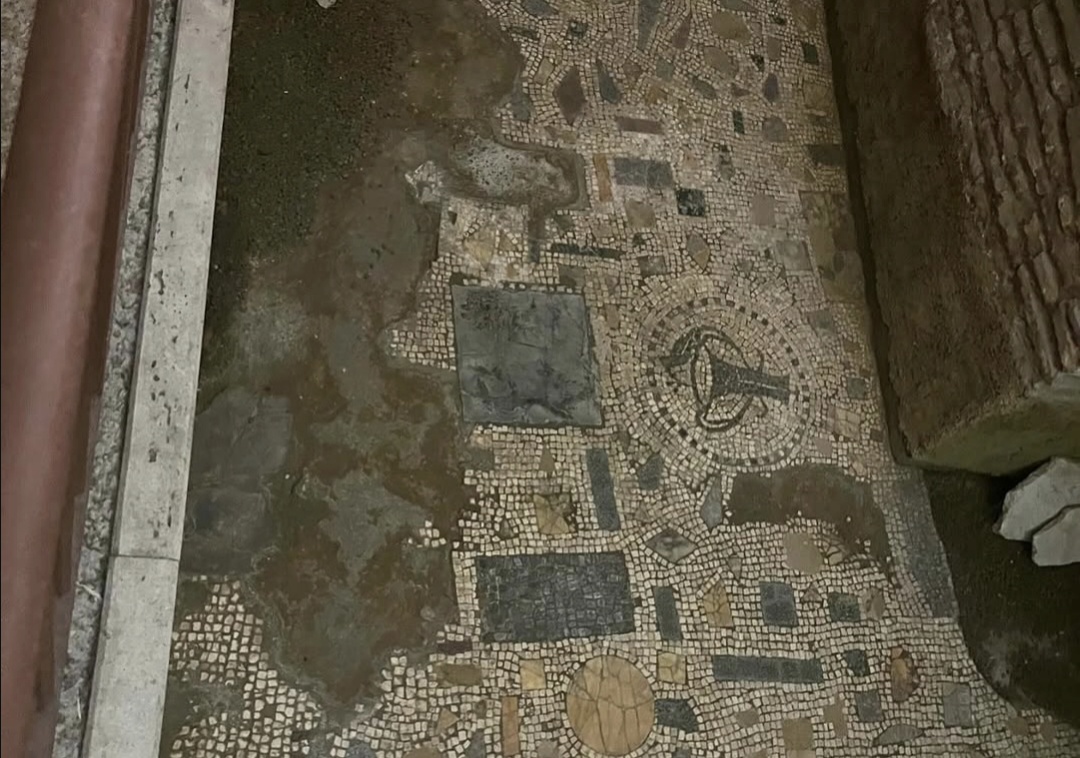
A later insula changed the organisation of the site.
During the first half of the second century AD, new construction created an insula in the same urban area.
The change represents a substantial transformation from the earlier Republican residential phase.
Domus and insula therefore belong to different moments in the physical development of the property.
Their coexistence in the present archaeological area allows the visitor to read changes in Roman domestic architecture across several centuries.
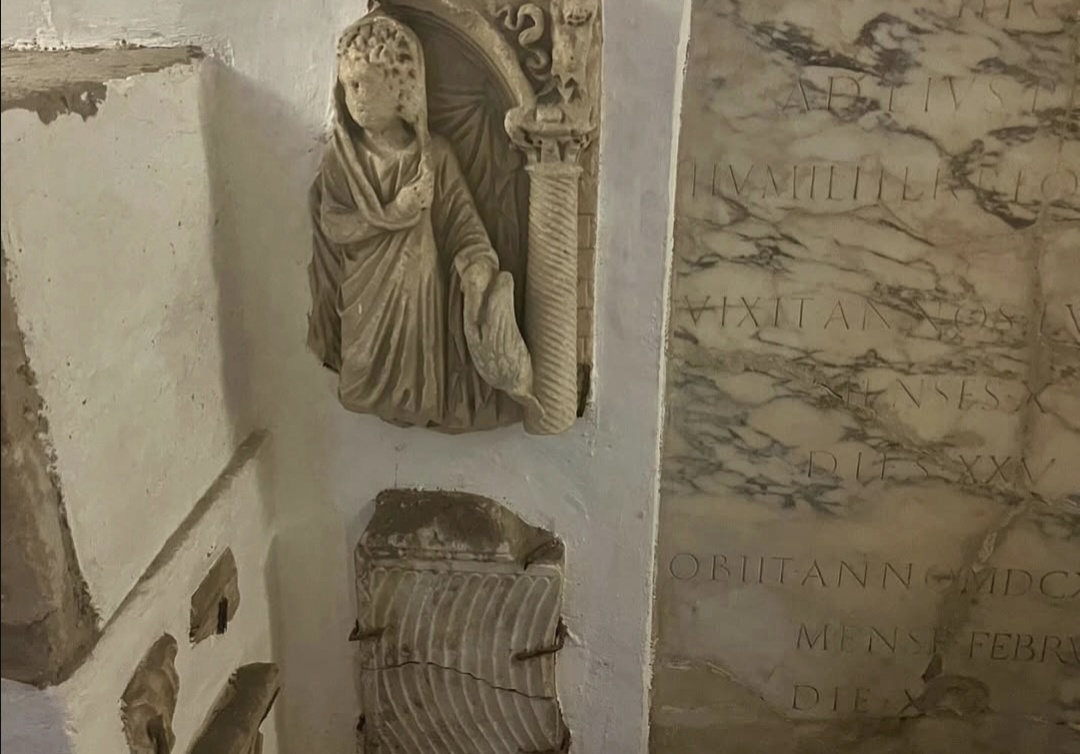
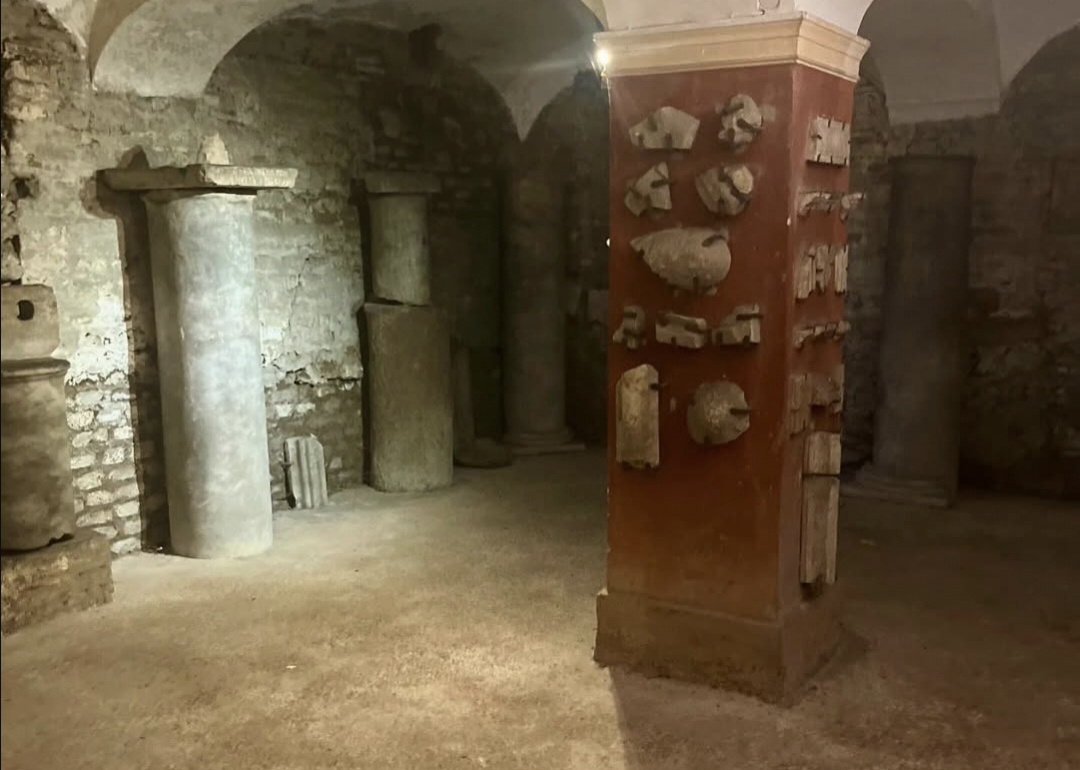
Part of the Roman complex was equipped for bathing.
Rooms within the archaeological area have been identified as belonging to a Roman thermal installation.
Their presence introduces another function into a site that already contains evidence for different forms of residential architecture.
The thermal spaces should not be extended conceptually to every surviving room: they represent one component within a much broader archaeological sequence.
Santa Cecilia is not one Roman house preserved under a church. It is an architectural sequence.
Republican residence, Imperial construction, hydraulic installations and Christian architecture occupy different phases of the same urban location.
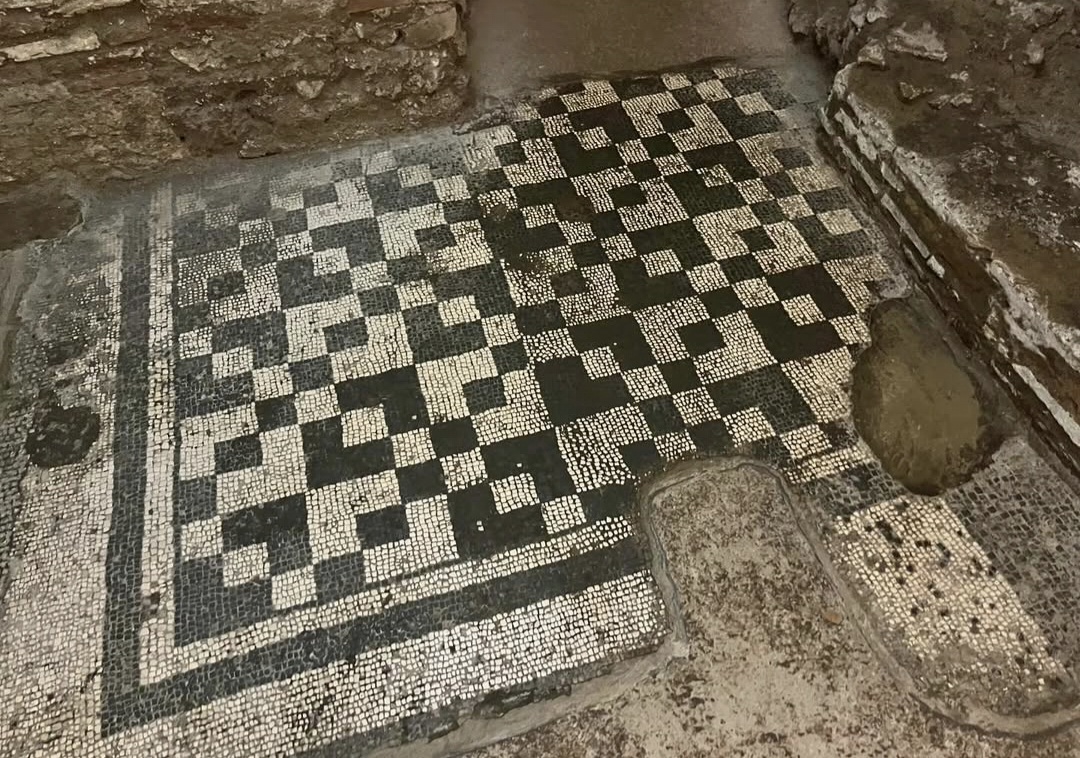
Mosaic floors preserve the level on which Roman occupants actually moved.
Black-and-white mosaic pavements survive within the excavated archaeological complex.
Floors are particularly important for reading ancient architecture because they establish former walking levels and help define the organisation of individual rooms.
Walls can survive through later rebuilding while their original spatial relationships become difficult to read. Pavements provide another fixed archaeological reference.
At Santa Cecilia they contribute to reconstructing how the Roman spaces were arranged before later construction changed the site.
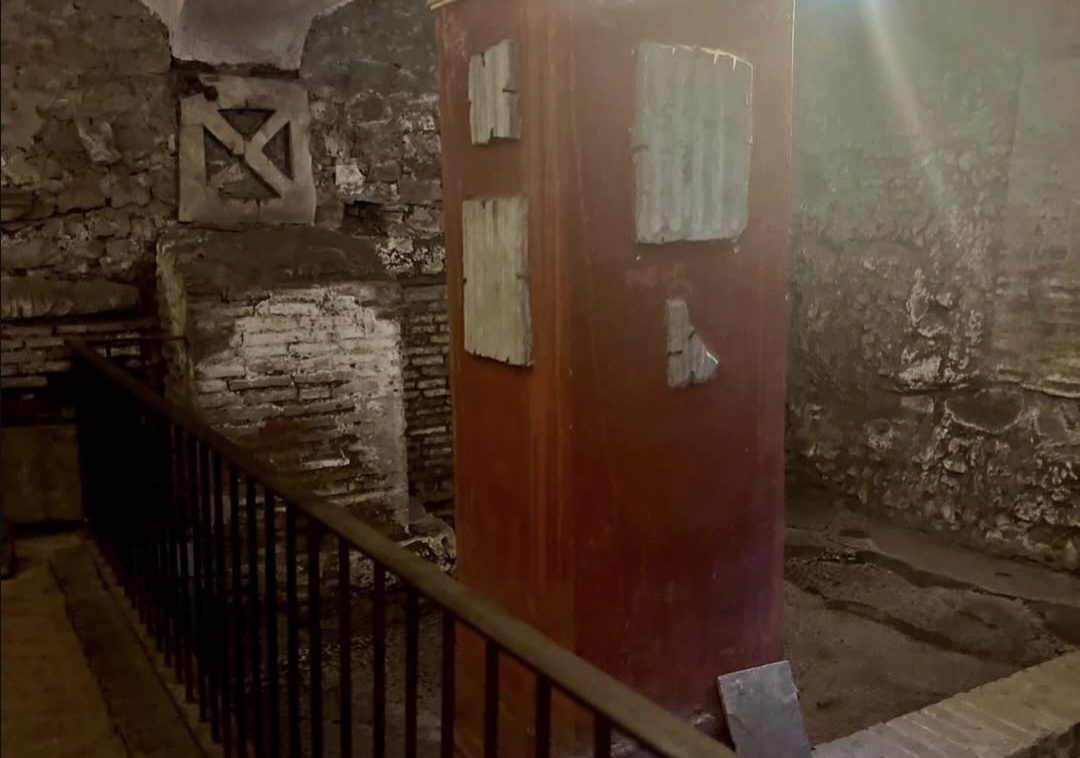
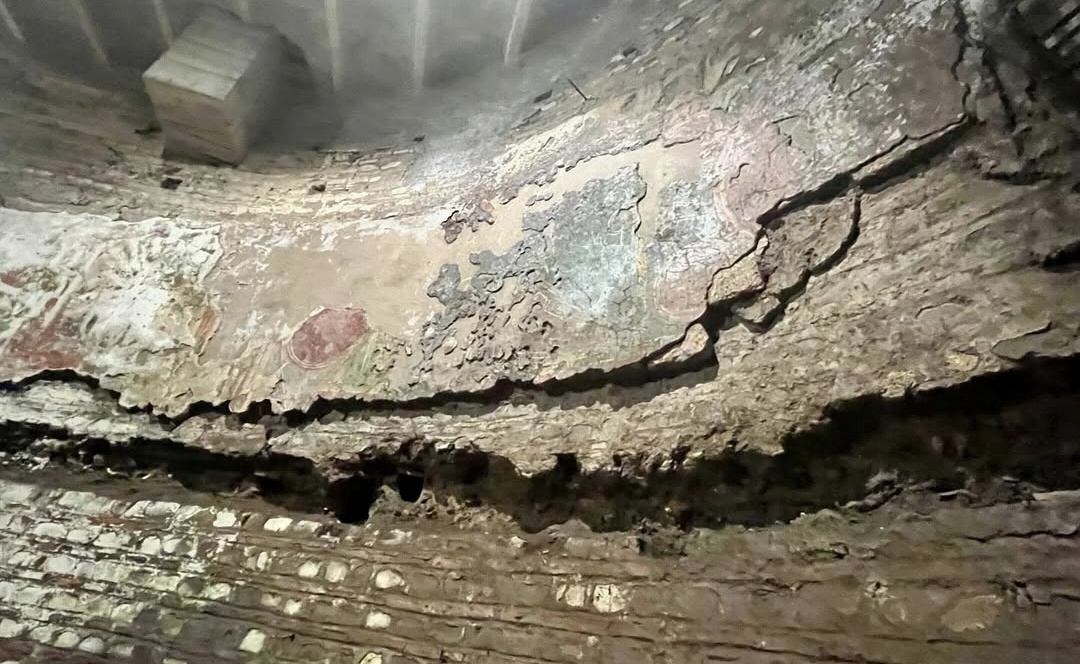
Roman architecture became part of a new religious landscape.
By the fifth century a Christian institution associated with Cecilia is documented at this location.
Later construction did not erase every earlier structure. Roman architecture instead became physically incorporated into the developing Christian complex.
A paleochristian baptistery was constructed within the ancient insula, introducing an explicitly liturgical function into the earlier architecture.
The baptistery, its hydraulic evidence and related inscription are currently excluded from the normal visitor route.
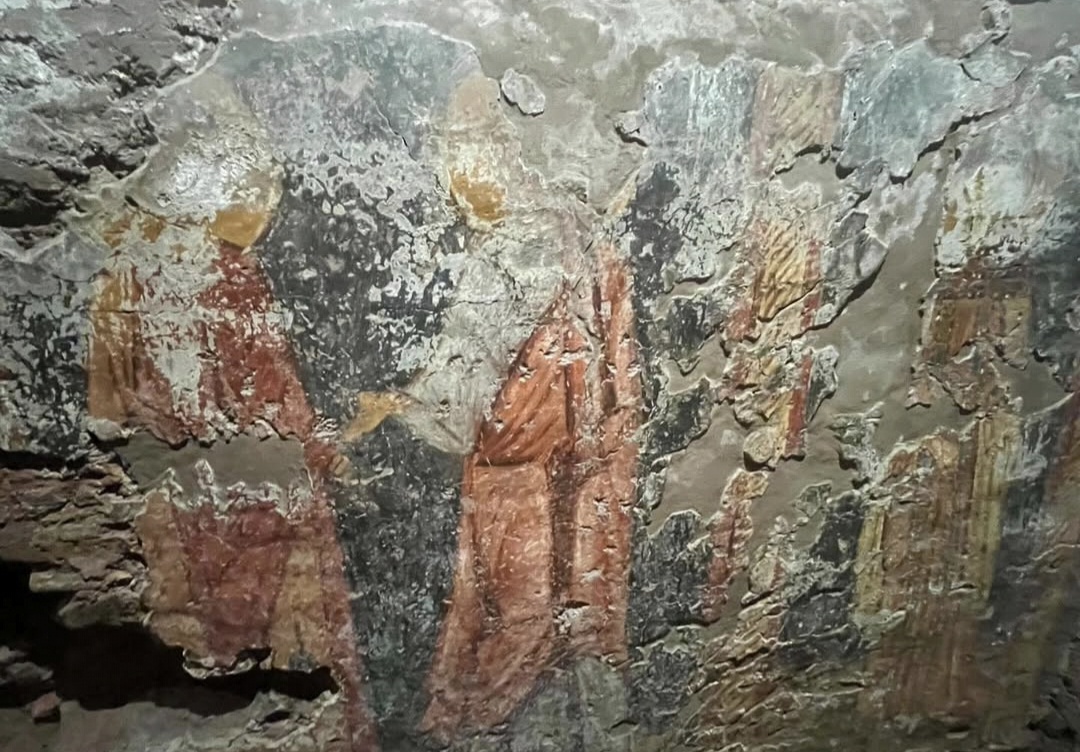
The ancient structures and the story of Cecilia are different forms of evidence.
Christian tradition associates the site with the home of Cecilia and places her martyrdom in a heated bathing space.
This tradition became fundamental to the religious identity of the basilica.
Archaeology independently demonstrates that Roman residential buildings and bathing spaces existed here.
Those physical remains do not by themselves prove that the property belonged personally to Cecilia. Keeping the two categories distinct allows both the archaeological evidence and the later tradition to be understood more clearly.
The descent continues from Roman archaeology into Christian commemoration.
The visitor route also reaches the crypt associated with Saint Cecilia and other martyrs and popes.
This space belongs to the Christian history of the site rather than to its Roman residential phase.
Its presence makes the physical sequence particularly clear: ancient domestic architecture and later sacred architecture survive at different moments of the same descent.
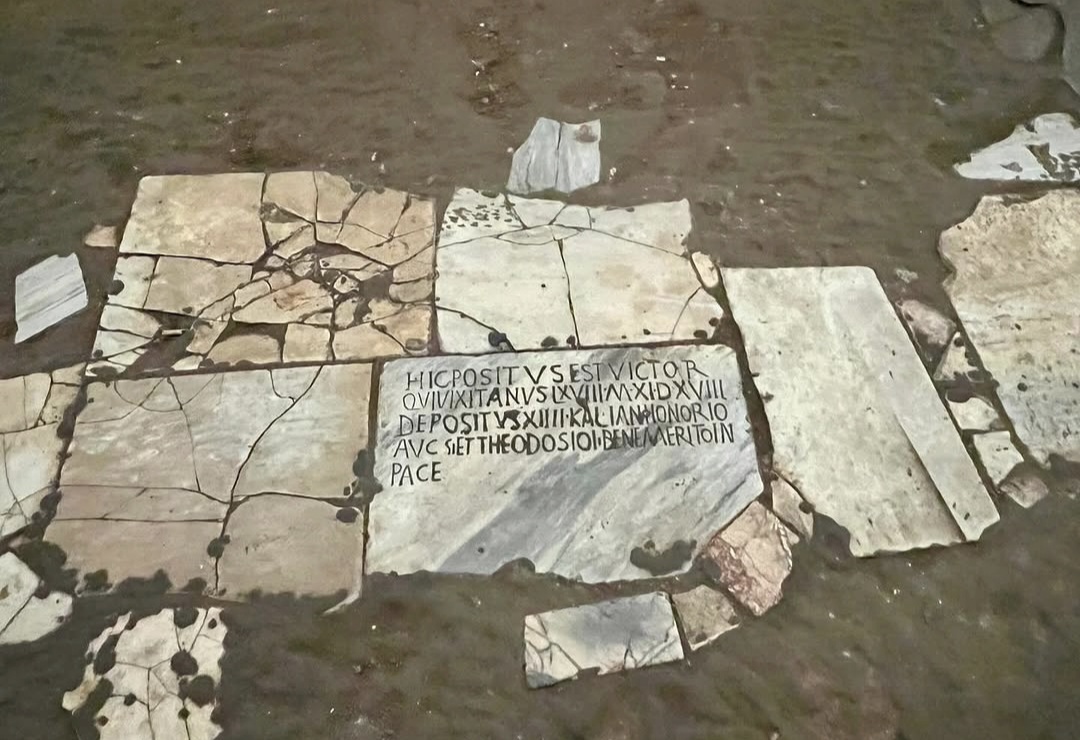
More than a millennium of construction occupies the same site.
Roman Domus
The earliest identified residential phase preserved in the archaeological area.
Imperial Insula
New construction transforms the organisation of the earlier Roman property.
Christian Reuse
Earlier architecture acquires new functions as the Christian complex develops.
Titulus Ceciliae
A Christian institution associated with Cecilia is documented at the site.
Paschal I
Pope Paschal I reconstructs the church in basilical form, establishing a major phase of the monument visible today.
Continuing Transformation
Monastic, liturgical and architectural interventions continue to reshape the complex above the earlier levels.
Ground level changed. The earlier architecture remained.
Santa Cecilia demonstrates why the archaeological level of Rome cannot be explained simply by saying that the ancient city was “buried”.
Buildings were reused, altered, incorporated and progressively surrounded by later construction.
The modern descent therefore moves through a physical history of urban transformation rather than into one isolated moment of the Roman past.
Republican housing, Imperial construction and Christian architecture survive because successive periods continued to build on the same location.
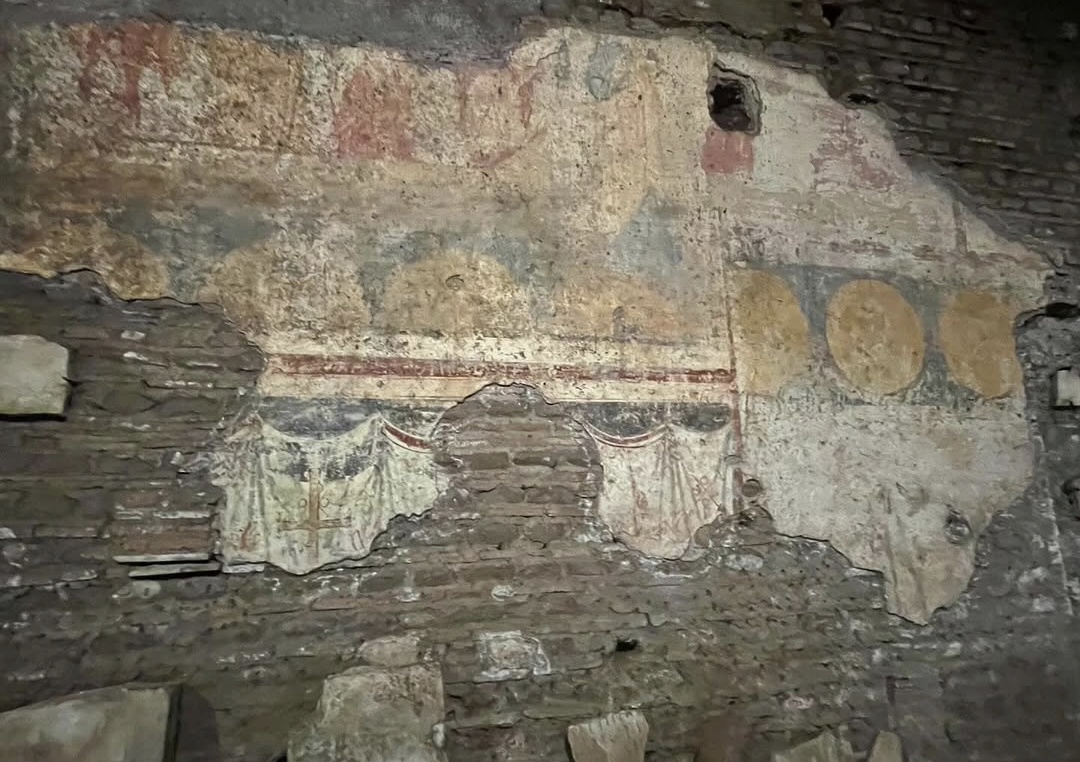
The archaeological area and crypt are currently visitable.
Santa Cecilia remains an active religious and monastic complex, so visitor arrangements can change.
The Benedictine Monastery currently allows access to the archaeological area during the published visiting hours and also organises guided visits on selected dates.
The paleochristian baptistery and associated hydraulic and epigraphic evidence are currently not included in normal visitor access.
Sources
Alessandro Tanzilli
Photography documenting the archaeological area of Santa Cecilia in Trastevere on this page is by Alessandro Tanzilli. @alessandrotanz_
Design Your Journey
Underground Rome creates private archaeological journeys selected around your interests, available access and time in the city.
Design Your Journey →Underground Rome is a specialist project by Rome Private Experience .