What Lies Beneath the Streets of Rome?
Below the present city are streets that once carried traffic, rooms that once opened onto daylight, foundations, water systems, quarries and spaces that were deliberately excavated into the ground. There is no single type of archaeology beneath Rome.
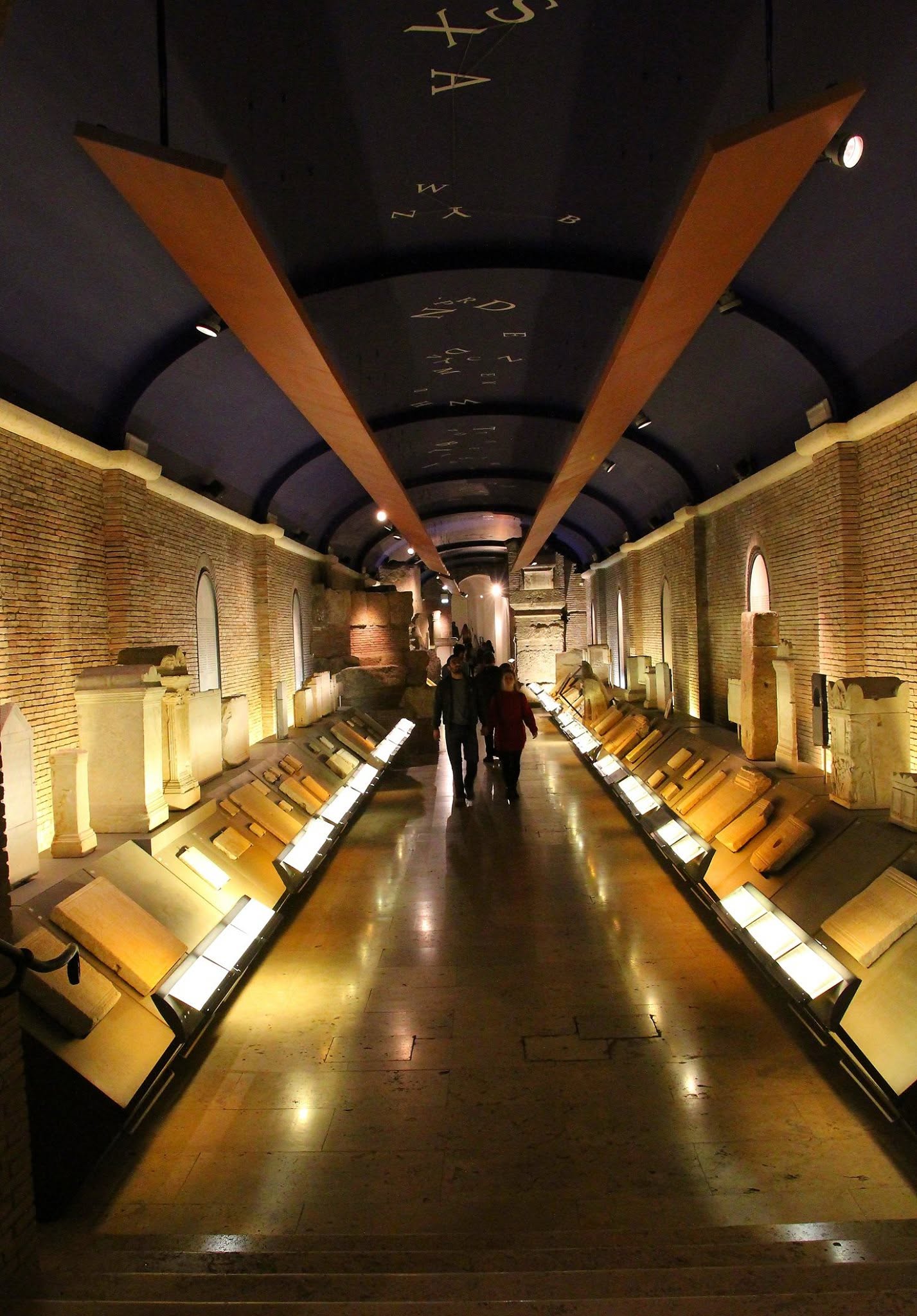 Rome · Archaeology Below Present Street Level
Almost every category of urban structure can potentially survive below the present level of a city occupied for as long as Rome.
Earlier streets and pavements can remain below later ones. Parts of houses and apartment buildings survive after their upper structures have disappeared. Public buildings can be incorporated into later construction.
Elsewhere, what lies below was always intended to be there: cisterns, drains, channels, quarries, hypogea and other excavated spaces.
The result is not one continuous subterranean city. It is a discontinuous record produced by very different periods, functions and processes.
To understand what lies below a Roman street today, first distinguish between structures that became buried and spaces that were constructed underground.
What can actually survive below the city?
There is no single answer because Rome's subsurface contains the remains of ordinary urban life alongside purpose-built underground structures.
Sometimes what lies below was once simply outside.
One of the most useful ideas for understanding Roman archaeology is that an underground space today was not necessarily underground when it was built.
A pavement now reached by stairs may once have been at the normal exterior level. A doorway opening into an archaeological area may originally have led directly onto a street.
If the surrounding ground rises while the older construction survives, the relationship changes.
The former exterior becomes lower than the later city. What looks subterranean from a modern perspective can therefore be the surviving fragment of an earlier open-air urban landscape.
There is no complete city running beneath the modern one.
The phrase "underground Rome" can create an image of a second, continuous city preserved intact below the streets.
Archaeology does not work like that.
Survival is selective. One part of a Roman building may remain while another has vanished. A wall can continue beneath a modern property boundary. An ancient surface may survive in one excavation and be absent a short distance away.
Modern basements, utilities, foundations, roads and earlier construction have also altered the archaeological record.
What remains is therefore a fragmented physical archive rather than an intact duplicate of the city above.
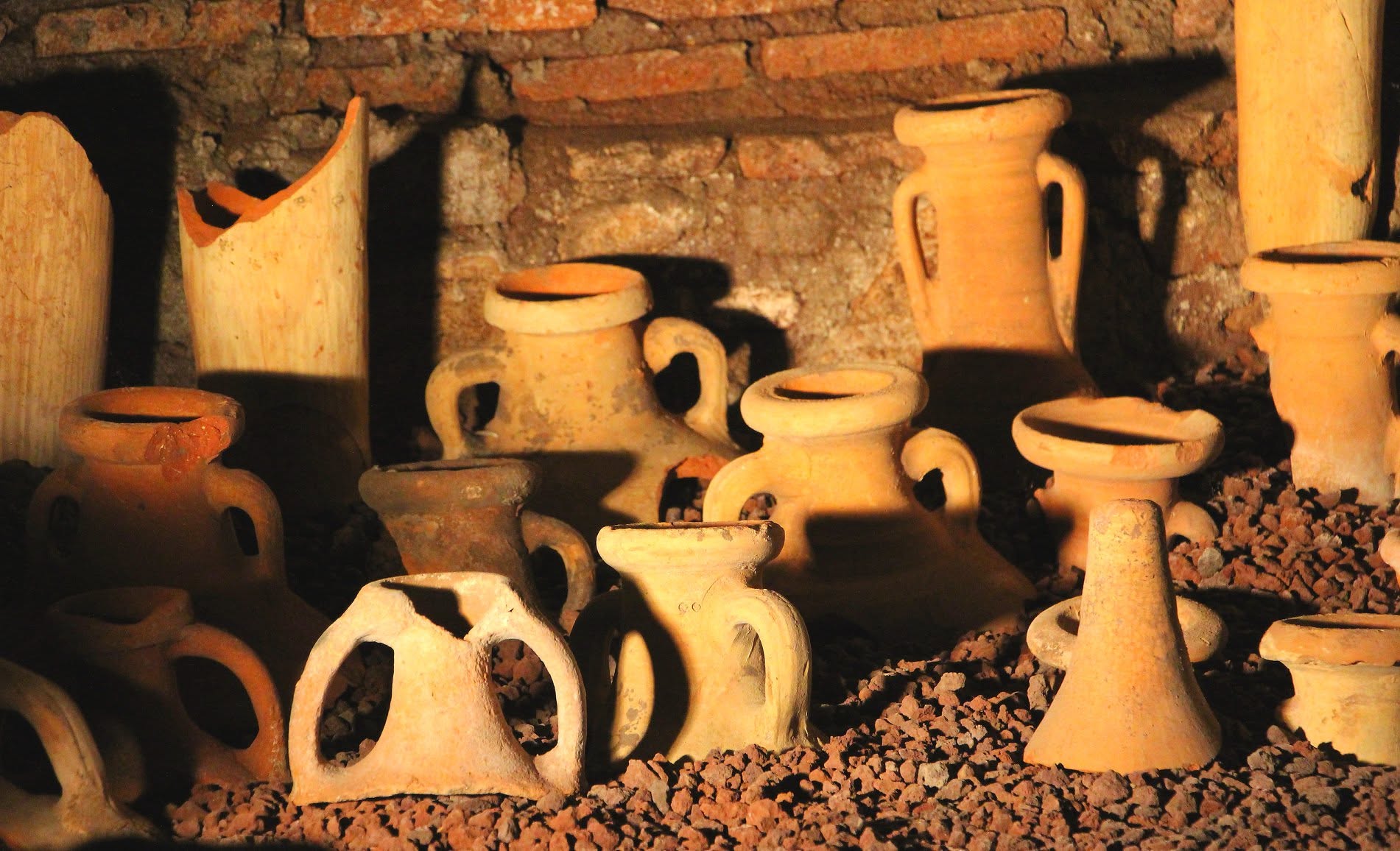 Earlier Urban Fabric · Rome
Architecture can become part of the ground.
When a building ceases to perform its original function, its physical material does not necessarily disappear.
Walls can be retained as foundations. Lower rooms can be filled. Later construction can rest directly on earlier masonry.
Over time, the older architecture becomes part of the structural terrain upon which another phase of the city develops.
This explains why excavations inside later buildings can reveal earlier walls directly beneath them and why several construction phases can occupy the same footprint.
Other spaces were always meant to exist below.
Not every cavity beneath Rome is the consequence of a rising ground level.
The geology beneath and around the city was exploited for building materials. Excavation produced quarry systems and artificial cavities.
Water management required structures whose function naturally placed them below the surface. Funerary and ritual practices could also involve intentionally excavated environments.
These spaces have a completely different origin from an ancient house or street that later became buried.
The distinction is fundamental because it separates archaeological depth created by later urban change from architecture designed around depth from the beginning.
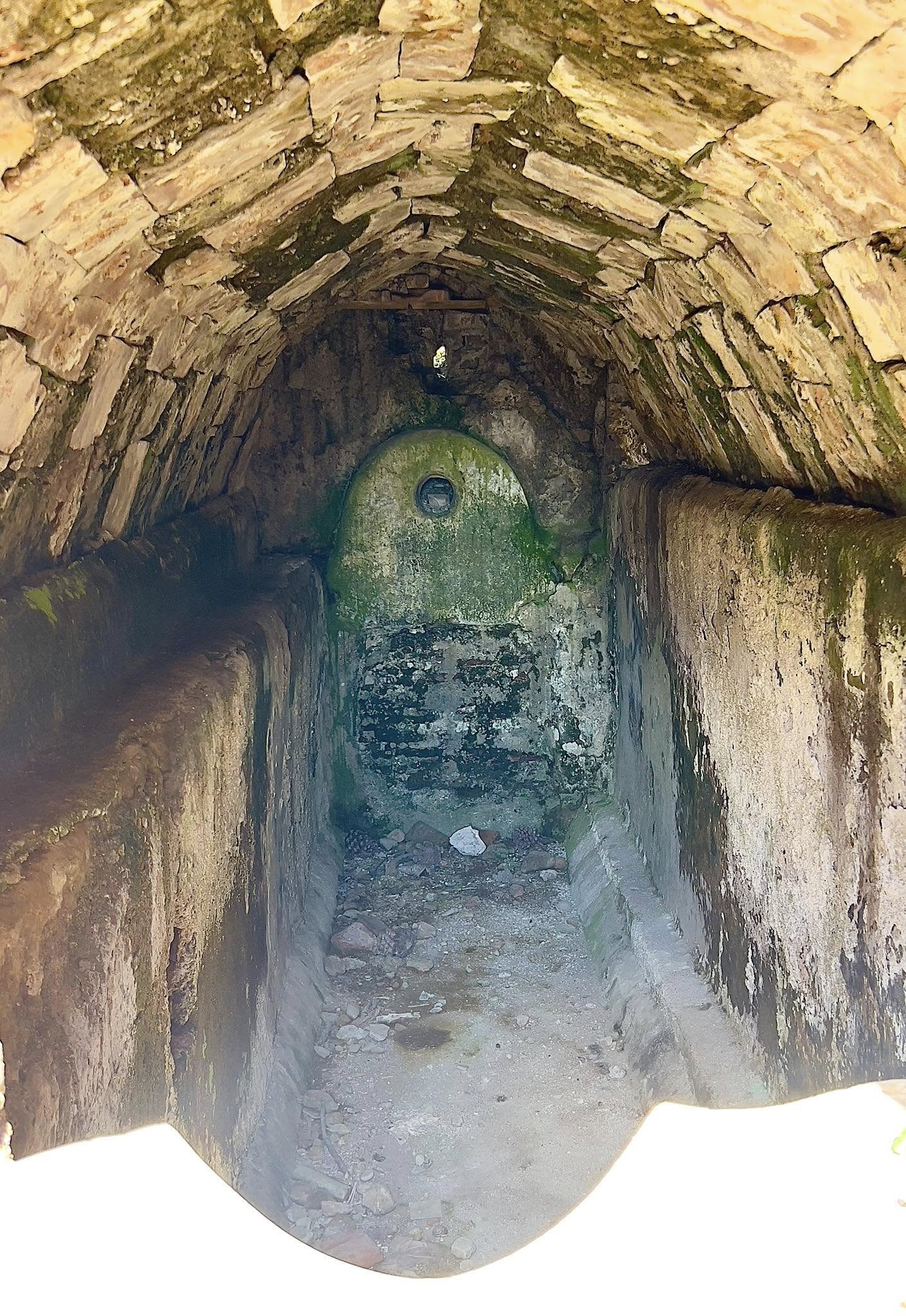 Water Infrastructure
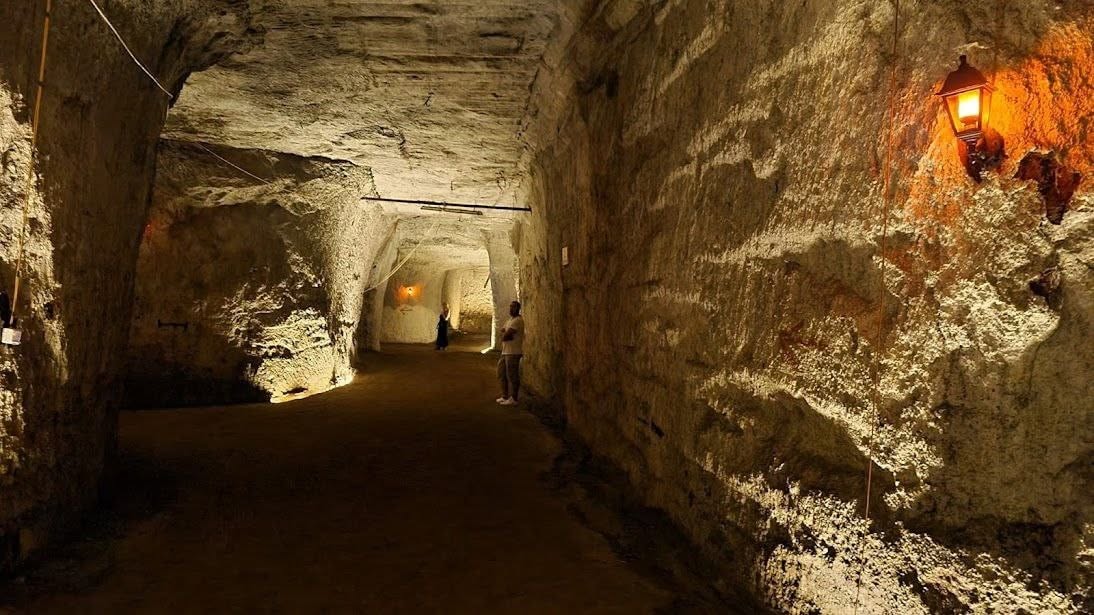 Excavated Ground
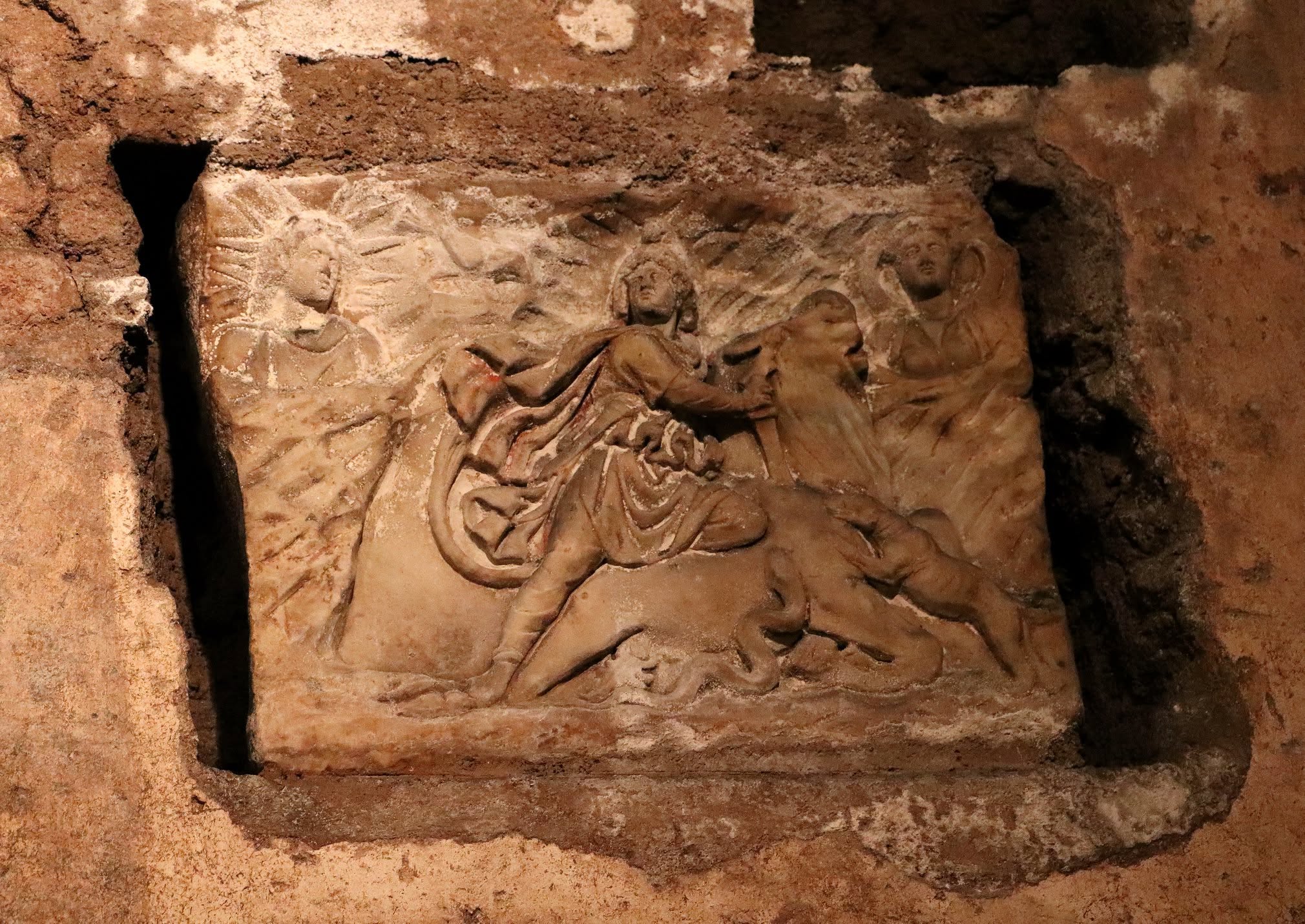 Constructed Space
The archaeological record continues beneath a working city.
Rome's subsurface is not isolated from the city that exists today.
Buildings need foundations. Streets carry utilities. Transport infrastructure crosses the urban fabric. Repairs and construction continually encounter earlier material.
This makes urban archaeology fundamentally different from excavating an abandoned settlement in open countryside.
Archaeological remains may continue beneath occupied buildings, roads or areas that cannot simply be opened for investigation.
What is known below Rome is therefore partly determined by where excavation, restoration or construction has made observation possible.
Modern infrastructure can expose earlier urban fabric.
Major infrastructure projects create unusual opportunities to investigate parts of Rome that would otherwise remain inaccessible.
Excavation for transport infrastructure can cut through sequences produced by centuries of urban occupation.
The relationship is complex: archaeology has to be investigated while a contemporary city continues to function and while new infrastructure is being constructed.
This makes modern engineering one of the contexts in which new information about Rome's subsurface continues to emerge.
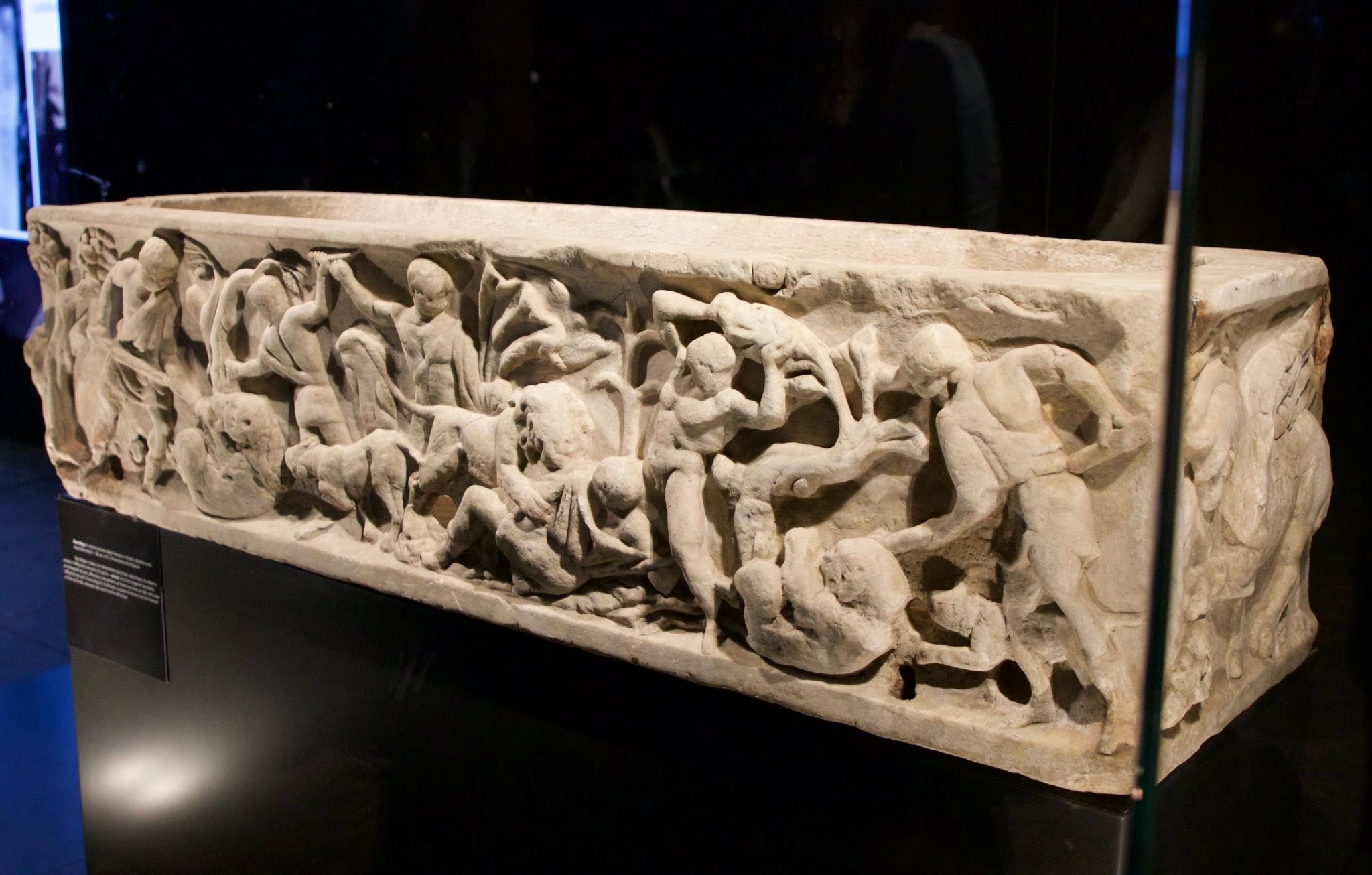 Metro C · Archaeology and Infrastructure
Below a Roman street, you may find another street. Or a room. A cistern. A quarry. A foundation. There is no single Rome below.
The material beneath the city comes from different periods and was created for different reasons.
Some structures descended below the modern surface because the city changed around them. Others were excavated underground from the beginning.
Understanding that difference transforms the subsurface from an undefined mass of ruins into something more useful: a record of how Rome occupied, modified and reused its terrain.
The street is only the present surface.
Below it, surviving structures record earlier ways of building, moving, supplying, inhabiting and reshaping Rome.
Return to Field Notes →Plan a private visit
Explore this subject through a private archaeological journey.
Tell us which place or question interests you and when you will be in Rome. We will check current access for your dates and, if needed, suggest a suitable alternative. Sending a request is not a confirmed booking.
Request a private archaeological journey →